
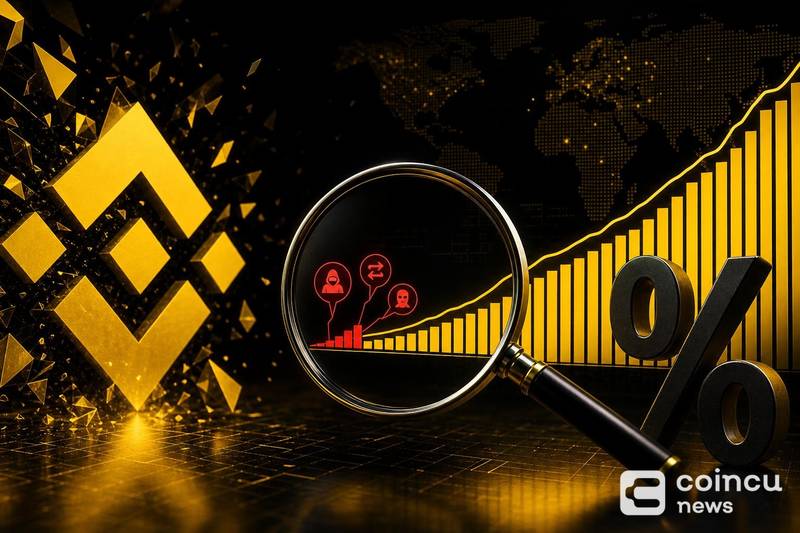

Binance Research has published a report stating that illicit crypto trading accounts for less than 1% of total market volume, a figure the exchange’s research arm frames as a share of overall cryptocurrency activity rather than an isolated incident count.
The claim appears in a Binance Research publication titled “Crypto Data Tools: What You Need to Know,” which examines how blockchain analytics platforms track and classify illicit transactions across the digital asset ecosystem. The report positions the less than 1% figure within the context of total crypto trading volume globally.
By expressing illicit activity as a percentage of total volume, Binance Research draws attention to the scale of legitimate trading relative to bad actors. The framing matters because public perception of crypto markets is often shaped by high-profile hacks, scams, and enforcement actions that can overshadow the broader picture of normal market activity.
Why a Sub-1% Figure Shapes Market Perception
A low illicit-volume share can influence how institutional investors, retail traders, and policymakers assess the risk profile of cryptocurrency markets. For an industry still working to establish trust with traditional finance, data points like this one carry weight in adoption debates.
The statistic intersects with ongoing discussions about transparency and the maturity of the digital asset sector. Exchanges like Binance have faced regulatory scrutiny globally, and research output from exchange-affiliated teams is often interpreted through that lens. Efforts such as Binance Research’s analysis publications aim to provide data-driven framing for these debates.
For traders monitoring market legitimacy, reports on illicit volume share sit alongside developments like institutional custody growth and new wallet infrastructure funding as signals of an evolving ecosystem.
What the Data Does Not Prove
Estimates of illicit trading volume depend heavily on labeling methods, monitoring coverage, and classification standards used by blockchain analytics firms. Different providers can reach different conclusions depending on how they define “illicit” and which transactions they can observe.

A small percentage of total volume can still represent significant absolute dollar amounts. Global crypto trading volume routinely reaches tens of billions of dollars daily, meaning even a fraction of a percent translates to substantial sums in raw terms.
The report originates from Binance’s own research division, which creates an inherent conflict of interest that readers should weigh. Independent blockchain analytics firms such as Chainalysis and Elliptic publish their own estimates, and cross-referencing multiple sources provides a more complete picture.
Additionally, illicit activity that occurs through privacy-focused tools or off-chain channels may not appear in on-chain analytics at all. The less than 1% figure reflects what current monitoring tools can detect and classify, not necessarily the full scope of criminal use.
Implications for Exchange Compliance and Regulation
Reports framing illicit activity as a small share of total volume are frequently cited in regulatory discussions. Exchanges use such data to argue that existing compliance frameworks, including know-your-customer and anti-money-laundering protocols, are effective at limiting criminal exploitation of trading platforms.
Regulators, however, tend to focus on absolute figures and specific enforcement outcomes rather than percentage shares. A sub-1% illicit share does not eliminate the need for ongoing monitoring, stronger compliance standards, or cross-border cooperation on financial crime, topics that remain central to industry discussions at global summits.
The policy relevance of this data point is strongest when paired with concrete enforcement progress and verifiable improvements in market integrity controls, not as a standalone defense of the industry’s track record.
FAQ
What counts as illicit crypto trading?
Illicit trading typically includes transactions linked to scams, ransomware, darknet markets, sanctions evasion, and stolen funds. The exact scope depends on the classification standards used by the analytics provider measuring it.
Does less than 1% mean crypto crime is negligible?
Not necessarily. A small percentage of a multi-trillion-dollar market can still represent billions in illicit flows. The percentage provides context about relative scale but does not diminish the impact on individual victims or the need for enforcement.
Why does it matter that Binance Research published this figure?
Binance is the world’s largest crypto exchange by trading volume. Research from its own division carries influence in policy debates, but readers should note the source has a commercial interest in framing crypto markets favorably. Independent verification from third-party analytics firms adds credibility to the claim.
Disclaimer: This article is for informational purposes only and does not constitute financial or investment advice. Cryptocurrency and digital asset markets carry significant risk. Always do your own research before making decisions.

