
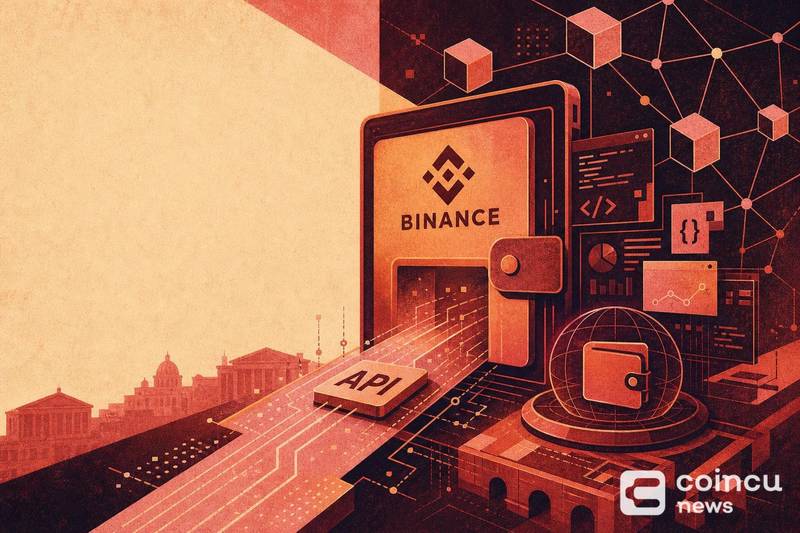
Binance Wallet has launched a Web3 API designed to give developers direct access to on-chain transaction data and market data, expanding the platform’s role from a consumer wallet product into developer infrastructure.
The API, documented on Binance’s Web3 developer portal, targets builders looking to integrate blockchain data into their applications rather than retail end users navigating the wallet interface.
By opening access to both transaction-level and market-level data through a single developer product, Binance Wallet is positioning itself as a data layer for Web3 development, not just a tool for holding and sending tokens.

What on-chain transaction access unlocks for developers
On-chain transaction data refers to the record of token transfers, smart contract interactions, and wallet activity recorded permanently on a blockchain. For developers, programmatic access to this data is foundational.
Wallet trackers, portfolio dashboards, compliance monitoring tools, and analytics platforms all depend on reliable transaction data feeds. Without an API, builders typically must run their own blockchain nodes or stitch together multiple third-party indexing services.
A unified API from Binance Wallet could reduce that integration burden. Developers building on BNB Chain or working with Binance-linked wallets would have a direct path to query transaction histories, monitor wallet activity, and surface on-chain events within their own products.
The practical value depends on the specific endpoints, rate limits, and chain coverage the API provides. Binance’s developer documentation outlines the scope of access available, though adoption will ultimately hinge on how the API compares to established alternatives like Alchemy, Moralis, and QuickNode in terms of reliability and data depth.

Why bundling market data matters
Transaction data alone tells developers what moved on-chain. Market data adds the pricing context needed to make that information actionable, including token valuations, trading volumes, and asset metadata.
Combining both data types in a single API means a developer building a portfolio tracker, for example, does not need to call one service for wallet balances and a separate service for current prices. A single integration can power both the “what happened” and the “what is it worth” layers of a product.
This bundled approach is relevant as Web3 applications increasingly need to display real-time valuations alongside on-chain activity. Trading bots, tax reporting tools, and DeFi dashboards all require synchronized access to both transaction records and market pricing. Binance, as one of the largest exchanges by trading volume tracked on platforms like CoinGecko, has native access to deep market data that could give its API a structural advantage in this area.
How this fits Binance Wallet’s broader strategy
Developer tooling is a proven path to ecosystem stickiness. When builders integrate an API into their stack, switching costs rise with every product that depends on that data feed. Binance Wallet’s move into developer infrastructure follows a pattern seen across Web3, where wallet providers expand from consumer-facing products into platform-level services.
The launch also ties Binance Wallet to a different part of the value chain. Rather than competing solely on custody features or swap interfaces, the wallet now offers a reason for developers to build on top of it. This could drive integrations that keep users within the Binance ecosystem even when using third-party applications.
The timing aligns with broader industry activity around exchange infrastructure. Binance has separately been adjusting leverage and margin tiers for its perpetual contracts, signaling continued investment across its product suite. Meanwhile, the broader market has seen sustained interest in institutional crypto products, with Bitcoin spot ETFs recording consistent inflows and XRP spot ETFs attracting daily net inflows as well.
Whether the Web3 API gains meaningful developer adoption will depend on execution: documentation quality, uptime guarantees, chain support breadth, and competitive pricing relative to established infrastructure providers. The announcement marks an entry point, not a finished position.
FAQ
What is Binance Wallet’s Web3 API?
It is a developer-facing interface that provides programmatic access to on-chain transaction data and market data through Binance Wallet’s infrastructure. The API is documented on Binance’s Web3 developer portal.
What data can developers access?
The API offers access to blockchain transaction records and market data, including pricing and asset information. The specific endpoints and supported chains are detailed in the official documentation.
Who is the API built for?
The API targets developers and builders creating Web3 applications, not retail wallet users. Typical use cases include portfolio trackers, analytics dashboards, monitoring tools, and DeFi integrations.
Why does this launch matter for Web3 development?
Bundling transaction and market data in a single API from a major exchange reduces integration complexity for developers. It also signals Binance Wallet’s expansion from a consumer product into developer infrastructure, adding a new competitive option alongside existing Web3 data providers.
Disclaimer: This article is for informational purposes only and does not constitute financial or investment advice. Cryptocurrency and digital asset markets carry significant risk. Always do your own research before making decisions.

