
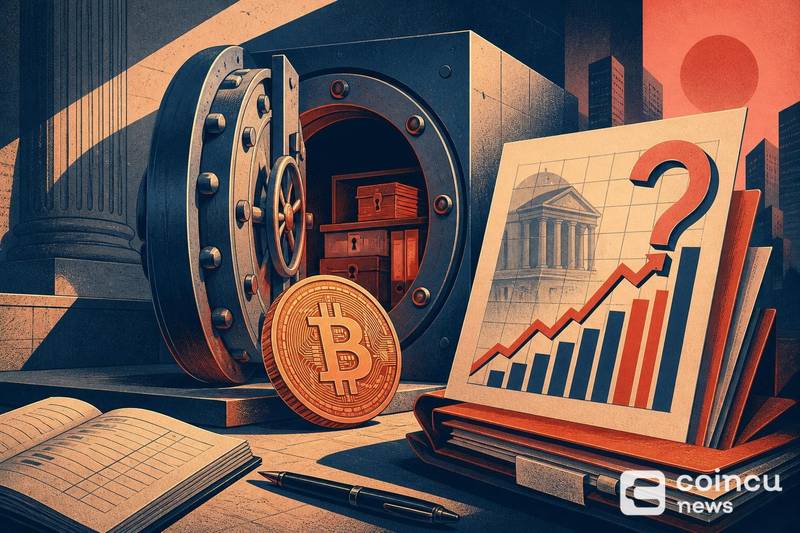

Bitcoin’s $116M self-custody wake-up call has put custody-security risk back at the center of the market conversation, after reporting tied a self-custody vulnerability to a large stash of compromised coins and raised questions about whether the fallout could push some holders toward regulated ETF wrappers.
This article narrows in on a single self-custody security incident rather than recapping the full weekly Crypto Biz roundup. The headline framing comes from a Cointelegraph Crypto Biz report that bundled the custody episode with ETF inflows and other business news.
The part of the stack under scrutiny is self-custody hardware and seed handling, not the Bitcoin protocol itself. Security engineers at Block documented a Bitcoin self-custody vulnerability, and hardware-wallet maker Coinkite issued a seed-generation warning for its Coldcard Mk3 device.

What is confirmed, and what remains unsettled in the loss estimate
The scale of the loss is not settled. Blockchain-analytics firm TRM Labs described the vulnerability as having compromised 1,816 BTC, a coin-denominated figure rather than a fixed dollar total.
Dollar estimates have moved as reporting evolved. CoinDesk framed the Coldcard episode as a “$38 million so far” exploit, a smaller and explicitly provisional number than the $116 million used in the headline framing.
Readers should treat the coin count and the USD valuation as two different things: a BTC total is fixed, while its dollar value shifts with price and the timing of each report. The internal research behind this story is only partially verified, so the largest dollar figure should not be read as a final, confirmed total.
Why a self-custody shock puts Bitcoin ETFs back into the conversation
The episode revives a familiar trade-off between control and convenience. Direct self-custody removes counterparty risk but leaves the holder responsible for hardware and seed security, exactly the layer implicated here by the Block and Coinkite disclosures cited above.

That is why the CoinDesk report explicitly linked the exploit to the possibility that it “may push investors to ETFs,” which shift custody to a regulated administrator at the cost of self-sovereignty. Institutional appetite for those wrappers is already visible: UBS recently increased its Bitcoin exposure through ETF call options, and a firm tied to Paul Tudor Jones boosted its BlackRock Bitcoin ETF stake.
ETF market commentator Eric Balchunas weighed in on the ETF angle as the story circulated. The relevant question for allocators is flows and positioning, not price direction: whether custody friction meaningfully redirects demand toward wrappers, or simply prompts tighter self-custody hygiene.
What serious Bitcoin holders and allocators should watch next
The most important variable is follow-up disclosure, because the loss figure remains a range rather than a fixed number. Watch for vendor statements from Coinkite, independent forensics on the vulnerability, and revised estimates that could move the total up or down.
Treasury managers, high-net-worth holders, and infrastructure operators may revisit custody policy in response, weighing hardware-wallet configuration against custodial and ETF options. Continued ETF-flow follow-through, of the kind already seen in institutional moves like Harvard’s steady Bitcoin ETF position in Q2, would be one signal that the incident is reshaping demand rather than just headlines.
FAQ: The three questions this Bitcoin custody shock leaves behind
Was Bitcoin itself hacked?
No. The disclosures from Block and Coinkite point to a self-custody vulnerability in hardware and seed handling, not a flaw in the Bitcoin protocol.
Does this make Bitcoin ETFs safer than self-custody?
ETFs shift custody to a regulated administrator, which CoinDesk noted may attract investors after the exploit, but they replace self-custody risk with different counterparty trade-offs rather than eliminating risk.
What should holders watch next?
Watch for vendor statements, incident forensics, and revised loss estimates. The reported total remains unsettled, ranging from the TRM Labs count of compromised coins to differing dollar figures across reports.
Disclaimer: This article is for informational purposes only and does not constitute financial or investment advice. Cryptocurrency and digital asset markets carry significant risk. Always do your own research before making decisions.

