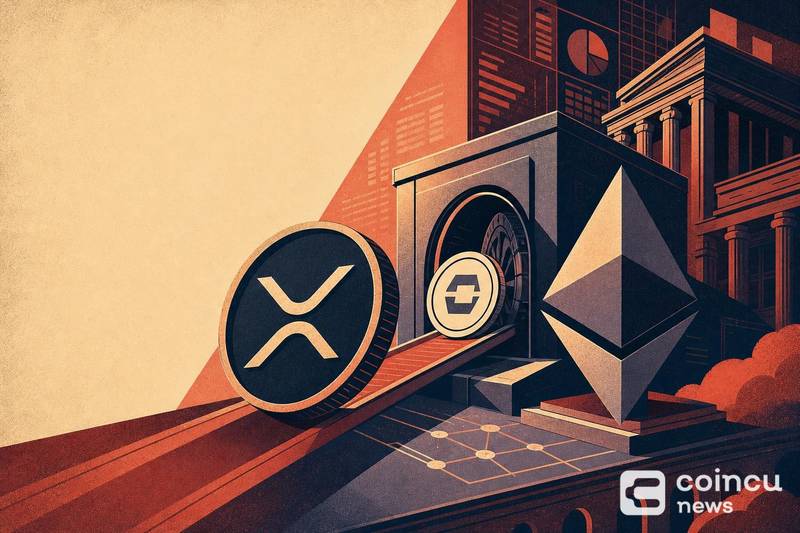

XRP holders can now borrow Ripple’s RLUSD stablecoin on Ethereum without selling their XRP, using their crypto as collateral to unlock liquidity while keeping their underlying position intact.
What the XRP-to-RLUSD borrowing route means
The mechanism lets XRP holders take out RLUSD, Ripple’s dollar-pegged stablecoin, against their crypto rather than cashing out, as reported by Decrypt. Borrowing against crypto collateral means locking an asset in a lending contract and drawing a loan against its value.
The framing is liquidity access, not asset disposal. A holder deposits collateral, receives RLUSD, and retains exposure to their original crypto position for as long as the loan stays open.

Why avoiding a sale matters
Selling XRP would reduce or eliminate a holder’s position and forfeit any future upside. Borrowing keeps that exposure in place while still producing usable dollars, which is the central appeal of the route.
How RLUSD on Ethereum fits into the process
RLUSD is the borrowed asset, and Ethereum is the network where the route operates. The setup runs through a lending vault, with FXRP live in Sentora’s RLUSD vault on Morpho, according to Sentora.
Ethereum matters here because its DeFi lending infrastructure is where these collateralized vaults are built and composable. The broader push to bring XRP into Ethereum-compatible environments is visible in the XRPL EVM sidechain launch on mainnet, which extended Ethereum tooling to the XRP Ledger.
What borrowed RLUSD can be used for
Once received, RLUSD functions as usable stablecoin liquidity for trading, payments, or repositioning capital. The distinction is that XRP-linked collateral stays locked while the RLUSD is the liquid, spendable side of the transaction.

Why some holders may prefer borrowing over selling
Borrowing can preserve upside exposure while meeting short-term liquidity needs, whereas a sale ends the position entirely. Stablecoin borrowing is commonly used to raise cash without triggering an immediate market-timing or disposal decision.
Practical motivations include hedging, rotating capital into other opportunities, or covering expenses without unwinding a long-term holding. This is not financial or tax advice, and the trade-off is that a loan carries repayment and liquidation obligations a simple sale does not.
Key risks XRP holders should understand
Crypto-backed borrowing carries collateral and liquidation risk: if the value of the pledged collateral falls, the position can be liquidated to repay the loan. That is the primary hazard for anyone using this route.
Using Ethereum also introduces smart contract risk and on-chain execution costs, including network fees. The lending vaults involved depend on collateral ratios and market conditions that can move quickly.
Borrowing terms are not fixed. Available rates, collateral requirements, and vault access can change over time, so the conditions at deposit may not hold for the life of the loan.
FAQ about borrowing RLUSD with XRP exposure
Can I get RLUSD without selling XRP? Yes. The route is built to let holders draw RLUSD against their crypto collateral rather than selling it.
Why is Ethereum used in this borrowing route? RLUSD is borrowed on Ethereum, where the lending vault infrastructure, including Sentora’s RLUSD vault on Morpho, operates.
What happens if the value of my collateral drops? The position can be liquidated to cover the outstanding loan, which is the core risk of crypto-backed borrowing.
Disclaimer: This article is for informational purposes only and does not constitute financial or investment advice. Cryptocurrency and digital asset markets carry significant risk. Always do your own research before making decisions.