
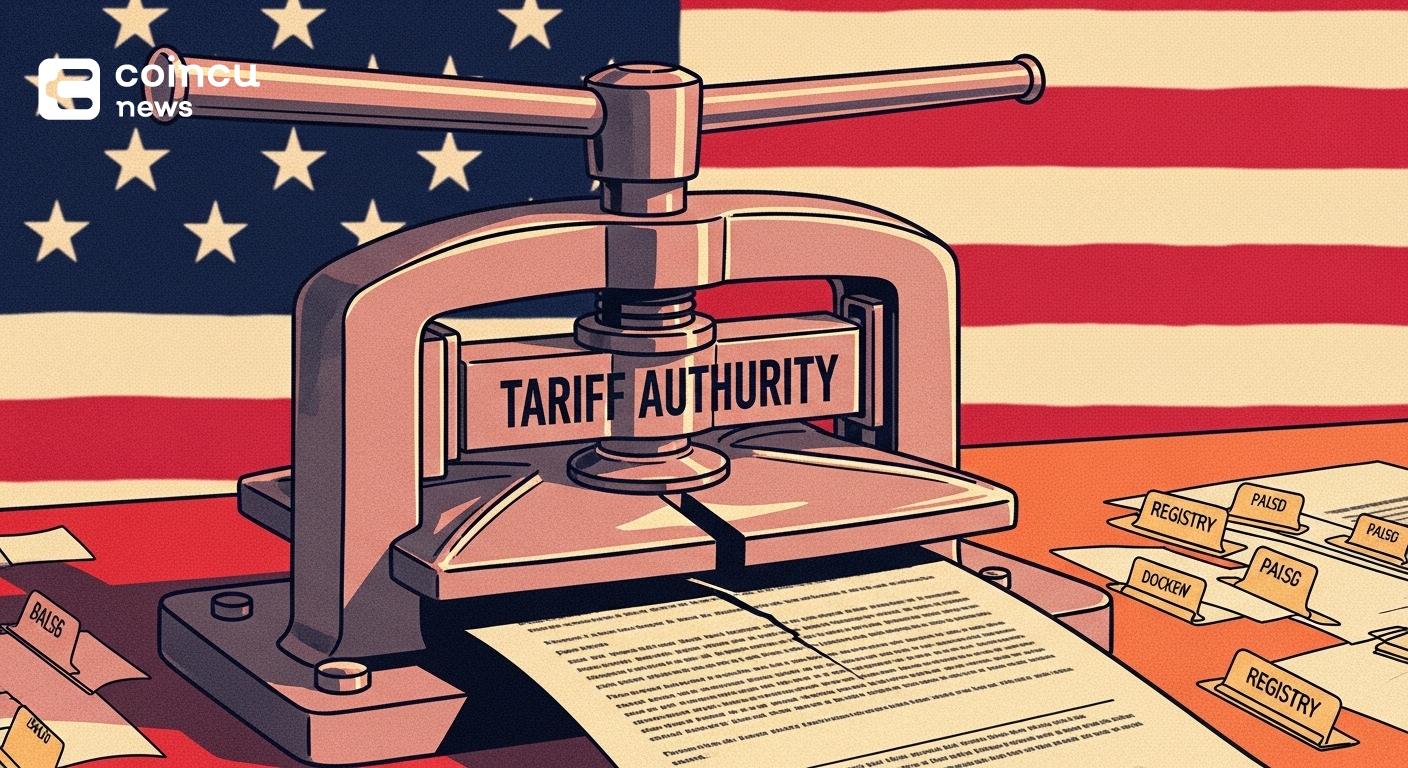

Answer: Not under IEEPA, Supreme Court limits unilateral tariffs
The president cannot impose broad new tariffs under the International Emergency Economic Powers Act (IEEPA). In Learning Resources, Inc. v. Trump, the U.S. supreme court held that emergency authorities under IEEPA do not extend to sweeping import duties.
The decision narrows emergency-based tariff claims but does not eliminate other long-standing tariff programs authorized by statute. Future disputes will likely turn on which specific trade laws the executive invokes and whether agencies meet procedural requirements.
Why it matters: Congress controls tariffs; clear laws required
Tariffs are taxes on imports, and the Constitution vests taxing authority in Congress. Under the major questions doctrine, courts expect clear statutory authorization before upholding sweeping economic measures. Recent trade cases reflect closer judicial scrutiny of delegated powers.

“The ultimate authority over tariffs” lies with Congress, said Chief Justice John Roberts, as reported by Forbes. That framing signals courts will demand explicit text before allowing across-the-board duties.
Immediate impact: Many tariffs remain; shift to Section 122
The 6–3 ruling is a notable win for congressional authority, but its reach is narrow. It leaves most existing tariffs intact and opens new fronts for litigation, according to the Council on Foreign Relations.
Policy signals point to a pivot from emergency powers to existing trade statutes. Following the decision, the White House is set to impose a 15 percent tariff via Trade Act Section 122, as reported by Al Jazeera.
Allies are already recalibrating. The European Union halted ratification of a U.S. trade agreement while seeking more detail on the new tariff approach, according to Time.

Domestic politics remain heated. Trump publicly railed against the ruling and the Court, as reported by Spectrum Local news.
Presidential tariff tools: Sections 232, 301, and 122
What each statute allows without new congressional approval
Sections 232, 301, and 122 permit targeted action without new legislation under defined triggers, according to JD Supra. Section 232 addresses national security risks; Section 301 responds to unfair trade practices after investigation; Section 122 allows temporary balance‑of‑payments measures. Each pathway is narrower than a blanket tariff and requires findings, documentation, or consultations.
Procedural limits and likely litigation focus areas
Expect challenges to center on statutory text, evidentiary records, timelines, and remedy scope. In V.O.S. Selections, Inc. v. Trump, the Court of International Trade found overreach under IEEPA, as summarized by Wikipedia. Those themes echo through appeals testing how far delegated tariff powers extend. Appellate judges have questioned large-scale IEEPA tariffs and emphasized the statute’s silence on tariffs, according to PBS.
FAQ about International Emergency Economic Powers Act (IEEPA)
What did the Supreme Court decide in Learning Resources, Inc. v. Trump?
The Supreme Court ruled 6–3 that IEEPA does not authorize sweeping tariffs and reaffirmed that broad tariff authority requires clear congressional authorization.
Does IEEPA allow the president to impose tariffs during an emergency?
No. IEEPA grants sanctions-style powers, but not import duties; presidents must use specific tariff statutes or obtain new congressional authority.
| DISCLAIMER: The information on this website is provided as general market commentary and does not constitute investment advice. We encourage you to do your own research before investing. |