- IMF report highlights stablecoins’ potential impact on emerging markets’ monetary policies and currencies.
- Report recommends legal frameworks to prevent stablecoin dominance.
- Key focus on cross-border payments and financial stability risks.
The International Monetary Fund (IMF) reports that dollar-dominated stablecoins are increasingly penetrating emerging markets, potentially undermining central banks’ control over liquidity and interest rates.
This rise, particularly notable in regions experiencing high inflation, necessitates legal measures to prevent stablecoins from gaining legal currency status, safeguarding financial stability.
IMF Highlights Stablecoins’ Influence on Emerging Economies
Stablecoins’ proliferation could lead to a shift from home currencies, significantly impacting countries with high inflation. The IMF urges nations to establish legal standards preventing these digital assets from achieving legal tender status.
Reacting to these concerns, significant emphasis is placed on strengthening regulatory frameworks. Joyston Faisal, an IMF senior economist, noted, “It’s imperative that countries fortify their financial systems to withstand potential disruptions posed by stablecoins.”
“While stablecoins can improve cross-border payments and financial inclusion, these benefits come with heightened macro-financial risks if regulation, supervision, and resolution regimes are weak.” — Christine Lagarde, Former Managing Director, International Monetary Fund
Regulatory Frameworks Urged Amid Stablecoin Concerns
Did you know? The massive influx of stablecoins into emerging markets mimics past trends where citizens gravitated towards foreign currencies during high inflation phases, exerting significant pressure on local economic policies.
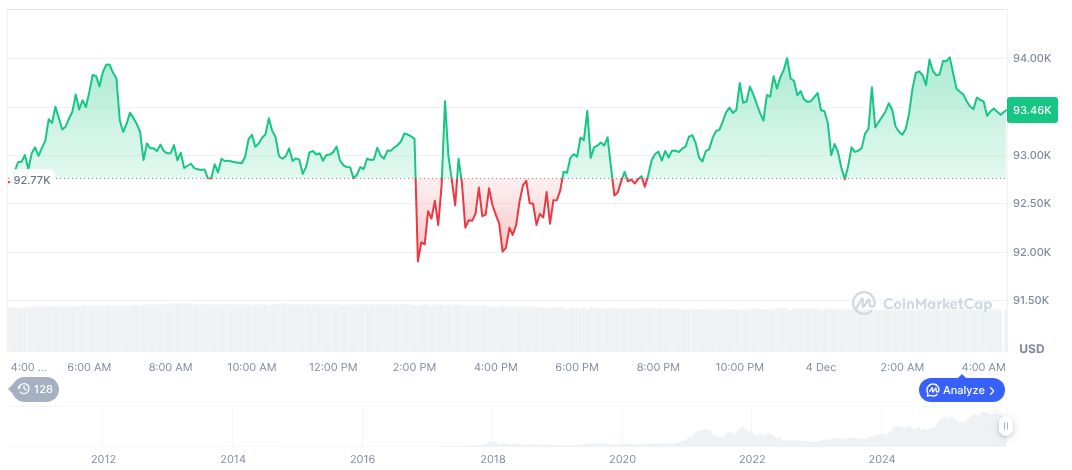
According to CoinMarketCap, Bitcoin (BTC) trades at $92,139.34 with a market cap nearing $1.84 trillion. Despite its dominant 58.73% market share, Bitcoin saw a 1.42% decline over 24 hours. Trading volumes slumped by 16.41% in the past day, with the currency’s supply capped at 21 million units.
Insights from Coincu research suggest a crucial yet challenging landscape for stablecoins’ regulatory evolution. As regulatory frameworks advance, potential technological enhancements might surface, paving avenues for innovation while safeguarding sovereign interests.
| DISCLAIMER: The information on this website is provided as general market commentary and does not constitute investment advice. We encourage you to do your own research before investing. |
No tags available.


Other Posts








- China, US Conclude Trade Talks with Focus on Cooperation
- Crypto Weekly: NYSE Backs OKX, Kraken Gets Fed Access, BTC Sells
- Court Upholds Fed’s Rejection of Custodia Bank’s Request
- Former CFO Convicted for $35M Fraudulent Crypto Investment
- DeriW Launches Edge Hour Trading Competition Platform for Derivatives Traders
- Michael Saylor Denies Bitcoin Sell-Off Amid Large BTC Transfer
- Buy Dogecoin on eToro: Step-by-Step Guide for Beginners (2024)
- Kazakhstan Explores Crypto Reserves Backed by National Funds
- JPMorgan Increases Holdings in BlackRock’s Bitcoin ETF
- Nordea Bank Introduces Bitcoin ETP Trading for Nordic Customers
- XRP Spot ETF Launches on Nasdaq Amid Market Fluctuations
- Peter Schiff Challenges Michael Saylor on MSTR’s Business Model
- Thailand Orders Worldcoin to Delete 1.2 Million Biometric Records
- UK Proposes New DeFi Tax Framework to Ease User Burden
- WLFI Under Fire: Analyst Warns Hyperliquid Could Be Next
- Ancient Ethereum Whale Moves $1.19 Billion After Decade
- BlackRock Receives Large Crypto Transfers from Coinbase
- SEC Scrutiny on ALT5 Sigma’s Leadership Disclosure Timing
- Yala Injects $5.5 Million Amid Recovery Efforts
- Radiant Capital Faces $50M Loss in Major Security Breach
- China, US Conclude Trade Talks with Focus on Cooperation
- Crypto Weekly: NYSE Backs OKX, Kraken Gets Fed Access, BTC Sells
- Court Upholds Fed’s Rejection of Custodia Bank’s Request
- Former CFO Convicted for $35M Fraudulent Crypto Investment
- DeriW Launches Edge Hour Trading Competition Platform for Derivatives Traders
- Michael Saylor Denies Bitcoin Sell-Off Amid Large BTC Transfer
- Buy Dogecoin on eToro: Step-by-Step Guide for Beginners (2024)
- Kazakhstan Explores Crypto Reserves Backed by National Funds
- JPMorgan Increases Holdings in BlackRock’s Bitcoin ETF
- Nordea Bank Introduces Bitcoin ETP Trading for Nordic Customers
- XRP Spot ETF Launches on Nasdaq Amid Market Fluctuations
- Peter Schiff Challenges Michael Saylor on MSTR’s Business Model
- Thailand Orders Worldcoin to Delete 1.2 Million Biometric Records
- UK Proposes New DeFi Tax Framework to Ease User Burden
- WLFI Under Fire: Analyst Warns Hyperliquid Could Be Next
- Ancient Ethereum Whale Moves $1.19 Billion After Decade
- BlackRock Receives Large Crypto Transfers from Coinbase
- SEC Scrutiny on ALT5 Sigma’s Leadership Disclosure Timing
- Yala Injects $5.5 Million Amid Recovery Efforts
- Radiant Capital Faces $50M Loss in Major Security Breach
- China, US Conclude Trade Talks with Focus on Cooperation
- Crypto Weekly: NYSE Backs OKX, Kraken Gets Fed Access, BTC Sells
- Court Upholds Fed’s Rejection of Custodia Bank’s Request
- Former CFO Convicted for $35M Fraudulent Crypto Investment
- DeriW Launches Edge Hour Trading Competition Platform for Derivatives Traders
- Michael Saylor Denies Bitcoin Sell-Off Amid Large BTC Transfer
- Buy Dogecoin on eToro: Step-by-Step Guide for Beginners (2024)
- Kazakhstan Explores Crypto Reserves Backed by National Funds
- JPMorgan Increases Holdings in BlackRock’s Bitcoin ETF
- Nordea Bank Introduces Bitcoin ETP Trading for Nordic Customers
- XRP Spot ETF Launches on Nasdaq Amid Market Fluctuations
- Peter Schiff Challenges Michael Saylor on MSTR’s Business Model
- Thailand Orders Worldcoin to Delete 1.2 Million Biometric Records
- UK Proposes New DeFi Tax Framework to Ease User Burden
- WLFI Under Fire: Analyst Warns Hyperliquid Could Be Next
- Ancient Ethereum Whale Moves $1.19 Billion After Decade
- BlackRock Receives Large Crypto Transfers from Coinbase
- SEC Scrutiny on ALT5 Sigma’s Leadership Disclosure Timing
- Yala Injects $5.5 Million Amid Recovery Efforts
- Radiant Capital Faces $50M Loss in Major Security Breach

Circle Names Visa, Mastercard, and BlackRock as Validators for Arc Launch

Eliza founder says AI token is ‘dead’ and shuts down foundation after lawsuit settlement

Ethereum Proposal Weighs Zero Staking Rewards at 50% ETH Staked


Bybit.eu Expands European Offering as Bybit Payments GmbH Secures Electronic Money Institution Licence