- QwQiao questions tech advancements’ impact on long-term economic growth.
- No tech change has shifted GDP growth from 2%.
- AI and robotics might not resolve national debt issues.
QwQiao, co-founder of Alliance DAO, recently asserted on social media that technological advancements haven’t historically surpassed a 2% long-term per capita GDP growth rate.
This statement questions AI and robotics’ potential to solve economic debt, impacting market skepticism and investment strategies within technology-focused sectors.
GDP’s Historical Growth Rate Faces Technological Constraints
Alliance DAO’s co-founder QwQiao has suggested that past technological advancements such as the steam engine, electricity, and computers have not altered the long-term per capita GDP growth rate from its historical average of 2%. According to QwQiao, AI and robotics will likely continue this trend, failing to resolve ongoing debt challenges. “While AI and robotics promise advancements, they won’t provide a way to escape the burdens of debt that our economies face.” This statement stirs debate among experts, emphasizing the protracted nature of technological impact on economic metrics.
QwQiao’s assertions challenge the prevailing optimism around AI and robotics as futuristic solutions. His remarks suggest that despite technological progress, escaping national debt through innovation remains unlikely. Consistent economic patterns underline how such technologies might not significantly alter global economic standards.
While economic responses are evolving, the community’s reaction is mixed. Some industry observers agree with QwQiao’s growth predictions, while others remain hopeful about future shifts brought about by AI. Inferences drawn from past trends mark this statement as conservative.
Bitcoin’s Market Share Amid Macroeconomic Influences
Did you know? QwQiao’s perspective evokes historical parallels with the Industrial Revolution, which despite technological breakthroughs, maintained a similar growth rate of 2% over centuries.
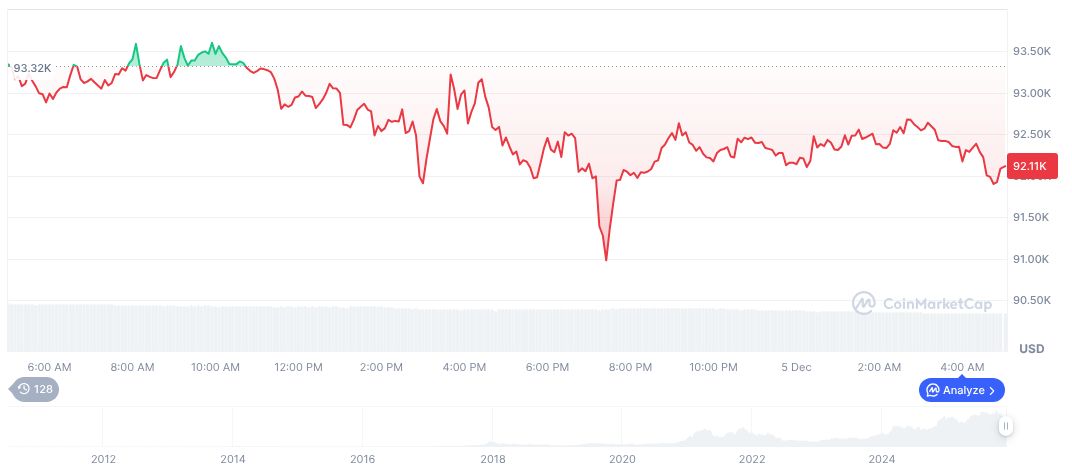
Bitcoin, currently priced at $88,900.93 and commanding a market cap of $1.77 trillion, accounts for 58.63% of the market share, as per CoinMarketCap. A 3.85% decline in the last 24-hours contrasts its monumental status, reflecting recent industry sentiments. The 30-day decline intensifies with a 14.39% drop, hinting at macroeconomic factors influencing digital assets’ market performance.
The Coincu research team interprets QwQiao’s remarks as pivotal, indicating that while technology advances, the traditional financial structures remain heavily entrenched. Their analysis acknowledges a historical consistency in GDP movement, implying that technological developments will require more time to manifest substantial economic change.
| DISCLAIMER: The information on this website is provided as general market commentary and does not constitute investment advice. We encourage you to do your own research before investing. |

No tags available.


Other Posts









- Amplify 2024: Ohio’s Premier Blockchain Summit
- Polymarket Announces U.S. Beta Relaunch Amid Market Buzz
- China, US Conclude Trade Talks with Focus on Cooperation
- Crypto Weekly: NYSE Backs OKX, Kraken Gets Fed Access, BTC Sells
- CELO holds as Celo reviews Opera 160M token claim
- DeriW Launches Edge Hour Trading Competition Platform for Derivatives Traders
- Michael Saylor Denies Bitcoin Sell-Off Amid Large BTC Transfer
- Court Upholds Fed’s Rejection of Custodia Bank’s Request
- EU Opens Antitrust Probe Into Deutsche Boerse and Nasdaq Derivatives Dealings
- Kazakhstan Explores Crypto Reserves Backed by National Funds
- JPMorgan Increases Holdings in BlackRock’s Bitcoin ETF
- Nordea Bank Introduces Bitcoin ETP Trading for Nordic Customers
- XRP Spot ETF Launches on Nasdaq Amid Market Fluctuations
- JPMorgan Chase Launches 24/7 Digital Deposit Token for Clients
- Crypto Leaders Address Macro Volatility Amid Market Shifts
- Former CFO Convicted for $35M Fraudulent Crypto Investment
- Peter Schiff Challenges Michael Saylor on MSTR’s Business Model
- Thailand Orders Worldcoin to Delete 1.2 Million Biometric Records
- UK Proposes New DeFi Tax Framework to Ease User Burden
- U.S. Treasury Proposes New Tax Relief Regulations
- Amplify 2024: Ohio’s Premier Blockchain Summit
- Polymarket Announces U.S. Beta Relaunch Amid Market Buzz
- China, US Conclude Trade Talks with Focus on Cooperation
- Crypto Weekly: NYSE Backs OKX, Kraken Gets Fed Access, BTC Sells
- CELO holds as Celo reviews Opera 160M token claim
- DeriW Launches Edge Hour Trading Competition Platform for Derivatives Traders
- Michael Saylor Denies Bitcoin Sell-Off Amid Large BTC Transfer
- Court Upholds Fed’s Rejection of Custodia Bank’s Request
- EU Opens Antitrust Probe Into Deutsche Boerse and Nasdaq Derivatives Dealings
- Kazakhstan Explores Crypto Reserves Backed by National Funds
- JPMorgan Increases Holdings in BlackRock’s Bitcoin ETF
- Nordea Bank Introduces Bitcoin ETP Trading for Nordic Customers
- XRP Spot ETF Launches on Nasdaq Amid Market Fluctuations
- JPMorgan Chase Launches 24/7 Digital Deposit Token for Clients
- Crypto Leaders Address Macro Volatility Amid Market Shifts
- Former CFO Convicted for $35M Fraudulent Crypto Investment
- Peter Schiff Challenges Michael Saylor on MSTR’s Business Model
- Thailand Orders Worldcoin to Delete 1.2 Million Biometric Records
- UK Proposes New DeFi Tax Framework to Ease User Burden
- U.S. Treasury Proposes New Tax Relief Regulations
- Amplify 2024: Ohio’s Premier Blockchain Summit
- Polymarket Announces U.S. Beta Relaunch Amid Market Buzz
- China, US Conclude Trade Talks with Focus on Cooperation
- Crypto Weekly: NYSE Backs OKX, Kraken Gets Fed Access, BTC Sells
- CELO holds as Celo reviews Opera 160M token claim
- DeriW Launches Edge Hour Trading Competition Platform for Derivatives Traders
- Michael Saylor Denies Bitcoin Sell-Off Amid Large BTC Transfer
- Court Upholds Fed’s Rejection of Custodia Bank’s Request
- EU Opens Antitrust Probe Into Deutsche Boerse and Nasdaq Derivatives Dealings
- Kazakhstan Explores Crypto Reserves Backed by National Funds
- JPMorgan Increases Holdings in BlackRock’s Bitcoin ETF
- Nordea Bank Introduces Bitcoin ETP Trading for Nordic Customers
- XRP Spot ETF Launches on Nasdaq Amid Market Fluctuations
- JPMorgan Chase Launches 24/7 Digital Deposit Token for Clients
- Crypto Leaders Address Macro Volatility Amid Market Shifts
- Former CFO Convicted for $35M Fraudulent Crypto Investment
- Peter Schiff Challenges Michael Saylor on MSTR’s Business Model
- Thailand Orders Worldcoin to Delete 1.2 Million Biometric Records
- UK Proposes New DeFi Tax Framework to Ease User Burden
- U.S. Treasury Proposes New Tax Relief Regulations
Latest

U.S. Bitcoin ETF Sees 3,353 BTC Inflow, Ethereum ETF Adds 29,225 ETH

Pharos Network and OKX Wallet Launch ‘Stake Before the Stake’ Event

Press Release

Bitmine Immersion Technologies (BMNR) Announces ETH Holdings Reach 4.875 Million Tokens, and Total Crypto and Total Cash Holdings of $11.8 Billion

Cango’s HPC and AI Inference Subsidiary, EcoHash, Begins Commercial Operations