





io.net Unveils Incentive Dynamic Engine for Tokenomics Overhaul
- io.net releases IDE to cut 50% of 300M IO tokens.
- Litepaper seeks feedback until February.
- Implementation targets Q2 2026 for market stabilization.
io.net released a Litepaper for its Incentive Dynamic Engine (IDE) on December 11, introducing a tokenomic shift aimed at halving the circulating supply of IO tokens.
This transition signals a shift from inflationary models, fostering sustainability and potentially impacting DePIN token markets.
io.net Aims for 50% Token Reduction by 2026
io.net’s latest release involves the Incentive Dynamic Engine (IDE), a framework intended to replace the current inflation-based token system. This litepaper is a preliminary guide, outlining strategies to enhance network sustainability by aligning token supply with demand-driven metrics.
The IDE intends to cut at least 50% of the current 300 million IO tokens in circulation. Implementation is projected for Q2 2026, following an iterative community-driven refinement process, marking a significant shift in the project’s economic architecture.
“IDE is the first adaptive economic engine for decentralized compute, designed to replace inflation-based DePIN emissions with a demand-driven, feedback-controlled token model.” – io.net Blog
From Inflation to Demand: io.net’s Strategic Shift
Did you know? In shifting from an inflation-based model, io.net follows the path of other decentralized networks like Helium that have moved toward demand-driven mechanisms for stability.
According to CoinMarketCap, io.net’s IO token is priced at $0.17 with a market cap of formatNumber(41836794, 2). The token’s price has fallen 2.95% in the past 24 hours amid a broader 43.47% decline over the month.
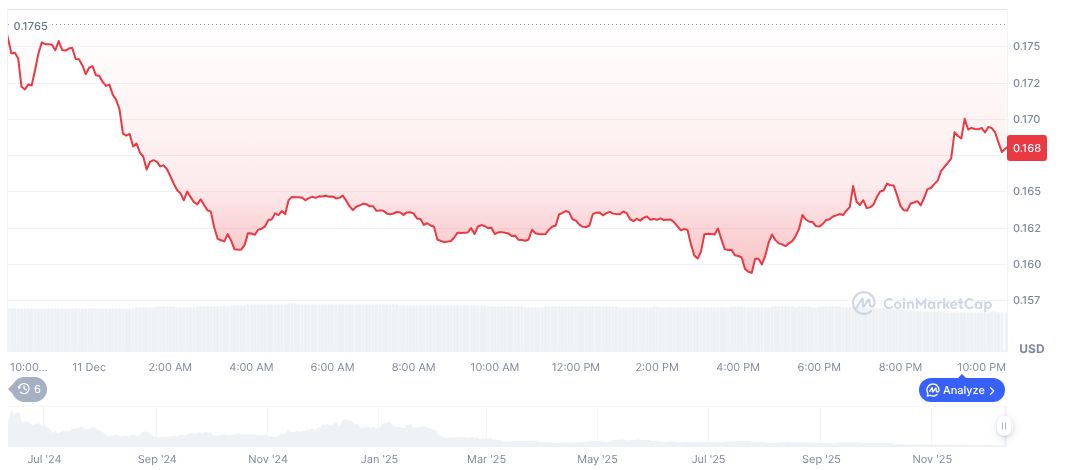
Coincu research highlights potential outcomes from IDE’s implementation. A focus on demand-responsive supply control could lead to more stable token valuations in depreciation-prone markets. Continuous adjustment with market conditions adapts strategically for ongoing fiscal resistance.
| DISCLAIMER: The information on this website is provided as general market commentary and does not constitute investment advice. We encourage you to do your own research before investing. |

No tags available.


Other Posts









- Amplify 2024: Ohio’s Premier Blockchain Summit
- Polymarket Announces U.S. Beta Relaunch Amid Market Buzz
- China, US Conclude Trade Talks with Focus on Cooperation
- Michael Saylor Denies Bitcoin Sell-Off Amid Large BTC Transfer
- Court Upholds Fed’s Rejection of Custodia Bank’s Request
- EU Opens Antitrust Probe Into Deutsche Boerse and Nasdaq Derivatives Dealings
- Kazakhstan Explores Crypto Reserves Backed by National Funds
- Nordea Bank Introduces Bitcoin ETP Trading for Nordic Customers
- JPMorgan Increases Holdings in BlackRock’s Bitcoin ETF
- JPMorgan Chase Launches 24/7 Digital Deposit Token for Clients
- Crypto Leaders Address Macro Volatility Amid Market Shifts
- U.S. Treasury Proposes New Tax Relief Regulations
- Radiant Capital Faces $50M Loss in Major Security Breach
- SEGG Media Unveils $300 Million Crypto Reserve Plan
- Former CFO Convicted for $35M Fraudulent Crypto Investment
- 21Shares Files S-1 With SEC to Launch Hyperliquid ($HYPE) ETF
- XRP Spot ETF Launches on Nasdaq Amid Market Fluctuations
- Hong Kong Sentences Influencer for Unlicensed Investment Advice
- Franklin Templeton Signals TradFi and Crypto Integration
- Peter Schiff Challenges Michael Saylor on MSTR’s Business Model
- Amplify 2024: Ohio’s Premier Blockchain Summit
- Polymarket Announces U.S. Beta Relaunch Amid Market Buzz
- China, US Conclude Trade Talks with Focus on Cooperation
- Michael Saylor Denies Bitcoin Sell-Off Amid Large BTC Transfer
- Court Upholds Fed’s Rejection of Custodia Bank’s Request
- EU Opens Antitrust Probe Into Deutsche Boerse and Nasdaq Derivatives Dealings
- Kazakhstan Explores Crypto Reserves Backed by National Funds
- Nordea Bank Introduces Bitcoin ETP Trading for Nordic Customers
- JPMorgan Increases Holdings in BlackRock’s Bitcoin ETF
- JPMorgan Chase Launches 24/7 Digital Deposit Token for Clients
- Crypto Leaders Address Macro Volatility Amid Market Shifts
- U.S. Treasury Proposes New Tax Relief Regulations
- Radiant Capital Faces $50M Loss in Major Security Breach
- SEGG Media Unveils $300 Million Crypto Reserve Plan
- Former CFO Convicted for $35M Fraudulent Crypto Investment
- 21Shares Files S-1 With SEC to Launch Hyperliquid ($HYPE) ETF
- XRP Spot ETF Launches on Nasdaq Amid Market Fluctuations
- Hong Kong Sentences Influencer for Unlicensed Investment Advice
- Franklin Templeton Signals TradFi and Crypto Integration
- Peter Schiff Challenges Michael Saylor on MSTR’s Business Model
- Amplify 2024: Ohio’s Premier Blockchain Summit
- Polymarket Announces U.S. Beta Relaunch Amid Market Buzz
- China, US Conclude Trade Talks with Focus on Cooperation
- Michael Saylor Denies Bitcoin Sell-Off Amid Large BTC Transfer
- Court Upholds Fed’s Rejection of Custodia Bank’s Request
- EU Opens Antitrust Probe Into Deutsche Boerse and Nasdaq Derivatives Dealings
- Kazakhstan Explores Crypto Reserves Backed by National Funds
- Nordea Bank Introduces Bitcoin ETP Trading for Nordic Customers
- JPMorgan Increases Holdings in BlackRock’s Bitcoin ETF
- JPMorgan Chase Launches 24/7 Digital Deposit Token for Clients
- Crypto Leaders Address Macro Volatility Amid Market Shifts
- U.S. Treasury Proposes New Tax Relief Regulations
- Radiant Capital Faces $50M Loss in Major Security Breach
- SEGG Media Unveils $300 Million Crypto Reserve Plan
- Former CFO Convicted for $35M Fraudulent Crypto Investment
- 21Shares Files S-1 With SEC to Launch Hyperliquid ($HYPE) ETF
- XRP Spot ETF Launches on Nasdaq Amid Market Fluctuations
- Hong Kong Sentences Influencer for Unlicensed Investment Advice
- Franklin Templeton Signals TradFi and Crypto Integration
- Peter Schiff Challenges Michael Saylor on MSTR’s Business Model
Latest

Solana Weekly H&S Breakdown Signals Potential Drop Toward $59 Zone

Tao Breaks Long Consolidation Eyeing Potential Rally Towards $250 Breakout









Press Release
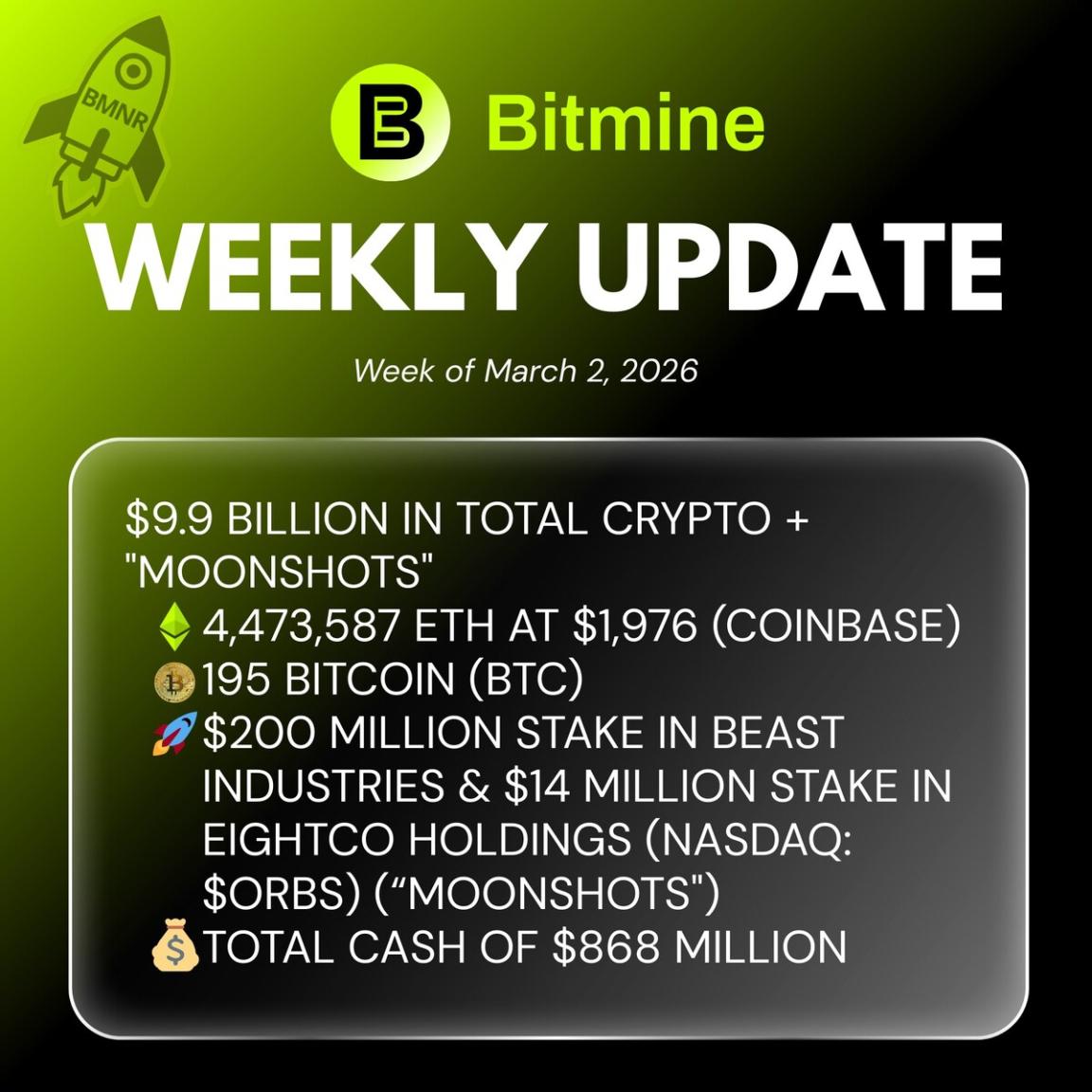
Bitmine Immersion Technologies (BMNR) Announces ETH Holdings Reach 4.474 Million Tokens, and Total Crypto and Total Cash Holdings of $9.9 Billion

MEXC USAT Flexible Savings Achieves 14x Growth from Launch to Peak