UK Plans to Regulate Cryptocurrencies Under Financial Authority by 2027
- UK Treasury’s plan to regulate crypto by 2027
- Integrating cryptocurrencies into FCA’s framework
- Addressing consumer safety and illegal use issues
The UK Treasury plans to bring cryptocurrencies under the Financial Conduct Authority’s regulations by 2027, mirroring existing financial product guidelines, as announced by Chancellor Rachel Reeves.
This regulatory shift aims to enhance transparency, bolster consumer confidence, and prevent illicit activities in the cryptocurrency sphere, impacting both crypto businesses and political donation practices.
Industry Faces Compliance Challenges Amid Regulatory Changes
The UK Treasury’s intent to bring crypto activities under FCA supervision marks a significant shift in regulatory approach. Over the years, the FCA has had an anti-money laundering (AML) and counter-terrorism financing (CTF) registration regime for crypto. As part of these changes, the UK government is considering banning crypto for political donations. There’s no official text about this ban yet.
The regulatory shift aims to treat crypto firms like investment enterprises. UK-focused entities must adapt and prepare for rigorous compliance. These updates may lead to compliance burden and potential withdrawal of non-compliant firms from the UK market.
The market response has included concerns from stakeholders about compliance challenges. Chancellor Rachel Reeves emphasized her priority on transparency and safety, while experts caution against stifling innovation in this growing sector. Her statement highlights the importance of high regulatory standards:
“Our policy is to extend the regulatory framework to a broad range of cryptoasset activities to ensure they are subject to the same high standards as the rest of the financial services sector.”
Market Data and Future Insights
Did you know? Historically, the UK’s regulations on stablecoins indicate this will align more with global practices, impacting major exchanges.
As of December 15, 2025, Bitcoin’s current price stands at $89,826.75 with a market capitalization of $1.79 trillion and dominance of 58.54%, according to CoinMarketCap. Over the past 30 days, Bitcoin prices fell by 6.40%, and its current circulating supply is 19,962,334 BTC.
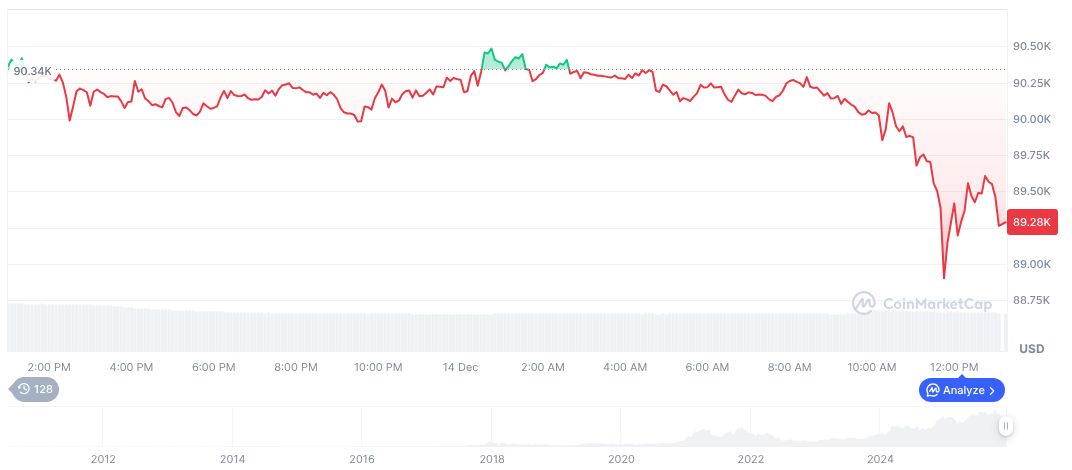
The Coincu research team suggests that the firm’s regulatory demands will alter the landscape, pushing minor players to consolidate or exit. The market response has included concerns from stakeholders about compliance challenges.
| DISCLAIMER: The information on this website is provided as general market commentary and does not constitute investment advice. We encourage you to do your own research before investing. |

No tags available.


Other Posts









- Amplify 2024: Ohio’s Premier Blockchain Summit
- Polymarket Announces U.S. Beta Relaunch Amid Market Buzz
- China, US Conclude Trade Talks with Focus on Cooperation
- Michael Saylor Denies Bitcoin Sell-Off Amid Large BTC Transfer
- Court Upholds Fed’s Rejection of Custodia Bank’s Request
- EU Opens Antitrust Probe Into Deutsche Boerse and Nasdaq Derivatives Dealings
- Kazakhstan Explores Crypto Reserves Backed by National Funds
- Nordea Bank Introduces Bitcoin ETP Trading for Nordic Customers
- JPMorgan Increases Holdings in BlackRock’s Bitcoin ETF
- XRP Spot ETF Launches on Nasdaq Amid Market Fluctuations
- JPMorgan Chase Launches 24/7 Digital Deposit Token for Clients
- Crypto Leaders Address Macro Volatility Amid Market Shifts
- Former CFO Convicted for $35M Fraudulent Crypto Investment
- Peter Schiff Challenges Michael Saylor on MSTR’s Business Model
- U.S. Treasury Proposes New Tax Relief Regulations
- WLFI Under Fire: Analyst Warns Hyperliquid Could Be Next
- Japan to Reduce Cryptocurrency Tax to 20%
- Yala Injects $5.5 Million Amid Recovery Efforts
- HSBC to Offer Tokenized Deposits in US and UAE
- Amazon seeks to raise about $12 billion through a U.S. bond offering
- Amplify 2024: Ohio’s Premier Blockchain Summit
- Polymarket Announces U.S. Beta Relaunch Amid Market Buzz
- China, US Conclude Trade Talks with Focus on Cooperation
- Michael Saylor Denies Bitcoin Sell-Off Amid Large BTC Transfer
- Court Upholds Fed’s Rejection of Custodia Bank’s Request
- EU Opens Antitrust Probe Into Deutsche Boerse and Nasdaq Derivatives Dealings
- Kazakhstan Explores Crypto Reserves Backed by National Funds
- Nordea Bank Introduces Bitcoin ETP Trading for Nordic Customers
- JPMorgan Increases Holdings in BlackRock’s Bitcoin ETF
- XRP Spot ETF Launches on Nasdaq Amid Market Fluctuations
- JPMorgan Chase Launches 24/7 Digital Deposit Token for Clients
- Crypto Leaders Address Macro Volatility Amid Market Shifts
- Former CFO Convicted for $35M Fraudulent Crypto Investment
- Peter Schiff Challenges Michael Saylor on MSTR’s Business Model
- U.S. Treasury Proposes New Tax Relief Regulations
- WLFI Under Fire: Analyst Warns Hyperliquid Could Be Next
- Japan to Reduce Cryptocurrency Tax to 20%
- Yala Injects $5.5 Million Amid Recovery Efforts
- HSBC to Offer Tokenized Deposits in US and UAE
- Amazon seeks to raise about $12 billion through a U.S. bond offering
- Amplify 2024: Ohio’s Premier Blockchain Summit
- Polymarket Announces U.S. Beta Relaunch Amid Market Buzz
- China, US Conclude Trade Talks with Focus on Cooperation
- Michael Saylor Denies Bitcoin Sell-Off Amid Large BTC Transfer
- Court Upholds Fed’s Rejection of Custodia Bank’s Request
- EU Opens Antitrust Probe Into Deutsche Boerse and Nasdaq Derivatives Dealings
- Kazakhstan Explores Crypto Reserves Backed by National Funds
- Nordea Bank Introduces Bitcoin ETP Trading for Nordic Customers
- JPMorgan Increases Holdings in BlackRock’s Bitcoin ETF
- XRP Spot ETF Launches on Nasdaq Amid Market Fluctuations
- JPMorgan Chase Launches 24/7 Digital Deposit Token for Clients
- Crypto Leaders Address Macro Volatility Amid Market Shifts
- Former CFO Convicted for $35M Fraudulent Crypto Investment
- Peter Schiff Challenges Michael Saylor on MSTR’s Business Model
- U.S. Treasury Proposes New Tax Relief Regulations
- WLFI Under Fire: Analyst Warns Hyperliquid Could Be Next
- Japan to Reduce Cryptocurrency Tax to 20%
- Yala Injects $5.5 Million Amid Recovery Efforts
- HSBC to Offer Tokenized Deposits in US and UAE
- Amazon seeks to raise about $12 billion through a U.S. bond offering
Latest











Press Release

Bybit Launches AI Skills: Powering AI Agents for Crypto Trading With Zero Setup, 253 API Endpoints and Growing

Eightco (NASDAQ: ORBS) Secures $125M in Institutional Commitments Led by Bitmine (NYSE: BMNR), Cathie Wood’s ARK Invest, and Payward to Expand into Next Generation Technology