





- Henrik Zeberg warns of U.S. economic downturn driven by unemployment.
- Federal Reserve scrutinized for missing recession signs.
- Unemployment’s rise reaches critical threshold.
According to macroeconomist Henrik Zeberg, the Federal Reserve overlooked economic signals, risking a 2025 recession, as posted on X platform.
The potential recession raises concerns over economic stability, highlighting unemployment trends and market vulnerabilities despite central bank resources.
Unemployment Surge Fuels Recession Concerns
Henrik Zeberg, a macroeconomist renowned for his economic predictions, warns that the U.S. economy faces a potential recession. He emphasizes the unemployment rate, now at 4.6%, as a historical predictor of recessions. The rise in the unemployment rate is reaching the “Sahm Rule” threshold, which associates increases with increased recession likelihood.
According to Zeberg, the Federal Reserve overlooks crucial economic indicators, relying instead on lagging data. The unemployment rate increase is a worrying signal, despite the Federal Reserve’s focus on different metrics. Many investors are increasingly cautious as they process potential impacts on the broader economy and markets.
The market response to Zeberg’s predictions has been varied. Concerns about economic downturns have prompted discussions among investors and experts. With the unemployment rate reaching concerning levels, industry leaders are increasingly questioning the Federal Reserve’s approach, enhancing scrutiny of its predictive accuracy.
Henrik Zeberg, Head Macro Economist, Swissblock, – “Unemployment rises preceding every major recession is a never-fail indicator.”
Historic Trends and Future Economic Implications
Did you know? The unemployment rate has historically been a reliable indicator of impending recessions, often rising in advance of downturns. In November, the U.S. rate reached 4.6%, a four-year high, echoing past trends linked to economic slumps.
Bitcoin (BTC) holds a market cap of $1.76 trillion, with dominance at 58.99%. According to CoinMarketCap, BTC recently traded at $88,272.26, noting a 24-hour volume of $22.66 billion. Despite a weekly decline of 1.42%, the 30-day movement shows a 4.23% increase.
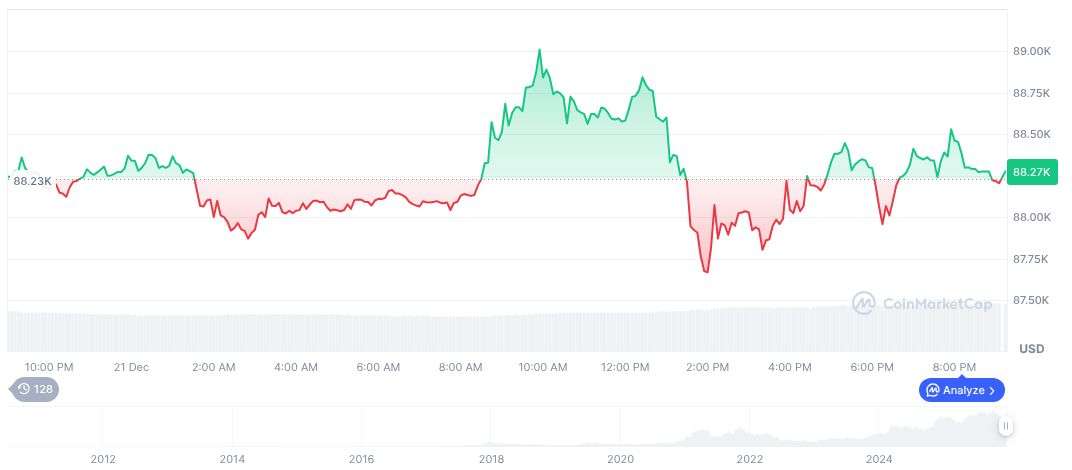
Research from Coincu suggests the next economic shifts may impede financial growth. Historical data connects rising unemployment with downturns, indicating technological progress amid high inflation. Recessionary impacts pose potential regulatory scrutiny across markets, influencing both policymakers and economic analysts.
| DISCLAIMER: The information on this website is provided as general market commentary and does not constitute investment advice. We encourage you to do your own research before investing. |

No tags available.


Other Posts









- Amplify 2024: Ohio’s Premier Blockchain Summit
- Polymarket Announces U.S. Beta Relaunch Amid Market Buzz
- China, US Conclude Trade Talks with Focus on Cooperation
- Michael Saylor Denies Bitcoin Sell-Off Amid Large BTC Transfer
- Court Upholds Fed’s Rejection of Custodia Bank’s Request
- EU Opens Antitrust Probe Into Deutsche Boerse and Nasdaq Derivatives Dealings
- Kazakhstan Explores Crypto Reserves Backed by National Funds
- Nordea Bank Introduces Bitcoin ETP Trading for Nordic Customers
- JPMorgan Increases Holdings in BlackRock’s Bitcoin ETF
- JPMorgan Chase Launches 24/7 Digital Deposit Token for Clients
- Crypto Leaders Address Macro Volatility Amid Market Shifts
- U.S. Treasury Proposes New Tax Relief Regulations
- Radiant Capital Faces $50M Loss in Major Security Breach
- SEGG Media Unveils $300 Million Crypto Reserve Plan
- 21Shares Files S-1 With SEC to Launch Hyperliquid ($HYPE) ETF
- Former CFO Convicted for $35M Fraudulent Crypto Investment
- Hong Kong Sentences Influencer for Unlicensed Investment Advice
- Franklin Templeton Signals TradFi and Crypto Integration
- XRP Spot ETF Launches on Nasdaq Amid Market Fluctuations
- Peter Schiff Challenges Michael Saylor on MSTR’s Business Model
- Amplify 2024: Ohio’s Premier Blockchain Summit
- Polymarket Announces U.S. Beta Relaunch Amid Market Buzz
- China, US Conclude Trade Talks with Focus on Cooperation
- Michael Saylor Denies Bitcoin Sell-Off Amid Large BTC Transfer
- Court Upholds Fed’s Rejection of Custodia Bank’s Request
- EU Opens Antitrust Probe Into Deutsche Boerse and Nasdaq Derivatives Dealings
- Kazakhstan Explores Crypto Reserves Backed by National Funds
- Nordea Bank Introduces Bitcoin ETP Trading for Nordic Customers
- JPMorgan Increases Holdings in BlackRock’s Bitcoin ETF
- JPMorgan Chase Launches 24/7 Digital Deposit Token for Clients
- Crypto Leaders Address Macro Volatility Amid Market Shifts
- U.S. Treasury Proposes New Tax Relief Regulations
- Radiant Capital Faces $50M Loss in Major Security Breach
- SEGG Media Unveils $300 Million Crypto Reserve Plan
- 21Shares Files S-1 With SEC to Launch Hyperliquid ($HYPE) ETF
- Former CFO Convicted for $35M Fraudulent Crypto Investment
- Hong Kong Sentences Influencer for Unlicensed Investment Advice
- Franklin Templeton Signals TradFi and Crypto Integration
- XRP Spot ETF Launches on Nasdaq Amid Market Fluctuations
- Peter Schiff Challenges Michael Saylor on MSTR’s Business Model
- Amplify 2024: Ohio’s Premier Blockchain Summit
- Polymarket Announces U.S. Beta Relaunch Amid Market Buzz
- China, US Conclude Trade Talks with Focus on Cooperation
- Michael Saylor Denies Bitcoin Sell-Off Amid Large BTC Transfer
- Court Upholds Fed’s Rejection of Custodia Bank’s Request
- EU Opens Antitrust Probe Into Deutsche Boerse and Nasdaq Derivatives Dealings
- Kazakhstan Explores Crypto Reserves Backed by National Funds
- Nordea Bank Introduces Bitcoin ETP Trading for Nordic Customers
- JPMorgan Increases Holdings in BlackRock’s Bitcoin ETF
- JPMorgan Chase Launches 24/7 Digital Deposit Token for Clients
- Crypto Leaders Address Macro Volatility Amid Market Shifts
- U.S. Treasury Proposes New Tax Relief Regulations
- Radiant Capital Faces $50M Loss in Major Security Breach
- SEGG Media Unveils $300 Million Crypto Reserve Plan
- 21Shares Files S-1 With SEC to Launch Hyperliquid ($HYPE) ETF
- Former CFO Convicted for $35M Fraudulent Crypto Investment
- Hong Kong Sentences Influencer for Unlicensed Investment Advice
- Franklin Templeton Signals TradFi and Crypto Integration
- XRP Spot ETF Launches on Nasdaq Amid Market Fluctuations
- Peter Schiff Challenges Michael Saylor on MSTR’s Business Model
Latest

Iran Oil Prices Surge as Strait of Hormuz Tensions Escalate: War Premium, Gold Rally, and Global Market Impact










Press Release

Decibel Launches Fully Onchain Perpetuals Exchange on Aptos Mainnet

Bybit Unveils 2025 Security Milestone: Intercepts $300M in Impersonalization, Scams and Frauds via New AI-Driven Risk Framework