- DOJ releases nearly 30,000 pages of Epstein documents.
- Documents include false accusations against Trump, clarified as baseless.
- Commitment to transparency and victim protection emphasized by DOJ.
The U.S. Department of Justice released nearly 30,000 pages of documents related to the Jeffrey Epstein case on December 23, revealing false accusations against former President Trump.
This release signifies the DOJ’s commitment to transparency and legal integrity while protecting Epstein victims’ information, without affecting cryptocurrency markets or industry figures.
DOJ’s Transparency in Epstein Case Document Release
“The first phase of declassified files was announced to ensure transparency regarding the Epstein case.” — Attorney General Pamela Bondi, U.S. Department of Justice
Did you know?
The public release of such a large volume of documents from a high-profile case like Epstein’s is a rare occurrence in the DOJ’s recent history.
Analysts from Coincu suggest that increased transparency in legal proceedings could influence future regulatory approaches. Technological transparency methods might emerge, aligning with historical trends of increased public accountability. To explore related discussions, refer to the U.S. House Committee on Oversight and Government Reform’s release.
Public Release of Epstein Documents: Rare DOJ Move
Did you know? The public release of such a large volume of documents from a high-profile case like Epstein’s is a rare occurrence in the DOJ’s recent history.
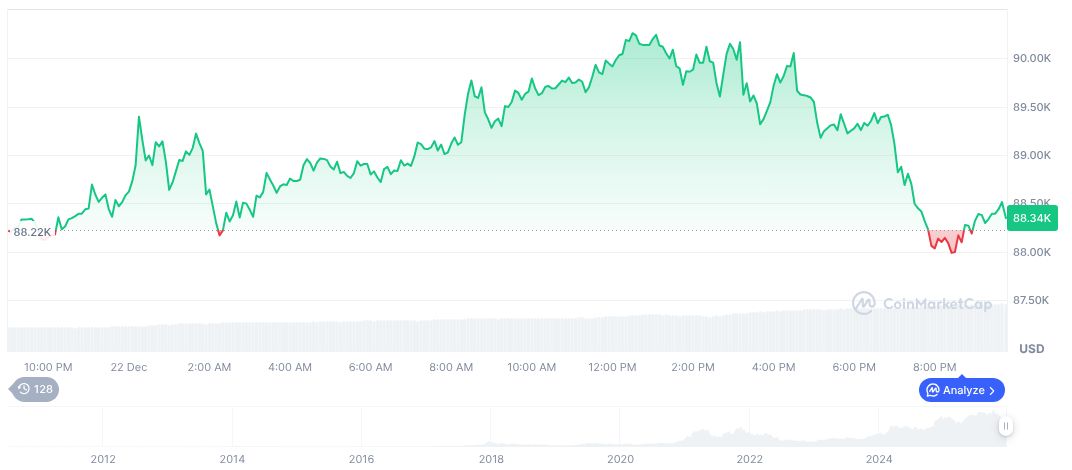
Bitcoin (BTC) is currently valued at $87,718.77, as reported by CoinMarketCap, with a market cap of $1.75 trillion and dominance at 59.08%. Its trading volume in the last 24 hours reached $42.61 billion. Over the past 90 days, Bitcoin experienced a -22.38% price change.
Analysts from Coincu suggest that increased transparency in legal proceedings could influence future regulatory approaches. Technological transparency methods might emerge, aligning with historical trends of increased public accountability. To explore related discussions, refer to the U.S. House Committee on Oversight and Government Reform’s release.
| DISCLAIMER: The information on this website is provided as general market commentary and does not constitute investment advice. We encourage you to do your own research before investing. |
No tags available.


Other Posts








- Amplify 2024: Ohio’s Premier Blockchain Summit
- Polymarket Announces U.S. Beta Relaunch Amid Market Buzz
- China, US Conclude Trade Talks with Focus on Cooperation
- Crypto Weekly: NYSE Backs OKX, Kraken Gets Fed Access, BTC Sells
- CELO holds as Celo reviews Opera 160M token claim
- DeriW Launches Edge Hour Trading Competition Platform for Derivatives Traders
- Michael Saylor Denies Bitcoin Sell-Off Amid Large BTC Transfer
- Court Upholds Fed’s Rejection of Custodia Bank’s Request
- EU Opens Antitrust Probe Into Deutsche Boerse and Nasdaq Derivatives Dealings
- Kazakhstan Explores Crypto Reserves Backed by National Funds
- JPMorgan Increases Holdings in BlackRock’s Bitcoin ETF
- Nordea Bank Introduces Bitcoin ETP Trading for Nordic Customers
- XRP Spot ETF Launches on Nasdaq Amid Market Fluctuations
- JPMorgan Chase Launches 24/7 Digital Deposit Token for Clients
- Crypto Leaders Address Macro Volatility Amid Market Shifts
- Former CFO Convicted for $35M Fraudulent Crypto Investment
- Peter Schiff Challenges Michael Saylor on MSTR’s Business Model
- Thailand Orders Worldcoin to Delete 1.2 Million Biometric Records
- UK Proposes New DeFi Tax Framework to Ease User Burden
- U.S. Treasury Proposes New Tax Relief Regulations
- Amplify 2024: Ohio’s Premier Blockchain Summit
- Polymarket Announces U.S. Beta Relaunch Amid Market Buzz
- China, US Conclude Trade Talks with Focus on Cooperation
- Crypto Weekly: NYSE Backs OKX, Kraken Gets Fed Access, BTC Sells
- CELO holds as Celo reviews Opera 160M token claim
- DeriW Launches Edge Hour Trading Competition Platform for Derivatives Traders
- Michael Saylor Denies Bitcoin Sell-Off Amid Large BTC Transfer
- Court Upholds Fed’s Rejection of Custodia Bank’s Request
- EU Opens Antitrust Probe Into Deutsche Boerse and Nasdaq Derivatives Dealings
- Kazakhstan Explores Crypto Reserves Backed by National Funds
- JPMorgan Increases Holdings in BlackRock’s Bitcoin ETF
- Nordea Bank Introduces Bitcoin ETP Trading for Nordic Customers
- XRP Spot ETF Launches on Nasdaq Amid Market Fluctuations
- JPMorgan Chase Launches 24/7 Digital Deposit Token for Clients
- Crypto Leaders Address Macro Volatility Amid Market Shifts
- Former CFO Convicted for $35M Fraudulent Crypto Investment
- Peter Schiff Challenges Michael Saylor on MSTR’s Business Model
- Thailand Orders Worldcoin to Delete 1.2 Million Biometric Records
- UK Proposes New DeFi Tax Framework to Ease User Burden
- U.S. Treasury Proposes New Tax Relief Regulations
- Amplify 2024: Ohio’s Premier Blockchain Summit
- Polymarket Announces U.S. Beta Relaunch Amid Market Buzz
- China, US Conclude Trade Talks with Focus on Cooperation
- Crypto Weekly: NYSE Backs OKX, Kraken Gets Fed Access, BTC Sells
- CELO holds as Celo reviews Opera 160M token claim
- DeriW Launches Edge Hour Trading Competition Platform for Derivatives Traders
- Michael Saylor Denies Bitcoin Sell-Off Amid Large BTC Transfer
- Court Upholds Fed’s Rejection of Custodia Bank’s Request
- EU Opens Antitrust Probe Into Deutsche Boerse and Nasdaq Derivatives Dealings
- Kazakhstan Explores Crypto Reserves Backed by National Funds
- JPMorgan Increases Holdings in BlackRock’s Bitcoin ETF
- Nordea Bank Introduces Bitcoin ETP Trading for Nordic Customers
- XRP Spot ETF Launches on Nasdaq Amid Market Fluctuations
- JPMorgan Chase Launches 24/7 Digital Deposit Token for Clients
- Crypto Leaders Address Macro Volatility Amid Market Shifts
- Former CFO Convicted for $35M Fraudulent Crypto Investment
- Peter Schiff Challenges Michael Saylor on MSTR’s Business Model
- Thailand Orders Worldcoin to Delete 1.2 Million Biometric Records
- UK Proposes New DeFi Tax Framework to Ease User Burden
- U.S. Treasury Proposes New Tax Relief Regulations
Latest

Goldman Sachs Exits XRP, Solana ETF Positions in Q1, Keeps Over $700M in Bitcoin ETFs

Bitget Reserve Assets See Over $900M in Net Outflows in Seven Days
Press Release

Bitmine Immersion Technologies (BMNR) Announces ETH Holdings Reach 5.28 Million Tokens, and Total Crypto and Total Cash Holdings of $12.6 Billion

Lock.com Enters Early Access With Isolated Signing and Post-Quantum Architecture