








- Stani Kulechov invests $10 million in AAVE to increase governance influence.
- Critics argue this centralizes power, risking voting integrity.
- Kulechov’s move sparks debate on minority holder’s interests in DeFi.
Stani Kulechov, Aave founder, purchased $10 million in AAVE tokens, reportedly to increase voting power in governance proposals, prompting community debates over decentralized governance effectiveness.
Kulechov’s substantial AAVE acquisition raises concerns about token-based governance’s ability to protect minority holders, highlighting potential for founders to disproportionately influence high-stakes decision-making.
Kulechov’s $10 Million AAVE Purchase: Governance Implications
Stani Kulechov’s recent purchase of 32,660 AAVE tokens for around $157.78 each has raised questions around governance within the decentralized finance sector. Some argue this move potentially centralizes power, with Kulechov holding significant influence over governance proposals.
The purchase has sparked concerns about possible sway over critical voting matters, specifically those directly impacting token holders. Critics fear such actions could disadvantage minority holders, undermining the decentralized ethos of the platform.
Rob Mullins, a DeFi strategist, shared concerns on X forum. He warned that using token purchase for increased governance power could harm token holders’ interests. This raises questions about the efficacy of token governance mechanisms in protecting small investors.
Token Governance: Risks and Historical Context
Did you know? In the past, concentrated token holdings have influenced key outcomes in crypto governance, leading to discussions about decentralization and the protection of minority rights in DeFi platforms.
Aave (AAVE) recently saw a trading price of $149.35, with a market cap of $2.29 billion and a fully diluted market cap of $2.39 billion. This represents a 0.08% dominance despite a 19.60% decline over the past week, according to CoinMarketCap.
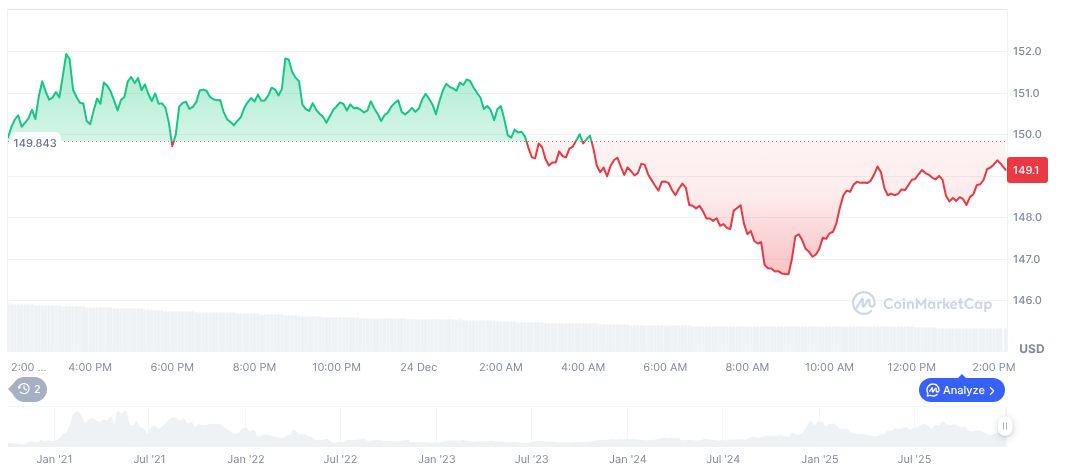
The Coincu research team notes that increased governance power through token accumulation poses potential risks in DeFi. They highlight past scenarios where similar actions have led to contentious decisions, emphasizing the importance of safeguarding minority stakeholder interests.
| DISCLAIMER: The information on this website is provided as general market commentary and does not constitute investment advice. We encourage you to do your own research before investing. |

No tags available.


Other Posts









- Amplify 2024: Ohio’s Premier Blockchain Summit
- Polymarket Announces U.S. Beta Relaunch Amid Market Buzz
- China, US Conclude Trade Talks with Focus on Cooperation
- Crypto Weekly: NYSE Backs OKX, Kraken Gets Fed Access, BTC Sells
- CELO holds as Celo reviews Opera 160M token claim
- DeriW Launches Edge Hour Trading Competition Platform for Derivatives Traders
- Michael Saylor Denies Bitcoin Sell-Off Amid Large BTC Transfer
- Court Upholds Fed’s Rejection of Custodia Bank’s Request
- EU Opens Antitrust Probe Into Deutsche Boerse and Nasdaq Derivatives Dealings
- Kazakhstan Explores Crypto Reserves Backed by National Funds
- JPMorgan Increases Holdings in BlackRock’s Bitcoin ETF
- Nordea Bank Introduces Bitcoin ETP Trading for Nordic Customers
- XRP Spot ETF Launches on Nasdaq Amid Market Fluctuations
- JPMorgan Chase Launches 24/7 Digital Deposit Token for Clients
- Crypto Leaders Address Macro Volatility Amid Market Shifts
- Former CFO Convicted for $35M Fraudulent Crypto Investment
- Peter Schiff Challenges Michael Saylor on MSTR’s Business Model
- Thailand Orders Worldcoin to Delete 1.2 Million Biometric Records
- UK Proposes New DeFi Tax Framework to Ease User Burden
- U.S. Treasury Proposes New Tax Relief Regulations
- Amplify 2024: Ohio’s Premier Blockchain Summit
- Polymarket Announces U.S. Beta Relaunch Amid Market Buzz
- China, US Conclude Trade Talks with Focus on Cooperation
- Crypto Weekly: NYSE Backs OKX, Kraken Gets Fed Access, BTC Sells
- CELO holds as Celo reviews Opera 160M token claim
- DeriW Launches Edge Hour Trading Competition Platform for Derivatives Traders
- Michael Saylor Denies Bitcoin Sell-Off Amid Large BTC Transfer
- Court Upholds Fed’s Rejection of Custodia Bank’s Request
- EU Opens Antitrust Probe Into Deutsche Boerse and Nasdaq Derivatives Dealings
- Kazakhstan Explores Crypto Reserves Backed by National Funds
- JPMorgan Increases Holdings in BlackRock’s Bitcoin ETF
- Nordea Bank Introduces Bitcoin ETP Trading for Nordic Customers
- XRP Spot ETF Launches on Nasdaq Amid Market Fluctuations
- JPMorgan Chase Launches 24/7 Digital Deposit Token for Clients
- Crypto Leaders Address Macro Volatility Amid Market Shifts
- Former CFO Convicted for $35M Fraudulent Crypto Investment
- Peter Schiff Challenges Michael Saylor on MSTR’s Business Model
- Thailand Orders Worldcoin to Delete 1.2 Million Biometric Records
- UK Proposes New DeFi Tax Framework to Ease User Burden
- U.S. Treasury Proposes New Tax Relief Regulations
- Amplify 2024: Ohio’s Premier Blockchain Summit
- Polymarket Announces U.S. Beta Relaunch Amid Market Buzz
- China, US Conclude Trade Talks with Focus on Cooperation
- Crypto Weekly: NYSE Backs OKX, Kraken Gets Fed Access, BTC Sells
- CELO holds as Celo reviews Opera 160M token claim
- DeriW Launches Edge Hour Trading Competition Platform for Derivatives Traders
- Michael Saylor Denies Bitcoin Sell-Off Amid Large BTC Transfer
- Court Upholds Fed’s Rejection of Custodia Bank’s Request
- EU Opens Antitrust Probe Into Deutsche Boerse and Nasdaq Derivatives Dealings
- Kazakhstan Explores Crypto Reserves Backed by National Funds
- JPMorgan Increases Holdings in BlackRock’s Bitcoin ETF
- Nordea Bank Introduces Bitcoin ETP Trading for Nordic Customers
- XRP Spot ETF Launches on Nasdaq Amid Market Fluctuations
- JPMorgan Chase Launches 24/7 Digital Deposit Token for Clients
- Crypto Leaders Address Macro Volatility Amid Market Shifts
- Former CFO Convicted for $35M Fraudulent Crypto Investment
- Peter Schiff Challenges Michael Saylor on MSTR’s Business Model
- Thailand Orders Worldcoin to Delete 1.2 Million Biometric Records
- UK Proposes New DeFi Tax Framework to Ease User Burden
- U.S. Treasury Proposes New Tax Relief Regulations
Latest

Katana Network (KAT) Jumped 55% in 24 Hours, These 5 On-Chain Signals Explain Why

Press Release

HOYA BIT Becomes World’s First BSI ISO 14068-1 Certified Carbon-Neutral Crypto Exchange

SafeBets Introduces New Prediction Platform at Industry Conference
