- Bitmain reduces prices on S19 and S21 models due to market demand.
- Price cuts reflect responses to declining hash prices and competition.
- Impact on crypto market profitability and equipment demand observed.
Bitmain has reduced prices for its S19 and S21 Bitcoin miners significantly amid declining hash prices and increased competition, BlockBeats News reported on December 27th.
This move may impact miner profits and competition in the Bitcoin mining hardware market, as margins tighten with current hash rates and Bitcoin price fluctuations.
Major Price Drop as Miners Hit $3 per TH/s
Bitmain’s decision to cut prices to “fire sale” levels on its S19 and S21 models introduces significant change amidst ongoing market pressures. This strategic pricing adjustment follows recent decreases in Bitcoin’s hashprice, providing a necessary response to current conditions.
Implications of the change extend to increased market competition among ASIC manufacturers and sellers. With miners’ margins compressing, the necessity to move inventory grows critical. Bitmain’s internal pricing shows substantial cuts, with some models priced as low as $3 per terahash per second (TH/s).
Industry reactions to these price moves include scrutiny from market analysts, though direct statements from Bitmain or regulatory bodies remain absent. Any major pronouncements on the long-term effects of this strategy are anticipated from crypto market observers.
Did You Know?
Did you know? Bitmain previously conducted auction-style sales of its mining equipment to tackle inventory challenges, establishing a pattern of preemptive price adjustments before launching new models.
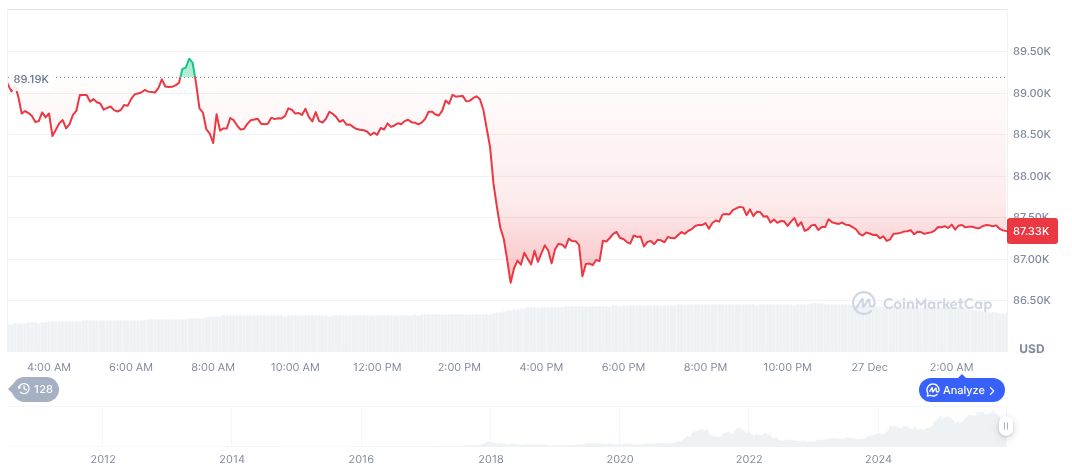
As per CoinMarketCap, Bitcoin’s current price stands at $87,465.30, with a market cap of $1.75 trillion. The trading volume over 24 hours reflects a slight 1.51% decrease, indicating subdued market activity. Over the past 60 days, Bitcoin prices have declined by 23.44%, as of December 27, 2025.
Experts from Coincu suggest that the broader implications of Bitmain’s decision will hinge on regulatory changes and technological advancements in chip efficiency. Future shifts in energy cost structures could further influence market dynamics, adding pressure to innovate and adapt.
| DISCLAIMER: The information on this website is provided as general market commentary and does not constitute investment advice. We encourage you to do your own research before investing. |
No tags available.


Other Posts








- Amplify 2024: Ohio’s Premier Blockchain Summit
- China, US Conclude Trade Talks with Focus on Cooperation
- Crypto Weekly: NYSE Backs OKX, Kraken Gets Fed Access, BTC Sells
- DeriW Launches Edge Hour Trading Competition Platform for Derivatives Traders
- Michael Saylor Denies Bitcoin Sell-Off Amid Large BTC Transfer
- Court Upholds Fed’s Rejection of Custodia Bank’s Request
- Former CFO Convicted for $35M Fraudulent Crypto Investment
- EU Opens Antitrust Probe Into Deutsche Boerse and Nasdaq Derivatives Dealings
- Kazakhstan Explores Crypto Reserves Backed by National Funds
- JPMorgan Increases Holdings in BlackRock’s Bitcoin ETF
- Nordea Bank Introduces Bitcoin ETP Trading for Nordic Customers
- XRP Spot ETF Launches on Nasdaq Amid Market Fluctuations
- JPMorgan Chase Launches 24/7 Digital Deposit Token for Clients
- Crypto Leaders Address Macro Volatility Amid Market Shifts
- Buy Dogecoin on eToro: Step-by-Step Guide for Beginners (2024)
- Peter Schiff Challenges Michael Saylor on MSTR’s Business Model
- Thailand Orders Worldcoin to Delete 1.2 Million Biometric Records
- UK Proposes New DeFi Tax Framework to Ease User Burden
- U.S. Treasury Proposes New Tax Relief Regulations
- Uniswap’s UNIfication Proposal Gains Massive Preliminary Support
- Amplify 2024: Ohio’s Premier Blockchain Summit
- China, US Conclude Trade Talks with Focus on Cooperation
- Crypto Weekly: NYSE Backs OKX, Kraken Gets Fed Access, BTC Sells
- DeriW Launches Edge Hour Trading Competition Platform for Derivatives Traders
- Michael Saylor Denies Bitcoin Sell-Off Amid Large BTC Transfer
- Court Upholds Fed’s Rejection of Custodia Bank’s Request
- Former CFO Convicted for $35M Fraudulent Crypto Investment
- EU Opens Antitrust Probe Into Deutsche Boerse and Nasdaq Derivatives Dealings
- Kazakhstan Explores Crypto Reserves Backed by National Funds
- JPMorgan Increases Holdings in BlackRock’s Bitcoin ETF
- Nordea Bank Introduces Bitcoin ETP Trading for Nordic Customers
- XRP Spot ETF Launches on Nasdaq Amid Market Fluctuations
- JPMorgan Chase Launches 24/7 Digital Deposit Token for Clients
- Crypto Leaders Address Macro Volatility Amid Market Shifts
- Buy Dogecoin on eToro: Step-by-Step Guide for Beginners (2024)
- Peter Schiff Challenges Michael Saylor on MSTR’s Business Model
- Thailand Orders Worldcoin to Delete 1.2 Million Biometric Records
- UK Proposes New DeFi Tax Framework to Ease User Burden
- U.S. Treasury Proposes New Tax Relief Regulations
- Uniswap’s UNIfication Proposal Gains Massive Preliminary Support
- Amplify 2024: Ohio’s Premier Blockchain Summit
- China, US Conclude Trade Talks with Focus on Cooperation
- Crypto Weekly: NYSE Backs OKX, Kraken Gets Fed Access, BTC Sells
- DeriW Launches Edge Hour Trading Competition Platform for Derivatives Traders
- Michael Saylor Denies Bitcoin Sell-Off Amid Large BTC Transfer
- Court Upholds Fed’s Rejection of Custodia Bank’s Request
- Former CFO Convicted for $35M Fraudulent Crypto Investment
- EU Opens Antitrust Probe Into Deutsche Boerse and Nasdaq Derivatives Dealings
- Kazakhstan Explores Crypto Reserves Backed by National Funds
- JPMorgan Increases Holdings in BlackRock’s Bitcoin ETF
- Nordea Bank Introduces Bitcoin ETP Trading for Nordic Customers
- XRP Spot ETF Launches on Nasdaq Amid Market Fluctuations
- JPMorgan Chase Launches 24/7 Digital Deposit Token for Clients
- Crypto Leaders Address Macro Volatility Amid Market Shifts
- Buy Dogecoin on eToro: Step-by-Step Guide for Beginners (2024)
- Peter Schiff Challenges Michael Saylor on MSTR’s Business Model
- Thailand Orders Worldcoin to Delete 1.2 Million Biometric Records
- UK Proposes New DeFi Tax Framework to Ease User Burden
- U.S. Treasury Proposes New Tax Relief Regulations
- Uniswap’s UNIfication Proposal Gains Massive Preliminary Support
Latest

Tiger Research: Korean Crypto Retail Participation Declines Ahead of 2026


U.S. Spot Bitcoin ETFs See $2.97B in Net Outflows Over 10 Straight Trading Days
Press Release

Eightco (NASDAQ: ORBS) Reports $374M Holdings Across OpenAI, WLD, ETH and Strategic Investments