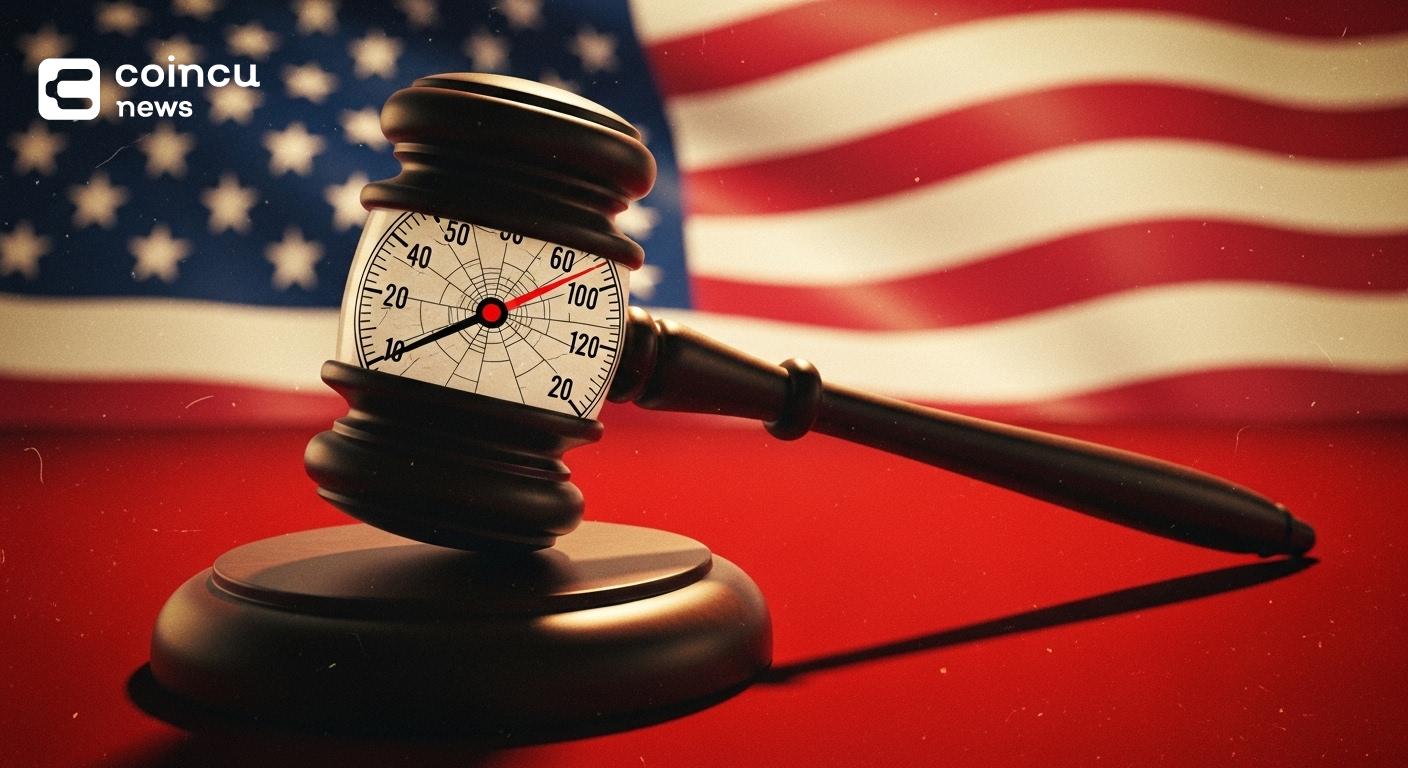
No consensus: some urge proceed, others demand delay
A high‑stakes split has opened over whether to hold Kevin Warsh’s nomination hearing while the U.S. Department of Justice conducts a probe into Jerome Powell. The two tracks are increasingly linked in Senate debate; some argue for continuity, others insist on delay to avoid politicizing oversight. Note: some headlines misspell Warsh as “Walsh.”
As reported by Bloomberg, Treasury Secretary Scott Bessent argues hearings should proceed even as the DOJ review continues, while, according to AOL, Banking Chair Tim Scott says he does not believe Powell committed a crime. Supporters of proceeding frame the hearing as normal order that should not be frozen by an unresolved investigation.
According to Newsmax, Senator Thom Tillis vows to block any Federal Reserve nominations until the investigation concludes, while MLex reports that Senator Elizabeth Warren and Democratic colleagues favor delaying Warsh’s hearing. These opposing approaches directly link confirmation timing to the status of the Powell inquiry.
Why it matters: Fed independence and market confidence
The timing decision bears directly on Federal Reserve independence and investor confidence in monetary governance. Delaying until the probe ends could reduce perceived political pressure, while moving ahead might signal that investigations cannot stall institutional staffing. Either path carries nontrivial signaling risks for markets focused on process stability.
Supporters of moving ahead cast blockade threats as economically harmful before the probe’s outcome is known. “Holding the economy hostage,” said Karoline Leavitt, White House Press Secretary, according to Fox News. The rhetoric highlights how confirmation timing can become a proxy for broader debates over credibility and norms.
Immediate impact: Senate timeline uncertain, procedural hurdles ahead
The Senate Banking Committee’s near‑term calendar remains uncertain amid cross‑pressures from delay demands and threats to block nominations. With the chair expressing skepticism that criminal wrongdoing occurred, but key senators insisting on a pause, the path to a hearing notice is unclear.
If leadership notices a hearing, objections may still slow committee action and any subsequent floor steps. If they wait on DOJ, the calendar could slip further. Either route keeps attention on institutional process rather than policy settings.
Senate procedure amid DOJ probe: timing scenarios
What the Senate Banking Committee can do next
The committee can schedule Warsh’s hearing while the Powell inquiry continues, reflecting those urging progress. It can pause until the DOJ concludes, as Democrats and Warren advocate. Or it can face the holds and objections promised by Tillis, which would impede movement even if a hearing is noticed.
Implications for Fed independence and market confidence
According to the Senate Banking Committee minority, questions about potential executive influence over Justice Department investigations have heightened oversight sensitivities. Linking confirmations to open probes risks blurring institutional lines. Proceeding despite probes, however, could be interpreted as minimizing accountability.
FAQ about Kevin Warsh nomination hearing
What are the main arguments for and against holding Warsh’s hearing while the Powell probe is ongoing?
Supporters say proceed to maintain continuity and avoid politicizing oversight. Opponents say delay to safeguard Federal Reserve independence and prevent perceived political pressure during an active DOJ review.
Where do key senators (Thom Tillis, Tim Scott, Elizabeth Warren) and the White House stand on the timing of Warsh’s hearing?
Tillis favors delay via a blockade; Tim Scott doubts criminality but urges caution; Warren urges delay; the White House backs proceeding and criticizes obstruction.
| DISCLAIMER: The information on this website is provided as general market commentary and does not constitute investment advice. We encourage you to do your own research before investing. |


Other Posts







- Amplify 2024: Ohio’s Premier Blockchain Summit
- Polymarket Announces U.S. Beta Relaunch Amid Market Buzz
- China, US Conclude Trade Talks with Focus on Cooperation
- Crypto Weekly: NYSE Backs OKX, Kraken Gets Fed Access, BTC Sells
- CELO holds as Celo reviews Opera 160M token claim
- DeriW Launches Edge Hour Trading Competition Platform for Derivatives Traders
- Michael Saylor Denies Bitcoin Sell-Off Amid Large BTC Transfer
- Court Upholds Fed’s Rejection of Custodia Bank’s Request
- EU Opens Antitrust Probe Into Deutsche Boerse and Nasdaq Derivatives Dealings
- Kazakhstan Explores Crypto Reserves Backed by National Funds
- JPMorgan Increases Holdings in BlackRock’s Bitcoin ETF
- Nordea Bank Introduces Bitcoin ETP Trading for Nordic Customers
- XRP Spot ETF Launches on Nasdaq Amid Market Fluctuations
- JPMorgan Chase Launches 24/7 Digital Deposit Token for Clients
- Crypto Leaders Address Macro Volatility Amid Market Shifts
- Former CFO Convicted for $35M Fraudulent Crypto Investment
- Peter Schiff Challenges Michael Saylor on MSTR’s Business Model
- Thailand Orders Worldcoin to Delete 1.2 Million Biometric Records
- UK Proposes New DeFi Tax Framework to Ease User Burden
- U.S. Treasury Proposes New Tax Relief Regulations
- Amplify 2024: Ohio’s Premier Blockchain Summit
- Polymarket Announces U.S. Beta Relaunch Amid Market Buzz
- China, US Conclude Trade Talks with Focus on Cooperation
- Crypto Weekly: NYSE Backs OKX, Kraken Gets Fed Access, BTC Sells
- CELO holds as Celo reviews Opera 160M token claim
- DeriW Launches Edge Hour Trading Competition Platform for Derivatives Traders
- Michael Saylor Denies Bitcoin Sell-Off Amid Large BTC Transfer
- Court Upholds Fed’s Rejection of Custodia Bank’s Request
- EU Opens Antitrust Probe Into Deutsche Boerse and Nasdaq Derivatives Dealings
- Kazakhstan Explores Crypto Reserves Backed by National Funds
- JPMorgan Increases Holdings in BlackRock’s Bitcoin ETF
- Nordea Bank Introduces Bitcoin ETP Trading for Nordic Customers
- XRP Spot ETF Launches on Nasdaq Amid Market Fluctuations
- JPMorgan Chase Launches 24/7 Digital Deposit Token for Clients
- Crypto Leaders Address Macro Volatility Amid Market Shifts
- Former CFO Convicted for $35M Fraudulent Crypto Investment
- Peter Schiff Challenges Michael Saylor on MSTR’s Business Model
- Thailand Orders Worldcoin to Delete 1.2 Million Biometric Records
- UK Proposes New DeFi Tax Framework to Ease User Burden
- U.S. Treasury Proposes New Tax Relief Regulations
- Amplify 2024: Ohio’s Premier Blockchain Summit
- Polymarket Announces U.S. Beta Relaunch Amid Market Buzz
- China, US Conclude Trade Talks with Focus on Cooperation
- Crypto Weekly: NYSE Backs OKX, Kraken Gets Fed Access, BTC Sells
- CELO holds as Celo reviews Opera 160M token claim
- DeriW Launches Edge Hour Trading Competition Platform for Derivatives Traders
- Michael Saylor Denies Bitcoin Sell-Off Amid Large BTC Transfer
- Court Upholds Fed’s Rejection of Custodia Bank’s Request
- EU Opens Antitrust Probe Into Deutsche Boerse and Nasdaq Derivatives Dealings
- Kazakhstan Explores Crypto Reserves Backed by National Funds
- JPMorgan Increases Holdings in BlackRock’s Bitcoin ETF
- Nordea Bank Introduces Bitcoin ETP Trading for Nordic Customers
- XRP Spot ETF Launches on Nasdaq Amid Market Fluctuations
- JPMorgan Chase Launches 24/7 Digital Deposit Token for Clients
- Crypto Leaders Address Macro Volatility Amid Market Shifts
- Former CFO Convicted for $35M Fraudulent Crypto Investment
- Peter Schiff Challenges Michael Saylor on MSTR’s Business Model
- Thailand Orders Worldcoin to Delete 1.2 Million Biometric Records
- UK Proposes New DeFi Tax Framework to Ease User Burden
- U.S. Treasury Proposes New Tax Relief Regulations
Latest

BTC Nears $76,291 as Major CEX Short Liquidation Risk Hits $1.057B


Press Release

Polkadot’s $145M Legacy vs. DOGEBALL’s Future: These are the Best Cryptos to Buy Now

Enhanced Secures $1M in Strategic Pre-Seed Funding to Bring Structured Yield to More Assets Onchain