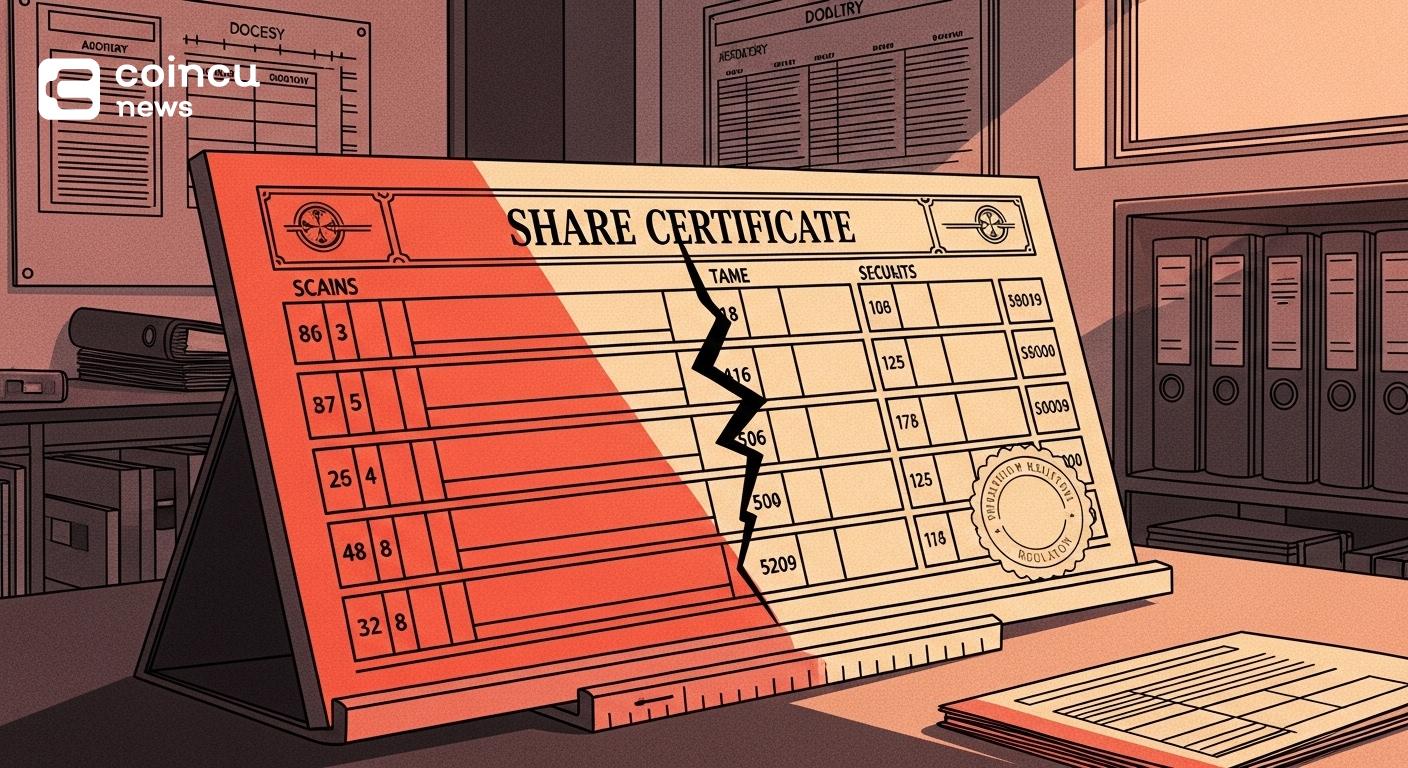
SEC will apply existing rules to tokenized securities
According to Norton Rose Fulbright’s analysis of the SEC’s Jan. 28, 2026 joint staff statement, tokenized securities are subject to the same federal securities laws regardless of the ledger or token format. The analysis notes the statement distinguishes issuer‑sponsored tokenization from third‑party or synthetic models, with the latter introducing counterparty and insolvency risks that do not displace core obligations.
Cooley LLP characterizes the posture as effectively “new plumbing, same rules,” meaning tokenization does not alter whether an instrument is a security or change baseline issuer and intermediary responsibilities. In practice, this framing directs market participants to map blockchain-based issuance, trading, and recordkeeping to existing regulatory categories rather than seek bespoke treatment.
For issuers, brokers, custodians, and transfer agents, the immediate takeaway is that the medium of record does not reset statutory duties. The task is integration: aligning smart-contract workflows, wallet controls, and on-chain settlement with existing compliance, surveillance, and investor-protection expectations.
Why technology-neutral regulation matters for tokenization
Technology-neutral regulation reduces incentives for form-over-substance structuring and helps prevent regulatory arbitrage across legacy and blockchain rails. As reported by Decrypt’s Andrew Rossow, neutrality in classification can still mask non-neutral operational rules, where transfer mechanics and record-recognition presumptions favor legacy systems.
Clarity on legal status allows firms to plan disclosures, controls, and operational architecture without second-guessing the instrument’s category. The residual work is implementation, establishing how on-chain books and records, control agreements, and settlement instructions satisfy longstanding rule texts.
Immediate implications for registration, disclosure, and custody
Greenberg Traurig’s summary indicates registration and disclosure requirements remain unchanged: public offerings still require Securities Act registration, and ongoing reporting obligations persist for public companies. For equity tokens, transfer agent functions continue to matter, including accurate shareholder records and corporate actions that reflect the on-chain ledger.
Custody expectations continue to apply to brokers and qualified custodians, including control, segregation, and reconciliation consistent with existing frameworks. Firms should be prepared to evidence how wallet governance, key management, and settlement finality satisfy books-and-records and safeguarding standards.
At the time of this writing, Coinbase Global, Inc. (COIN) showed a pre-market price of 226.50, based on data from Nasdaq. Market levels provide context for industry interest but do not affect the applicability of the rules.
Rulemaking beyond the enforcement-led approach
Notice-and-comment expectations versus no-action or exemptive relief
Market participants increasingly look to formal rulemaking when significant adjustments to market plumbing are contemplated. “The SEC’s past crypto enforcement approach [was] really a disaster for the whole industry,” said Mark T. Uyeda, Commissioner, as reported by Fox Business.
According to the Securities Industry and Financial Markets Association (SIFMA), durable changes should proceed through notice-and-comment rulemaking rather than broad no-action or exemptive relief. Their concern centers on preserving investor protections and fair, orderly, and efficient markets when adapting infrastructure for tokenized equities.
Operational gaps to address: custody, transfer agents, ledgers
Operational alignment remains the chief gap: who holds control over tokenized positions, how loss events are handled, and how transfer restrictions are enforced on-chain without breaking liquidity. Firms will need robust key governance, auditable controls, and reconciliation across smart contracts and traditional systems.
Recognition of the authoritative ledger also matters. Where state corporate law, transfer agency functions, and exchange rules presume centralized books, projects may require explicit procedures to deem on-chain records the official source of truth.
FAQ about tokenized securities
How does the SEC’s 2026 joint/staff statement affect custody, disclosure, and transfer agent requirements for tokenized equities?
It clarifies these obligations still apply. Issuers maintain disclosures, custodians evidence control and segregation, and transfer agents uphold accurate ownership and corporate actions, regardless of on-chain or off-chain records.
What is Commissioner Mark Uyeda’s critique of an enforcement-led approach to crypto and tokenization?
He argues enforcement-first policymaking created uncertainty. His public remarks favor predictable, technology-neutral frameworks developed through transparent guidance and, where needed, formal rulemaking.
| DISCLAIMER: The information on this website is provided as general market commentary and does not constitute investment advice. We encourage you to do your own research before investing. |


Other Posts









- Amplify 2024: Ohio’s Premier Blockchain Summit
- Polymarket Announces U.S. Beta Relaunch Amid Market Buzz
- China, US Conclude Trade Talks with Focus on Cooperation
- Crypto Weekly: NYSE Backs OKX, Kraken Gets Fed Access, BTC Sells
- CELO holds as Celo reviews Opera 160M token claim
- DeriW Launches Edge Hour Trading Competition Platform for Derivatives Traders
- Michael Saylor Denies Bitcoin Sell-Off Amid Large BTC Transfer
- Court Upholds Fed’s Rejection of Custodia Bank’s Request
- EU Opens Antitrust Probe Into Deutsche Boerse and Nasdaq Derivatives Dealings
- Kazakhstan Explores Crypto Reserves Backed by National Funds
- JPMorgan Increases Holdings in BlackRock’s Bitcoin ETF
- Nordea Bank Introduces Bitcoin ETP Trading for Nordic Customers
- XRP Spot ETF Launches on Nasdaq Amid Market Fluctuations
- JPMorgan Chase Launches 24/7 Digital Deposit Token for Clients
- Crypto Leaders Address Macro Volatility Amid Market Shifts
- Former CFO Convicted for $35M Fraudulent Crypto Investment
- Peter Schiff Challenges Michael Saylor on MSTR’s Business Model
- Thailand Orders Worldcoin to Delete 1.2 Million Biometric Records
- UK Proposes New DeFi Tax Framework to Ease User Burden
- U.S. Treasury Proposes New Tax Relief Regulations
- Amplify 2024: Ohio’s Premier Blockchain Summit
- Polymarket Announces U.S. Beta Relaunch Amid Market Buzz
- China, US Conclude Trade Talks with Focus on Cooperation
- Crypto Weekly: NYSE Backs OKX, Kraken Gets Fed Access, BTC Sells
- CELO holds as Celo reviews Opera 160M token claim
- DeriW Launches Edge Hour Trading Competition Platform for Derivatives Traders
- Michael Saylor Denies Bitcoin Sell-Off Amid Large BTC Transfer
- Court Upholds Fed’s Rejection of Custodia Bank’s Request
- EU Opens Antitrust Probe Into Deutsche Boerse and Nasdaq Derivatives Dealings
- Kazakhstan Explores Crypto Reserves Backed by National Funds
- JPMorgan Increases Holdings in BlackRock’s Bitcoin ETF
- Nordea Bank Introduces Bitcoin ETP Trading for Nordic Customers
- XRP Spot ETF Launches on Nasdaq Amid Market Fluctuations
- JPMorgan Chase Launches 24/7 Digital Deposit Token for Clients
- Crypto Leaders Address Macro Volatility Amid Market Shifts
- Former CFO Convicted for $35M Fraudulent Crypto Investment
- Peter Schiff Challenges Michael Saylor on MSTR’s Business Model
- Thailand Orders Worldcoin to Delete 1.2 Million Biometric Records
- UK Proposes New DeFi Tax Framework to Ease User Burden
- U.S. Treasury Proposes New Tax Relief Regulations
- Amplify 2024: Ohio’s Premier Blockchain Summit
- Polymarket Announces U.S. Beta Relaunch Amid Market Buzz
- China, US Conclude Trade Talks with Focus on Cooperation
- Crypto Weekly: NYSE Backs OKX, Kraken Gets Fed Access, BTC Sells
- CELO holds as Celo reviews Opera 160M token claim
- DeriW Launches Edge Hour Trading Competition Platform for Derivatives Traders
- Michael Saylor Denies Bitcoin Sell-Off Amid Large BTC Transfer
- Court Upholds Fed’s Rejection of Custodia Bank’s Request
- EU Opens Antitrust Probe Into Deutsche Boerse and Nasdaq Derivatives Dealings
- Kazakhstan Explores Crypto Reserves Backed by National Funds
- JPMorgan Increases Holdings in BlackRock’s Bitcoin ETF
- Nordea Bank Introduces Bitcoin ETP Trading for Nordic Customers
- XRP Spot ETF Launches on Nasdaq Amid Market Fluctuations
- JPMorgan Chase Launches 24/7 Digital Deposit Token for Clients
- Crypto Leaders Address Macro Volatility Amid Market Shifts
- Former CFO Convicted for $35M Fraudulent Crypto Investment
- Peter Schiff Challenges Michael Saylor on MSTR’s Business Model
- Thailand Orders Worldcoin to Delete 1.2 Million Biometric Records
- UK Proposes New DeFi Tax Framework to Ease User Burden
- U.S. Treasury Proposes New Tax Relief Regulations
Latest



Press Release
Printr Launches V2 Platform Update With Five Fee Models and On-Chain Proof of Belief Staking
Could DOGEBALL Outpace the Ark ROI? Analyzing the Top Meme Coin Presales This Week