Hyperliquid HIP-3 $5.2B record on silver perpetuals surge
Hyperliquid’s HIP-3 permissionless perpetual markets recorded $5.2 billion in single-day trading volume on February 5, 2026, as reported by The Block. The milestone, the highest since HIP-3 launched in October 2025, was led by a precious metals boom.
In the same report, builder-deployed market TradeXYZ accounted for nearly 90% of HIP-3 activity. Silver perpetuals alone generated about $4.09 billion, roughly 68% of that day’s total, highlighting concentrated flows in commodity-linked contracts.
What HIP-3 permissionless perps are on Hyperliquid
HIP-3 is Hyperliquid’s framework for permissionless listing of perpetual futures, where third-party builders can deploy markets. This has enabled rapid expansion into real‑world‑asset exposures such as gold, silver, and select equities.
Operationally, permissionless listings allow faster time-to-market for new contracts while shifting discovery and liquidity bootstrapping to builders. The design can accelerate growth but also concentrates liquidity and risk in the markets that attract the most flow.
Immediate impacts: TradeXYZ share, liquidations, liquidity signals
The $5.2 billion day showed exceptional concentration: TradeXYZ captured nearly 90% of HIP-3 volume and silver perps comprised the majority. Such dominance can lift liquidity in the short term but introduces single-venue and single-market dependencies.
According to Bitget News, metals-linked volatility coincided with about $71 million of forced liquidations across roughly 3,200 users during one stretch. This underscores the downside risks of leveraged commodity exposure on on‑chain derivatives venues.
AInvest noted that silver trading volumes on Hyperliquid remained elevated, including multi‑billion‑dollar days, even as metals prices fell. The figures indicate that price declines amplified hedging and speculative flows rather than suppressing activity.
Liquidity and exchange comparisons: Binance and Coinbase context
Spreads and depth claims: BTC perps on Hyperliquid vs Binance
CoinCentral reported that Hyperliquid’s leadership contrasted BTC perpetuals microstructure with Binance, citing roughly a $1 spread versus about $5.50 and deeper displayed depth (around 140 BTC vs. 80 BTC). “Hyperliquid has become the most liquid venue for crypto‑price discovery in the world,” said Jeff Yan, CEO, via CoinCentral.
Notional volume: HIP-3 daily $5.2B; YTD vs Coinbase (Artemis)
Based on data from Artemis on February 9, year‑to‑date notional trading volume reached about $2.6 trillion on Hyperliquid, nearly double Coinbase’s approximately $1.4 trillion. The scale reflects the prominence of high‑leverage perpetuals in current market structure.
FinanceFeeds has separately highlighted days when Hyperliquid’s daily trading volumes outpaced Coinbase, signaling a shift in liquidity preferences. At the time of this writing, CME Group Inc. (CME) traded near $303 after hours, per Nasdaq real‑time price data; this is provided as contextual background on traditional market activity.
FAQ about Hyperliquid HIP-3 permissionless perps
What catalysts drove the $5.2 billion single-day volume, especially in silver, and is the activity sustainable?
The Block attributes the spike to metals volatility, with TradeXYZ’s silver perps dominant. Sustainability depends on continued metals swings and liquidity concentration; no assurance is implied.
How do Hyperliquid’s spreads and order-book depth compare with Binance and Coinbase?
CoinCentral cites a ~$1 BTC‑perps spread and deeper depth versus Binance’s ~$5.50. Artemis shows Hyperliquid’s YTD notional volume nearly doubles Coinbase’s as of February 9.
| DISCLAIMER: The information on this website is provided as general market commentary and does not constitute investment advice. We encourage you to do your own research before investing. |


Other Posts








- China, US Conclude Trade Talks with Focus on Cooperation
- Crypto Weekly: NYSE Backs OKX, Kraken Gets Fed Access, BTC Sells
- Court Upholds Fed’s Rejection of Custodia Bank’s Request
- Former CFO Convicted for $35M Fraudulent Crypto Investment
- DeriW Launches Edge Hour Trading Competition Platform for Derivatives Traders
- Michael Saylor Denies Bitcoin Sell-Off Amid Large BTC Transfer
- Buy Dogecoin on eToro: Step-by-Step Guide for Beginners (2024)
- Kazakhstan Explores Crypto Reserves Backed by National Funds
- JPMorgan Increases Holdings in BlackRock’s Bitcoin ETF
- Nordea Bank Introduces Bitcoin ETP Trading for Nordic Customers
- XRP Spot ETF Launches on Nasdaq Amid Market Fluctuations
- Peter Schiff Challenges Michael Saylor on MSTR’s Business Model
- Thailand Orders Worldcoin to Delete 1.2 Million Biometric Records
- UK Proposes New DeFi Tax Framework to Ease User Burden
- WLFI Under Fire: Analyst Warns Hyperliquid Could Be Next
- Ancient Ethereum Whale Moves $1.19 Billion After Decade
- BlackRock Receives Large Crypto Transfers from Coinbase
- SEC Scrutiny on ALT5 Sigma’s Leadership Disclosure Timing
- Yala Injects $5.5 Million Amid Recovery Efforts
- Radiant Capital Faces $50M Loss in Major Security Breach
- China, US Conclude Trade Talks with Focus on Cooperation
- Crypto Weekly: NYSE Backs OKX, Kraken Gets Fed Access, BTC Sells
- Court Upholds Fed’s Rejection of Custodia Bank’s Request
- Former CFO Convicted for $35M Fraudulent Crypto Investment
- DeriW Launches Edge Hour Trading Competition Platform for Derivatives Traders
- Michael Saylor Denies Bitcoin Sell-Off Amid Large BTC Transfer
- Buy Dogecoin on eToro: Step-by-Step Guide for Beginners (2024)
- Kazakhstan Explores Crypto Reserves Backed by National Funds
- JPMorgan Increases Holdings in BlackRock’s Bitcoin ETF
- Nordea Bank Introduces Bitcoin ETP Trading for Nordic Customers
- XRP Spot ETF Launches on Nasdaq Amid Market Fluctuations
- Peter Schiff Challenges Michael Saylor on MSTR’s Business Model
- Thailand Orders Worldcoin to Delete 1.2 Million Biometric Records
- UK Proposes New DeFi Tax Framework to Ease User Burden
- WLFI Under Fire: Analyst Warns Hyperliquid Could Be Next
- Ancient Ethereum Whale Moves $1.19 Billion After Decade
- BlackRock Receives Large Crypto Transfers from Coinbase
- SEC Scrutiny on ALT5 Sigma’s Leadership Disclosure Timing
- Yala Injects $5.5 Million Amid Recovery Efforts
- Radiant Capital Faces $50M Loss in Major Security Breach
- China, US Conclude Trade Talks with Focus on Cooperation
- Crypto Weekly: NYSE Backs OKX, Kraken Gets Fed Access, BTC Sells
- Court Upholds Fed’s Rejection of Custodia Bank’s Request
- Former CFO Convicted for $35M Fraudulent Crypto Investment
- DeriW Launches Edge Hour Trading Competition Platform for Derivatives Traders
- Michael Saylor Denies Bitcoin Sell-Off Amid Large BTC Transfer
- Buy Dogecoin on eToro: Step-by-Step Guide for Beginners (2024)
- Kazakhstan Explores Crypto Reserves Backed by National Funds
- JPMorgan Increases Holdings in BlackRock’s Bitcoin ETF
- Nordea Bank Introduces Bitcoin ETP Trading for Nordic Customers
- XRP Spot ETF Launches on Nasdaq Amid Market Fluctuations
- Peter Schiff Challenges Michael Saylor on MSTR’s Business Model
- Thailand Orders Worldcoin to Delete 1.2 Million Biometric Records
- UK Proposes New DeFi Tax Framework to Ease User Burden
- WLFI Under Fire: Analyst Warns Hyperliquid Could Be Next
- Ancient Ethereum Whale Moves $1.19 Billion After Decade
- BlackRock Receives Large Crypto Transfers from Coinbase
- SEC Scrutiny on ALT5 Sigma’s Leadership Disclosure Timing
- Yala Injects $5.5 Million Amid Recovery Efforts
- Radiant Capital Faces $50M Loss in Major Security Breach

Minnesota Prediction Market Ban Paused for Kalshi and Polymarket


TradeXYZ Contributed $215K to $241.8K of Hyperliquid Revenue in 24 Hours
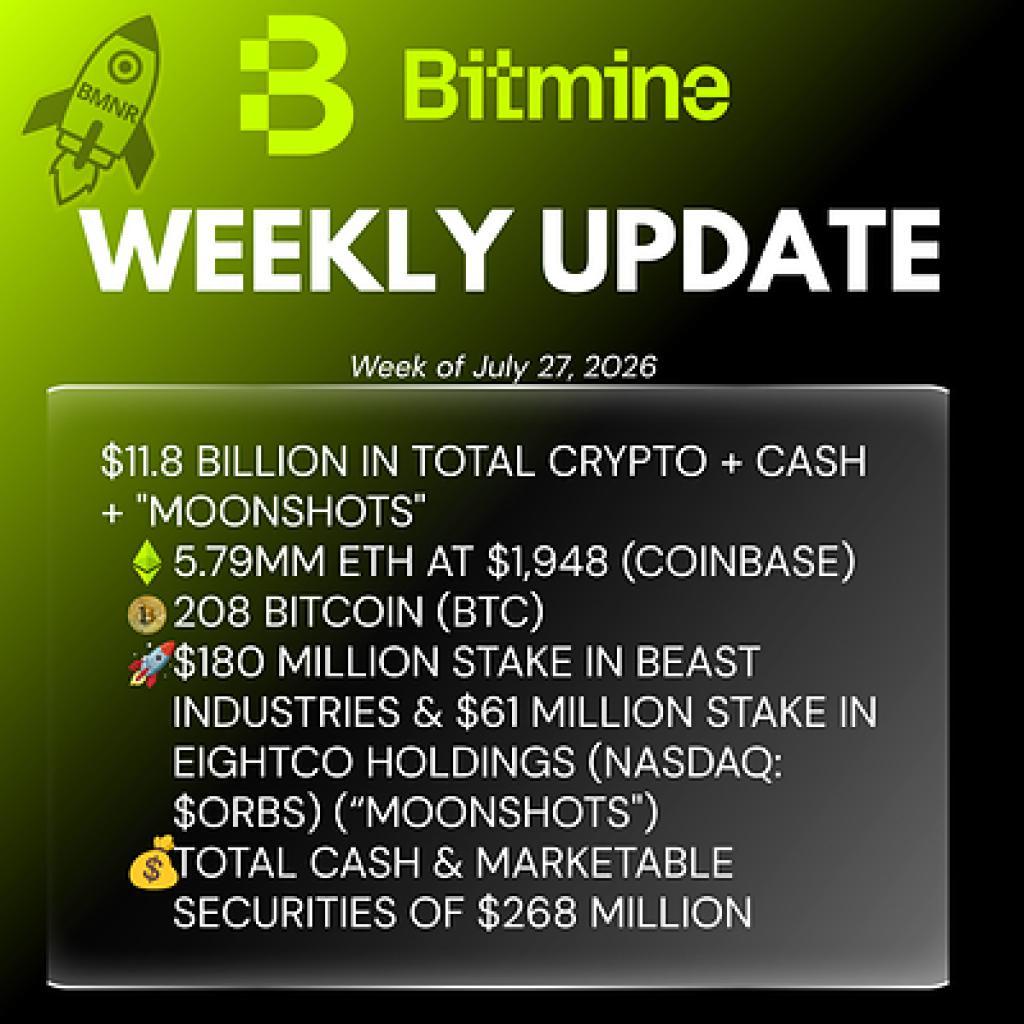
Bitmine Immersion Technologies (BMNR) Announces ETH Holdings Reach 5.79 Million Tokens, and Total Crypto and Total Cash Holdings of $11.8 Billion
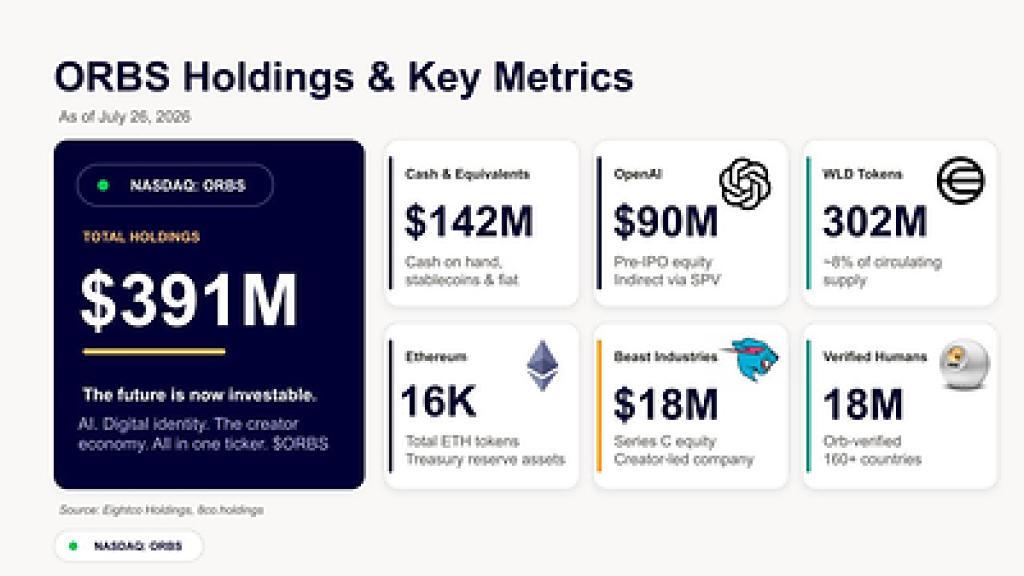
Eightco Holdings (NASDAQ: ORBS) Announces its Participation in World Foundation’s $52.5M funding round as World Shifts From Building the Network to Scaling Utility