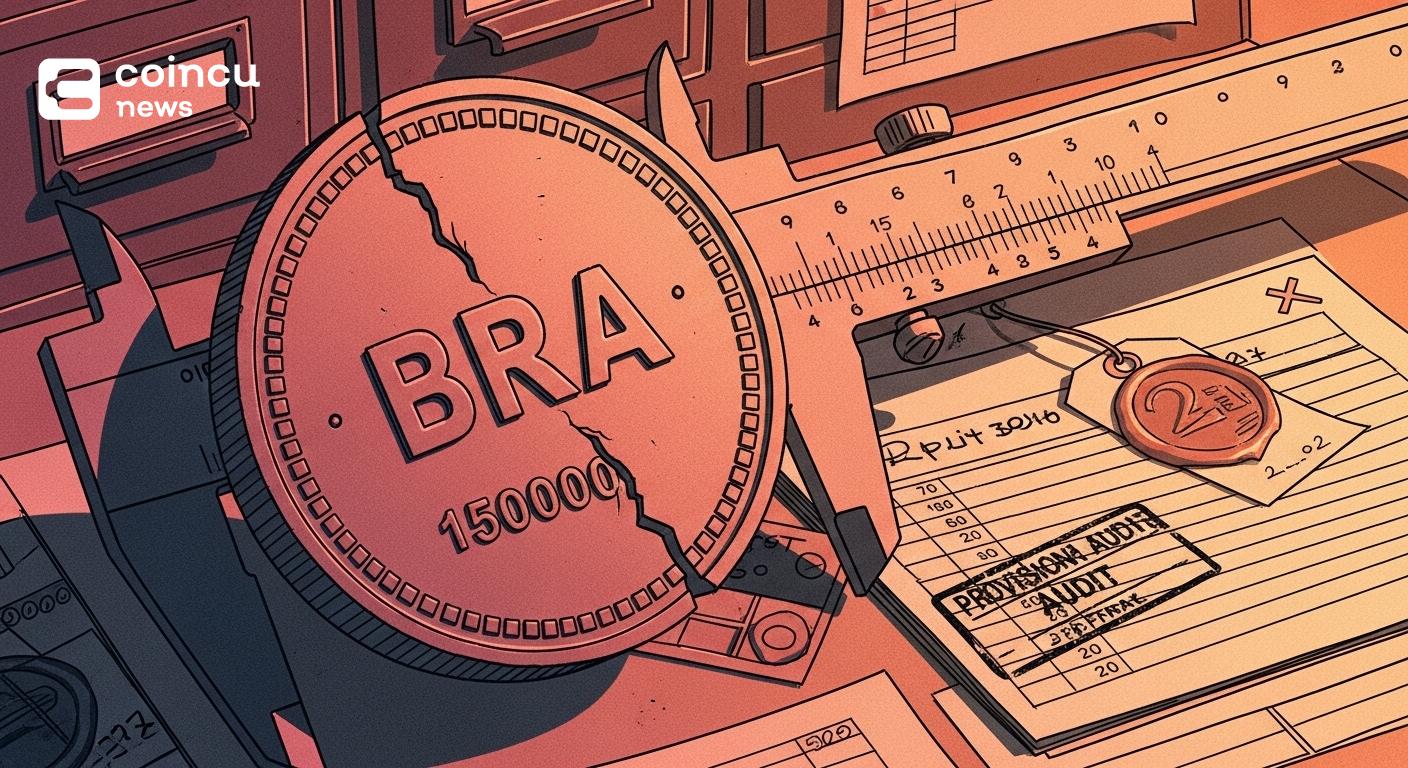
No proof a whale made $638,000 in one hour shorting BRA
There is no verifiable evidence that a whale made $638,000 in one hour by shorting BRA. The claim remains uncorroborated by recognized analytics providers or mainstream financial reporting. The asset reference “BRA” is ambiguous and could denote a token ticker, a synthetic symbol, or a mislabel.
Without a confirmed contract address, exchange venue, or traceable on-chain trail, the statement cannot be validated. Assertions that a whale shorted BRA and made $638,000 in one hour should be treated as unverified until underlying data are produced.
What the whale shorted BRA claim entails and asset ambiguity
A whale short implies borrowing or opening a leveraged short position against an identified asset, then closing profitably as price falls. This typically leaves a discoverable footprint in derivatives order books, funding payments, collateral movements, or settlement transactions.
“BRA” could refer to a token symbol on a specific chain, a perpetual swap market code, or a mis-typed ticker. Absent a chain, contract ID, or exchange listing, investigators cannot match positions, prices, or PnL to a specific instrument.
Why this claim matters and immediate steps to verify now
Large, rapid PnL claims can influence retail behavior and liquidity conditions. If inaccurate, they can distort risk perceptions and invite copycat strategies in thin markets.
Immediate verification steps include pinpointing the correct asset, locating the trading venue, and reconciling transactions with order-book prints and timestamped prices. Only when position sizing, entry/exit, and fees are traceable should profit claims be considered credible.
How to verify with Nansen, Etherscan, and on-chain analytics
Begin by identifying the precise asset referenced in the heading’s named tools. Confirm the token contract, chain, and deployer, then map any labelled entities and funding flows that could reflect a short setup or unwind.
If the instrument was a perpetual contract, link the wallet’s collateral movements to the derivatives venue’s timestamps. Reconcile funding payments, liquidations, or realized PnL with observed price moves during the stated hour.
“As a monitoring service explains, ‘The Whale Alert dashboard is the only tool you need to stay up to date with important crypto transactions, live analytics and breaking news,’” said Whale Alert. Use such dashboards alongside raw explorers to avoid relying on social posts alone.
On-chain analytics verification steps across explorers, DEX/CEX, and funding
Locate the token’s contract page on the relevant explorer named above and verify the symbol, supply, holders, and recent transfers. Cross-check that the contract is verified and not a lookalike.
Trace funding of the suspected whale address: stablecoin inflows to margin wallets, collateral deposits, and subsequent withdrawals. Match these to exchange-reported prints for the same minute-by-minute window.
If the short used a DEX, inspect the router and pool interactions for swaps that would synthetically short via inverse exposure. For CEX perps, compare claimed position sizes to venue open interest and liquidation feeds for consistency.
Compute PnL using observed entry and exit timestamps, not spot swings. Account for funding, fees, and slippage. Profits that exceed feasible venue liquidity or available collateral are a red flag.
Red flags: misnamed tickers, low liquidity, impersonation, missing data
Ticker collisions and mis-typed symbols can misdirect searches, especially across chains. Illiquid pairs can’t support large, fast exits without visible impact.
Impersonation of analytics accounts and unlabeled wallet screenshots are common. Missing contract IDs, absent order-book evidence, or unverifiable timestamps undermine the claim.
FAQ about whale shorted BRA
What is the BRA asset (token or ticker), and on which exchanges or chains is it traded?
The reference is unclear. A valid contract address, chain, and venue are not identified, so the instrument behind “BRA” cannot be confirmed.
How can I verify a claimed whale short and profit using on-chain data and orderbook records?
Match a labeled wallet’s collateral flows to exchange timestamps, confirm contract details, and reconcile entries, exits, fees, and funding with order-book prints.
According to Yahoo Finance UK, some market data and macro releases were delayed at the time referenced. Delays can affect the timeliness of price checks when reconstructing trade windows.
As reported by Lookonchain, on-chain researchers track whale flows across major networks and publish labeled address activity. Such labeling helps contextualize large transfers linked to trading events.
| DISCLAIMER: The information on this website is provided as general market commentary and does not constitute investment advice. We encourage you to do your own research before investing. |


Other Posts









- Amplify 2024: Ohio’s Premier Blockchain Summit
- Polymarket Announces U.S. Beta Relaunch Amid Market Buzz
- China, US Conclude Trade Talks with Focus on Cooperation
- Crypto Weekly: NYSE Backs OKX, Kraken Gets Fed Access, BTC Sells
- CELO holds as Celo reviews Opera 160M token claim
- DeriW Launches Edge Hour Trading Competition Platform for Derivatives Traders
- Michael Saylor Denies Bitcoin Sell-Off Amid Large BTC Transfer
- Court Upholds Fed’s Rejection of Custodia Bank’s Request
- EU Opens Antitrust Probe Into Deutsche Boerse and Nasdaq Derivatives Dealings
- Kazakhstan Explores Crypto Reserves Backed by National Funds
- JPMorgan Increases Holdings in BlackRock’s Bitcoin ETF
- Nordea Bank Introduces Bitcoin ETP Trading for Nordic Customers
- XRP Spot ETF Launches on Nasdaq Amid Market Fluctuations
- JPMorgan Chase Launches 24/7 Digital Deposit Token for Clients
- Crypto Leaders Address Macro Volatility Amid Market Shifts
- Former CFO Convicted for $35M Fraudulent Crypto Investment
- Peter Schiff Challenges Michael Saylor on MSTR’s Business Model
- Thailand Orders Worldcoin to Delete 1.2 Million Biometric Records
- UK Proposes New DeFi Tax Framework to Ease User Burden
- U.S. Treasury Proposes New Tax Relief Regulations
- Amplify 2024: Ohio’s Premier Blockchain Summit
- Polymarket Announces U.S. Beta Relaunch Amid Market Buzz
- China, US Conclude Trade Talks with Focus on Cooperation
- Crypto Weekly: NYSE Backs OKX, Kraken Gets Fed Access, BTC Sells
- CELO holds as Celo reviews Opera 160M token claim
- DeriW Launches Edge Hour Trading Competition Platform for Derivatives Traders
- Michael Saylor Denies Bitcoin Sell-Off Amid Large BTC Transfer
- Court Upholds Fed’s Rejection of Custodia Bank’s Request
- EU Opens Antitrust Probe Into Deutsche Boerse and Nasdaq Derivatives Dealings
- Kazakhstan Explores Crypto Reserves Backed by National Funds
- JPMorgan Increases Holdings in BlackRock’s Bitcoin ETF
- Nordea Bank Introduces Bitcoin ETP Trading for Nordic Customers
- XRP Spot ETF Launches on Nasdaq Amid Market Fluctuations
- JPMorgan Chase Launches 24/7 Digital Deposit Token for Clients
- Crypto Leaders Address Macro Volatility Amid Market Shifts
- Former CFO Convicted for $35M Fraudulent Crypto Investment
- Peter Schiff Challenges Michael Saylor on MSTR’s Business Model
- Thailand Orders Worldcoin to Delete 1.2 Million Biometric Records
- UK Proposes New DeFi Tax Framework to Ease User Burden
- U.S. Treasury Proposes New Tax Relief Regulations
- Amplify 2024: Ohio’s Premier Blockchain Summit
- Polymarket Announces U.S. Beta Relaunch Amid Market Buzz
- China, US Conclude Trade Talks with Focus on Cooperation
- Crypto Weekly: NYSE Backs OKX, Kraken Gets Fed Access, BTC Sells
- CELO holds as Celo reviews Opera 160M token claim
- DeriW Launches Edge Hour Trading Competition Platform for Derivatives Traders
- Michael Saylor Denies Bitcoin Sell-Off Amid Large BTC Transfer
- Court Upholds Fed’s Rejection of Custodia Bank’s Request
- EU Opens Antitrust Probe Into Deutsche Boerse and Nasdaq Derivatives Dealings
- Kazakhstan Explores Crypto Reserves Backed by National Funds
- JPMorgan Increases Holdings in BlackRock’s Bitcoin ETF
- Nordea Bank Introduces Bitcoin ETP Trading for Nordic Customers
- XRP Spot ETF Launches on Nasdaq Amid Market Fluctuations
- JPMorgan Chase Launches 24/7 Digital Deposit Token for Clients
- Crypto Leaders Address Macro Volatility Amid Market Shifts
- Former CFO Convicted for $35M Fraudulent Crypto Investment
- Peter Schiff Challenges Michael Saylor on MSTR’s Business Model
- Thailand Orders Worldcoin to Delete 1.2 Million Biometric Records
- UK Proposes New DeFi Tax Framework to Ease User Burden
- U.S. Treasury Proposes New Tax Relief Regulations
Latest

X Launches Cashtags for Real-Time Stock and Crypto Quotes, Wealthsimple Pilot Access

Press Release

Printr Launches V2 Platform Update With Five Fee Models and On-Chain Proof of Belief Staking
Could DOGEBALL Outpace the Ark ROI? Analyzing the Top Meme Coin Presales This Week