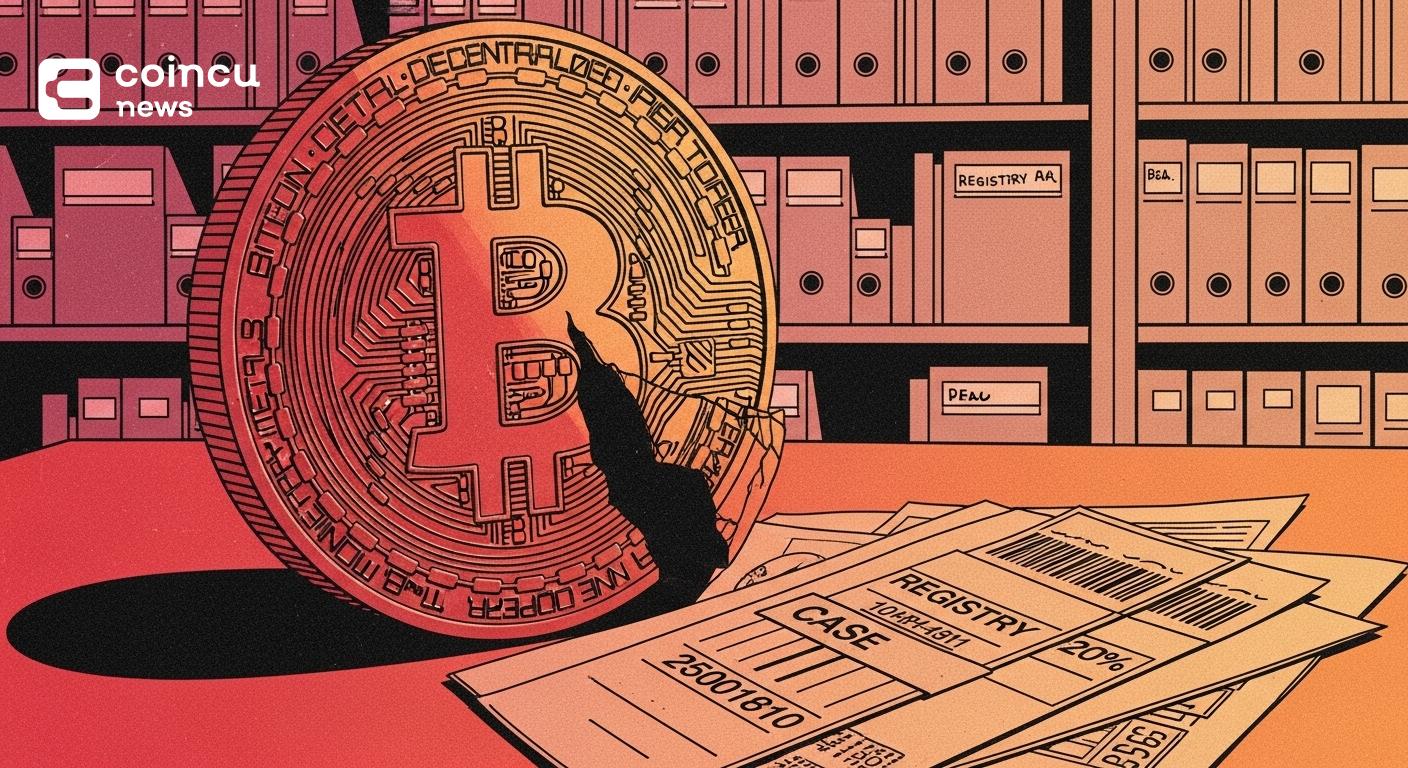
What an asset disposal stalemate means in a Bitcoin laundering case
In a Bitcoin laundering case, an asset disposal stalemate arises when authorities have identified, frozen, or seized cryptocurrency but cannot lawfully liquidate or return it to victims. The blockage persists until ownership, forfeiture, and procedural requirements are satisfied.
In a $300 million scenario, funds can sit across wallets, exchange accounts, or government custody while courts resolve competing claims and due process. Delays intensify when flows traverse multiple chains or privacy tools.
The chokepoint often emerges after initial tracing but before court-authorized disposal, particularly when launderers use mixers, peel chains, cross-chain swaps, or convert portions into privacy coins that frustrate attribution.
Why these stalemates happen: legal, technical, and jurisdictional bottlenecks
Legally, disposal requires due process, notice, and court orders; multi-jurisdiction evidence collection and service of process can extend timelines in complex fraud and laundering matters. Cross-border evidence and asset-sharing add further friction.
As reported by Cointelegraph, experts say converting stolen BTC into Monero (XMR) can frustrate tracing, and a Binance official noted that exchange freezes typically await formal legal process. These constraints slow progression from freeze to liquidation.
As reported by TRM Blog, prosecutors have invoked organized-crime statutes in a $263 million crypto-theft conspiracy, underscoring complex evidence needs that can elongate investigations. Such breadth can defer the point when courts permit disposal.
Immediate impact on victims, restitution, and market confidence
For victims, a stalemate defers restitution and extends uncertainty, with recovery contingent on adjudication of forfeiture, competing claims, and technical attribution of tainted flows. Communication often trails investigative realities.
As reported by CoinDesk, a prominent forfeiture action was characterized by a former acting U.S. attorney as tone-setting, signaling a shift toward earlier victim-focused recoveries in digital-asset cases. Clearer priorities can support market confidence.
Confidence can be affected when large headline sums remain immobilized; timely, transparent updates help mitigate speculation while courts and agencies complete required steps. Liquidity and certainty typically improve only after judicial milestones.
How civil forfeiture can unblock crypto asset disposal delays
According to the U.S. Department of Justice, civil forfeiture allows the government to seize crime proceeds without waiting for criminal charges, enabling earlier custody of assets for potential restoration. In June 2025, the department filed a civil forfeiture action involving roughly $225.3 million in cryptocurrency tied to fraud, illustrating how in rem actions can advance victim-first outcomes before arrests.
While procedures vary by case, civil tools can convert a freeze into court-ordered custody, clearing a path to liquidation and later remission if ownership and loss are established. Many practitioners view the pivot as a practical response to extended investigations. “This approach is tone-setting,” said former Acting U.S. Attorney Phil Selden.
DOJ civil forfeiture steps and tracing limits after Monero (XMR) swaps
Typical steps include identifying assets, filing a complaint in rem, obtaining seizure or restraining orders, taking custody, and later seeking remission or restoration after judicial findings. These steps can proceed before indictments in suitable cases.
When Bitcoin is swapped into Monero, visibility often diminishes after the swap, constraining attribution and narrowing what can be included in a forfeiture complaint or recovered later. The swap can mark a practical end to on-chain tracing.
Where on-chain visibility breaks, investigators may rely on exchange records, off-chain evidence, or cooperating witnesses to bridge gaps created by privacy-coin conversions. These alternatives can still support partial forfeiture and restitution.
Exchange cooperation and freezing workflows, including platforms like Binance
Exchange cooperation generally follows receipt of lawful process, account identification, a targeted freeze, and eventual transfer to law-enforcement custody or a controlled liquidation, depending on court orders. Documentation and legal sufficiency are central throughout.
Platforms such as Binance can act once served, but workflows, KYC reviews, and multi-jurisdiction coordination often dictate response time and the scope of any freeze. These mechanics influence how quickly stalemates can be resolved.
At the time of this writing, Bitcoin is about $67,097 with very high 11.72% volatility and bearish sentiment, based on data from Yahoo Scout. These figures are contextual and do not imply any forecast or advice.
FAQ about asset disposal stalemate
Why can’t authorities quickly liquidate seized Bitcoin and return funds to victims?
They need court authorization, clear ownership findings, cross-border cooperation, and traceable flows. Privacy coins and multi-exchange paths can delay admissible evidence and disposal orders.
How does civil forfeiture work for cryptocurrency and how long does restitution usually take?
Authorities file an in rem action to seize assets before charges. Restitution timing varies by case complexity and court rulings; it often spans months or longer.
| DISCLAIMER: The information on this website is provided as general market commentary and does not constitute investment advice. We encourage you to do your own research before investing. |


Other Posts









- Amplify 2024: Ohio’s Premier Blockchain Summit
- Polymarket Announces U.S. Beta Relaunch Amid Market Buzz
- China, US Conclude Trade Talks with Focus on Cooperation
- Crypto Weekly: NYSE Backs OKX, Kraken Gets Fed Access, BTC Sells
- CELO holds as Celo reviews Opera 160M token claim
- DeriW Launches Edge Hour Trading Competition Platform for Derivatives Traders
- Michael Saylor Denies Bitcoin Sell-Off Amid Large BTC Transfer
- Court Upholds Fed’s Rejection of Custodia Bank’s Request
- EU Opens Antitrust Probe Into Deutsche Boerse and Nasdaq Derivatives Dealings
- Kazakhstan Explores Crypto Reserves Backed by National Funds
- JPMorgan Increases Holdings in BlackRock’s Bitcoin ETF
- Nordea Bank Introduces Bitcoin ETP Trading for Nordic Customers
- XRP Spot ETF Launches on Nasdaq Amid Market Fluctuations
- JPMorgan Chase Launches 24/7 Digital Deposit Token for Clients
- Crypto Leaders Address Macro Volatility Amid Market Shifts
- Former CFO Convicted for $35M Fraudulent Crypto Investment
- Peter Schiff Challenges Michael Saylor on MSTR’s Business Model
- Thailand Orders Worldcoin to Delete 1.2 Million Biometric Records
- UK Proposes New DeFi Tax Framework to Ease User Burden
- U.S. Treasury Proposes New Tax Relief Regulations
- Amplify 2024: Ohio’s Premier Blockchain Summit
- Polymarket Announces U.S. Beta Relaunch Amid Market Buzz
- China, US Conclude Trade Talks with Focus on Cooperation
- Crypto Weekly: NYSE Backs OKX, Kraken Gets Fed Access, BTC Sells
- CELO holds as Celo reviews Opera 160M token claim
- DeriW Launches Edge Hour Trading Competition Platform for Derivatives Traders
- Michael Saylor Denies Bitcoin Sell-Off Amid Large BTC Transfer
- Court Upholds Fed’s Rejection of Custodia Bank’s Request
- EU Opens Antitrust Probe Into Deutsche Boerse and Nasdaq Derivatives Dealings
- Kazakhstan Explores Crypto Reserves Backed by National Funds
- JPMorgan Increases Holdings in BlackRock’s Bitcoin ETF
- Nordea Bank Introduces Bitcoin ETP Trading for Nordic Customers
- XRP Spot ETF Launches on Nasdaq Amid Market Fluctuations
- JPMorgan Chase Launches 24/7 Digital Deposit Token for Clients
- Crypto Leaders Address Macro Volatility Amid Market Shifts
- Former CFO Convicted for $35M Fraudulent Crypto Investment
- Peter Schiff Challenges Michael Saylor on MSTR’s Business Model
- Thailand Orders Worldcoin to Delete 1.2 Million Biometric Records
- UK Proposes New DeFi Tax Framework to Ease User Burden
- U.S. Treasury Proposes New Tax Relief Regulations
- Amplify 2024: Ohio’s Premier Blockchain Summit
- Polymarket Announces U.S. Beta Relaunch Amid Market Buzz
- China, US Conclude Trade Talks with Focus on Cooperation
- Crypto Weekly: NYSE Backs OKX, Kraken Gets Fed Access, BTC Sells
- CELO holds as Celo reviews Opera 160M token claim
- DeriW Launches Edge Hour Trading Competition Platform for Derivatives Traders
- Michael Saylor Denies Bitcoin Sell-Off Amid Large BTC Transfer
- Court Upholds Fed’s Rejection of Custodia Bank’s Request
- EU Opens Antitrust Probe Into Deutsche Boerse and Nasdaq Derivatives Dealings
- Kazakhstan Explores Crypto Reserves Backed by National Funds
- JPMorgan Increases Holdings in BlackRock’s Bitcoin ETF
- Nordea Bank Introduces Bitcoin ETP Trading for Nordic Customers
- XRP Spot ETF Launches on Nasdaq Amid Market Fluctuations
- JPMorgan Chase Launches 24/7 Digital Deposit Token for Clients
- Crypto Leaders Address Macro Volatility Amid Market Shifts
- Former CFO Convicted for $35M Fraudulent Crypto Investment
- Peter Schiff Challenges Michael Saylor on MSTR’s Business Model
- Thailand Orders Worldcoin to Delete 1.2 Million Biometric Records
- UK Proposes New DeFi Tax Framework to Ease User Burden
- U.S. Treasury Proposes New Tax Relief Regulations
Latest



Press Release

Printr Launches V2 Platform Update With Five Fee Models and On-Chain Proof of Belief Staking

Could DOGEBALL Outpace the Ark ROI? Analyzing the Top Meme Coin Presales This Week