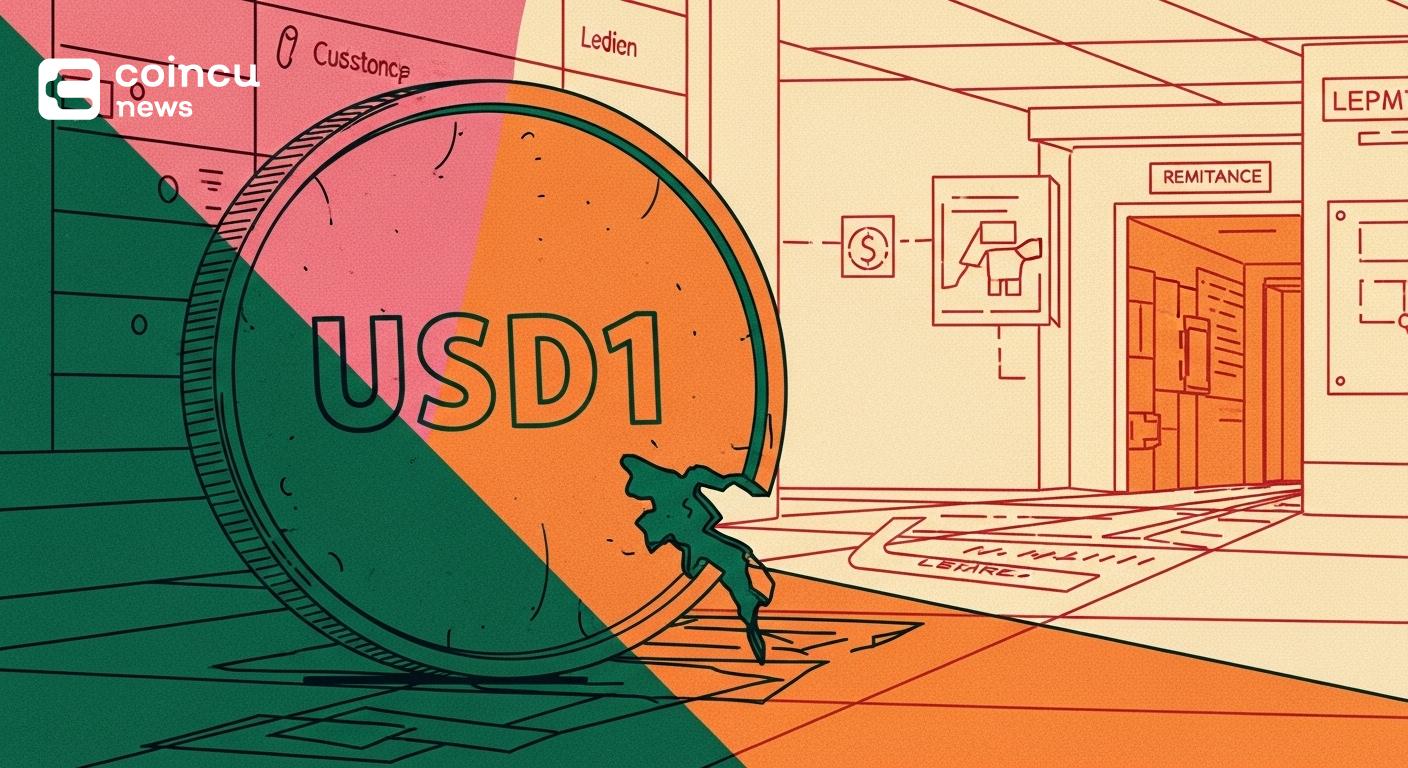
WLFI is launching a USD1 stablecoin cross-border remittance platform
WLFI Alliance announced a cross-border remittance service platform built around the USD1 stablecoin to form a complete financial product matrix, as reported by Business Wire. The announcement includes BitGo as the appointed custodian for USD1 reserves, aligning the rollout with institutional controls and settlement assurance.
The initiative targets regulated remittance corridors where digital dollars could compress costs and settlement time. WLFI positions USD1 for institutional users, emphasizing reserve transparency and third‑party custody as prerequisites for adoption.
Why it matters: lower costs, BitGo custody, and reserve transparency
Cross-border remittances typically incur multiple intermediaries, FX spreads, and delays. A fiat-backed stablecoin with institutional custody could lower transfer costs, reduce counterparty risk, and accelerate settlement to near real time in supported corridors.
BitGo’s role is intended to strengthen asset segregation, controls, and redemption confidence. “Delivers both, security and efficiency,” said Mike Belshe, CEO at BitGo, underscoring the custody framework’s focus on institutional risk standards.
Institutions generally expect frequent reserve disclosures and independent attestations. Clear, timely reporting and reconciliation are central to reserve transparency, especially as issuance scales across networks and jurisdictions.
Immediate impact: remittance product matrix, Canton plans, Pakistan MoU
WLFI indicates USD1 will anchor a remittance-focused product matrix spanning issuance, transfer, and redemption workflows. The near-term emphasis is on corridor enablement and compliance alignment rather than speculative trading.
According to FF News, the Canton Network has signaled an intention to deploy USD1 to enable privacy-preserving, regulated transactions among institutions. This plan is framed as infrastructure for compliant settlement, subject to network governance and integration timelines.
As reported by FinanceFeeds, Pakistan signed a memorandum of understanding via SC Financial Technologies, a WLFI affiliate, to evaluate USD1 for payments and remittances. “Innovation … is aligned with regulation, stability, and national interest,” said Muhammad Aurangzeb, Pakistan’s finance minister.
Risks: regulation, governance, and security considerations
Regulatory outlook: GENIUS Act fit and jurisdictional considerations
According to NYDIG, the proposed U.S. GENIUS Act could require issuer structures, such as bank-chartered models, that USD1 may need to meet. That scenario could entail licensing changes or restructurings if enacted.
Cross-border usage also faces varying e-money, payments, and securities regimes. Mapping obligations for issuance, redemption, and marketing will likely differ across markets and may evolve as legislation advances.
Governance centralization, reserve reporting cadence, and fake USD1 warnings
As reported by Cointelegraph, critics have flagged governance centralization risks, citing heavy voting power concentration among top addresses while some holders remained locked. That scrutiny raises questions about representation and change management.
Before official tradability, CryptoRank noted a marketplace warning from Binance’s CZ about fake USD1 tokens. Scams commonly mimic tickers and logos, so contract verification is essential. According to CoinSpot.io, researchers also criticized delays in reserve report publications as circulating supply expanded.
FAQ about USD1 stablecoin
How is USD1 backed, who custodies the reserves, and how often are reserve reports published?
USD1 is described as fiat-backed, with reserves custodied by BitGo. Reserve reporting has faced timeliness critiques. Issuer cadence and attestations are pivotal for institutional confidence.
How does USD1 reduce the cost and settlement time of cross-border remittances versus traditional remittance services?
On-chain transfers can bypass intermediary layers, tighten FX spreads, and settle near real time in supported corridors. Traditional remittances often take days and include multiple embedded fees.
| DISCLAIMER: The information on this website is provided as general market commentary and does not constitute investment advice. We encourage you to do your own research before investing. |


Other Posts









- Amplify 2024: Ohio’s Premier Blockchain Summit
- Polymarket Announces U.S. Beta Relaunch Amid Market Buzz
- China, US Conclude Trade Talks with Focus on Cooperation
- Crypto Weekly: NYSE Backs OKX, Kraken Gets Fed Access, BTC Sells
- CELO holds as Celo reviews Opera 160M token claim
- Michael Saylor Denies Bitcoin Sell-Off Amid Large BTC Transfer
- Court Upholds Fed’s Rejection of Custodia Bank’s Request
- EU Opens Antitrust Probe Into Deutsche Boerse and Nasdaq Derivatives Dealings
- Kazakhstan Explores Crypto Reserves Backed by National Funds
- JPMorgan Increases Holdings in BlackRock’s Bitcoin ETF
- Nordea Bank Introduces Bitcoin ETP Trading for Nordic Customers
- XRP Spot ETF Launches on Nasdaq Amid Market Fluctuations
- JPMorgan Chase Launches 24/7 Digital Deposit Token for Clients
- Crypto Leaders Address Macro Volatility Amid Market Shifts
- Former CFO Convicted for $35M Fraudulent Crypto Investment
- Peter Schiff Challenges Michael Saylor on MSTR’s Business Model
- Thailand Orders Worldcoin to Delete 1.2 Million Biometric Records
- UK Proposes New DeFi Tax Framework to Ease User Burden
- U.S. Treasury Proposes New Tax Relief Regulations
- Uniswap’s UNIfication Proposal Gains Massive Preliminary Support
- Amplify 2024: Ohio’s Premier Blockchain Summit
- Polymarket Announces U.S. Beta Relaunch Amid Market Buzz
- China, US Conclude Trade Talks with Focus on Cooperation
- Crypto Weekly: NYSE Backs OKX, Kraken Gets Fed Access, BTC Sells
- CELO holds as Celo reviews Opera 160M token claim
- Michael Saylor Denies Bitcoin Sell-Off Amid Large BTC Transfer
- Court Upholds Fed’s Rejection of Custodia Bank’s Request
- EU Opens Antitrust Probe Into Deutsche Boerse and Nasdaq Derivatives Dealings
- Kazakhstan Explores Crypto Reserves Backed by National Funds
- JPMorgan Increases Holdings in BlackRock’s Bitcoin ETF
- Nordea Bank Introduces Bitcoin ETP Trading for Nordic Customers
- XRP Spot ETF Launches on Nasdaq Amid Market Fluctuations
- JPMorgan Chase Launches 24/7 Digital Deposit Token for Clients
- Crypto Leaders Address Macro Volatility Amid Market Shifts
- Former CFO Convicted for $35M Fraudulent Crypto Investment
- Peter Schiff Challenges Michael Saylor on MSTR’s Business Model
- Thailand Orders Worldcoin to Delete 1.2 Million Biometric Records
- UK Proposes New DeFi Tax Framework to Ease User Burden
- U.S. Treasury Proposes New Tax Relief Regulations
- Uniswap’s UNIfication Proposal Gains Massive Preliminary Support
- Amplify 2024: Ohio’s Premier Blockchain Summit
- Polymarket Announces U.S. Beta Relaunch Amid Market Buzz
- China, US Conclude Trade Talks with Focus on Cooperation
- Crypto Weekly: NYSE Backs OKX, Kraken Gets Fed Access, BTC Sells
- CELO holds as Celo reviews Opera 160M token claim
- Michael Saylor Denies Bitcoin Sell-Off Amid Large BTC Transfer
- Court Upholds Fed’s Rejection of Custodia Bank’s Request
- EU Opens Antitrust Probe Into Deutsche Boerse and Nasdaq Derivatives Dealings
- Kazakhstan Explores Crypto Reserves Backed by National Funds
- JPMorgan Increases Holdings in BlackRock’s Bitcoin ETF
- Nordea Bank Introduces Bitcoin ETP Trading for Nordic Customers
- XRP Spot ETF Launches on Nasdaq Amid Market Fluctuations
- JPMorgan Chase Launches 24/7 Digital Deposit Token for Clients
- Crypto Leaders Address Macro Volatility Amid Market Shifts
- Former CFO Convicted for $35M Fraudulent Crypto Investment
- Peter Schiff Challenges Michael Saylor on MSTR’s Business Model
- Thailand Orders Worldcoin to Delete 1.2 Million Biometric Records
- UK Proposes New DeFi Tax Framework to Ease User Burden
- U.S. Treasury Proposes New Tax Relief Regulations
- Uniswap’s UNIfication Proposal Gains Massive Preliminary Support
Latest

KPMG Warns Fed May Raise Rates in H2 as Iran War Fuels Stagflation


Gate Institutional Weekly Report: BTC Funding Rate Turns Positive, CEX TradFi Volume Surges








Press Release
MEXC Announces USD1 Launchpool Event with 1,500,000 WLFI Prize Pool

Manhattan Private Credit Launches Network to Connect Investors With Private Credit Markets as Bank Lending Continues to Contract