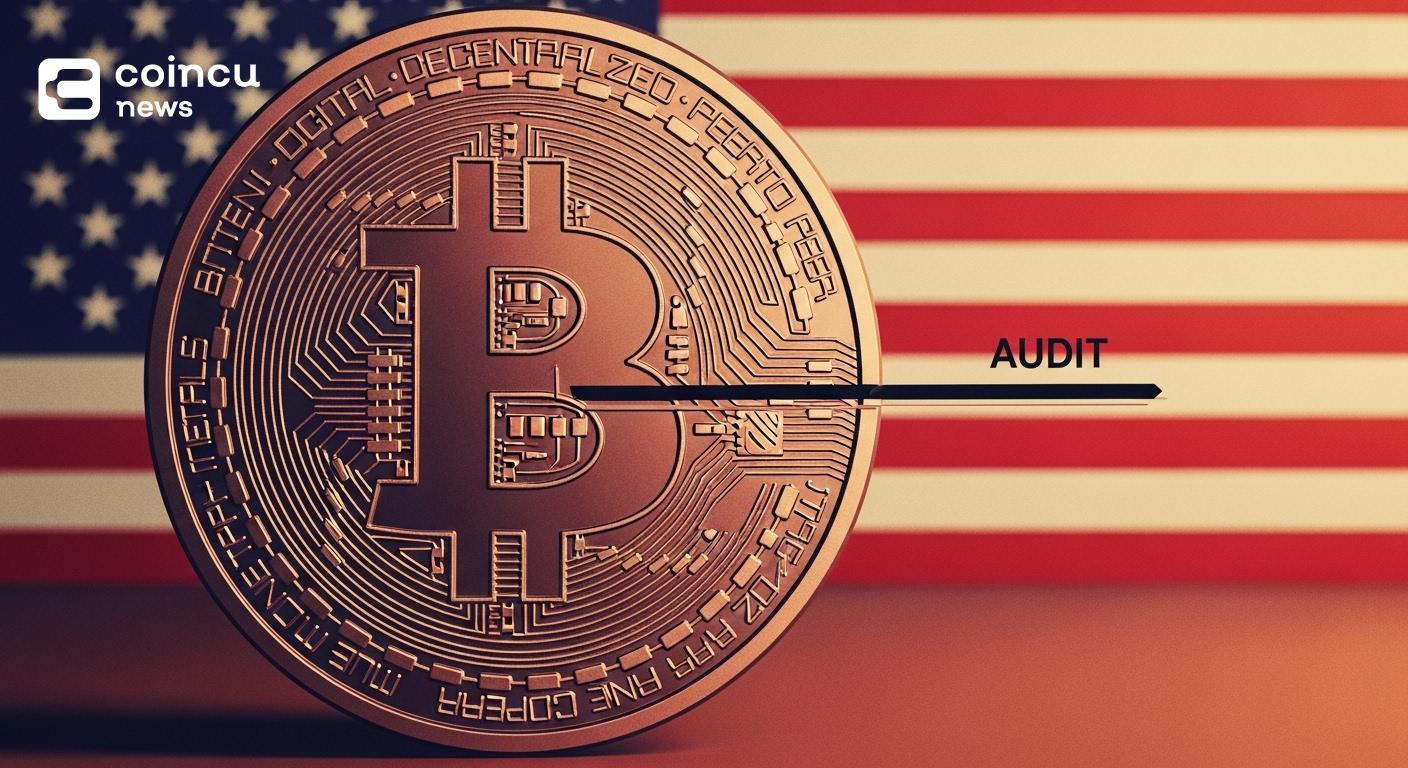
American Bitcoin holds 6,000+ BTC; Trump family backing explained
american bitcoin (ABTC) is a U.S.-listed Bitcoin miner backed by members of the Trump family and majority-owned by Hut 8. The company reports a large on-balance-sheet Bitcoin position and a strategy that combines self-mining with selective market purchases.
Based on data from bitcointreasuries.net, ABTC’s treasury stood near 5,843 BTC as of January 2026, and ownership has been reported at roughly 20% split between Eric Trump and Donald Trump Jr. As reported by CoinDesk, ABTC trades on Nasdaq under the ticker ABTC and has posted its first profitable quarter while growing its holdings through mining and acquisitions.
These relationships and treasury dynamics place ABTC among notable corporate Bitcoin holders. They also concentrate operational, treasury, and governance questions at the nexus of U.S. energy markets, digital-asset infrastructure, and public company disclosure.
Why this matters for mining, markets, and U.S. oversight
ABTC’s scale and political ties could influence how investors assess mining economics, vendor financing, and regulatory risk. Legal and policy analysts have highlighted perceived conflicts where private crypto interests overlap with a pro-crypto policy agenda.
Several legal scholars frame this as a test of public-integrity norms. “An unprecedented conflict of interest,” said Richard Briffault, Columbia Law professor, as reported by Fortune.
Market context remains pivotal for miners: Bitcoin recently fell to roughly $62,000, as noted in Yahoo market summaries linking crypto weakness to miner volatility. Such drawdowns can compress revenue, pressure balance sheets holding BTC, and amplify sensitivity to regulatory headlines.
Immediate implications for ABTC, Hut 8, Bitmain, and investors
For ABTC and Hut 8, treasury management may lean on disciplined sell/hold policies, hedging power costs, and timing hardware upgrades. If vendor terms are unusually favorable, they could lower all-in costs per coin; if not, capex and financing risk may rise.
For Bitmain, heightened scrutiny of financing structures could shape future equipment deals with U.S. miners. For investors, the intersection of political exposure, treasury volatility, and complex vendor arrangements suggests outcomes will hinge on disclosures and governance rather than narratives.
Bitmain deal, Hut 8 ties, and transparency questions
What’s unusual about the Bitmain financing and equipment terms
Experts have flagged features of a Bitmain-related package as atypical for the sector, including an unusually long redemption period and clauses akin to “mining at a discount,” as reported by The Guardian. Given the Trump family’s involvement and Hut 8’s majority stake, observers say even advantageous commercial terms can draw added regulatory and ethical attention.
Key disclosures to scrutinize on custody, costs, and governance
Critics emphasize verifying wallet custody arrangements, cost-per-coin methodology, related-party transactions, and board independence, according to the Associated Press. Clear separation between public office and private business interests is cited as essential to mitigate perceived pay-to-play risks.
FAQ about American Bitcoin (ABTC)
What is the Trump family’s ownership stake in ABTC and what roles do Eric Trump and Donald Trump Jr. have?
Public reporting indicates around 20% combined ownership. They are identified as backers and part-owners; formal day-to-day roles have not been detailed in cited reports.
Why are experts calling ABTC a conflict of interest and what are the main ethical and regulatory concerns?
Analysts highlight overlap between family financial interests, vendor terms scrutiny, and a pro-crypto policy agenda. Concerns focus on transparency, preferential treatment, and regulatory integrity.
| DISCLAIMER: The information on this website is provided as general market commentary and does not constitute investment advice. We encourage you to do your own research before investing. |


Other Posts








- China, US Conclude Trade Talks with Focus on Cooperation
- Crypto Weekly: NYSE Backs OKX, Kraken Gets Fed Access, BTC Sells
- Court Upholds Fed’s Rejection of Custodia Bank’s Request
- Former CFO Convicted for $35M Fraudulent Crypto Investment
- DeriW Launches Edge Hour Trading Competition Platform for Derivatives Traders
- Michael Saylor Denies Bitcoin Sell-Off Amid Large BTC Transfer
- Buy Dogecoin on eToro: Step-by-Step Guide for Beginners (2024)
- Kazakhstan Explores Crypto Reserves Backed by National Funds
- JPMorgan Increases Holdings in BlackRock’s Bitcoin ETF
- Nordea Bank Introduces Bitcoin ETP Trading for Nordic Customers
- XRP Spot ETF Launches on Nasdaq Amid Market Fluctuations
- Peter Schiff Challenges Michael Saylor on MSTR’s Business Model
- Thailand Orders Worldcoin to Delete 1.2 Million Biometric Records
- UK Proposes New DeFi Tax Framework to Ease User Burden
- WLFI Under Fire: Analyst Warns Hyperliquid Could Be Next
- Ancient Ethereum Whale Moves $1.19 Billion After Decade
- BlackRock Receives Large Crypto Transfers from Coinbase
- SEC Scrutiny on ALT5 Sigma’s Leadership Disclosure Timing
- Yala Injects $5.5 Million Amid Recovery Efforts
- Radiant Capital Faces $50M Loss in Major Security Breach
- China, US Conclude Trade Talks with Focus on Cooperation
- Crypto Weekly: NYSE Backs OKX, Kraken Gets Fed Access, BTC Sells
- Court Upholds Fed’s Rejection of Custodia Bank’s Request
- Former CFO Convicted for $35M Fraudulent Crypto Investment
- DeriW Launches Edge Hour Trading Competition Platform for Derivatives Traders
- Michael Saylor Denies Bitcoin Sell-Off Amid Large BTC Transfer
- Buy Dogecoin on eToro: Step-by-Step Guide for Beginners (2024)
- Kazakhstan Explores Crypto Reserves Backed by National Funds
- JPMorgan Increases Holdings in BlackRock’s Bitcoin ETF
- Nordea Bank Introduces Bitcoin ETP Trading for Nordic Customers
- XRP Spot ETF Launches on Nasdaq Amid Market Fluctuations
- Peter Schiff Challenges Michael Saylor on MSTR’s Business Model
- Thailand Orders Worldcoin to Delete 1.2 Million Biometric Records
- UK Proposes New DeFi Tax Framework to Ease User Burden
- WLFI Under Fire: Analyst Warns Hyperliquid Could Be Next
- Ancient Ethereum Whale Moves $1.19 Billion After Decade
- BlackRock Receives Large Crypto Transfers from Coinbase
- SEC Scrutiny on ALT5 Sigma’s Leadership Disclosure Timing
- Yala Injects $5.5 Million Amid Recovery Efforts
- Radiant Capital Faces $50M Loss in Major Security Breach
- China, US Conclude Trade Talks with Focus on Cooperation
- Crypto Weekly: NYSE Backs OKX, Kraken Gets Fed Access, BTC Sells
- Court Upholds Fed’s Rejection of Custodia Bank’s Request
- Former CFO Convicted for $35M Fraudulent Crypto Investment
- DeriW Launches Edge Hour Trading Competition Platform for Derivatives Traders
- Michael Saylor Denies Bitcoin Sell-Off Amid Large BTC Transfer
- Buy Dogecoin on eToro: Step-by-Step Guide for Beginners (2024)
- Kazakhstan Explores Crypto Reserves Backed by National Funds
- JPMorgan Increases Holdings in BlackRock’s Bitcoin ETF
- Nordea Bank Introduces Bitcoin ETP Trading for Nordic Customers
- XRP Spot ETF Launches on Nasdaq Amid Market Fluctuations
- Peter Schiff Challenges Michael Saylor on MSTR’s Business Model
- Thailand Orders Worldcoin to Delete 1.2 Million Biometric Records
- UK Proposes New DeFi Tax Framework to Ease User Burden
- WLFI Under Fire: Analyst Warns Hyperliquid Could Be Next
- Ancient Ethereum Whale Moves $1.19 Billion After Decade
- BlackRock Receives Large Crypto Transfers from Coinbase
- SEC Scrutiny on ALT5 Sigma’s Leadership Disclosure Timing
- Yala Injects $5.5 Million Amid Recovery Efforts
- Radiant Capital Faces $50M Loss in Major Security Breach


Mastercard to Acquire Stablecoin Firm BVNK in $1.8 Billion Deal


Cashelix Launches CASX Token Presale to Fuel the Future of Blockchain P2P Transactions
Bybit Sues North Korea and Lazarus Group, Secures Preliminary Injunction Freezing Stolen Assets in Landmark Crypto Asset Recovery Effort