What Bank of America’s 1,668% BMNR increase means now
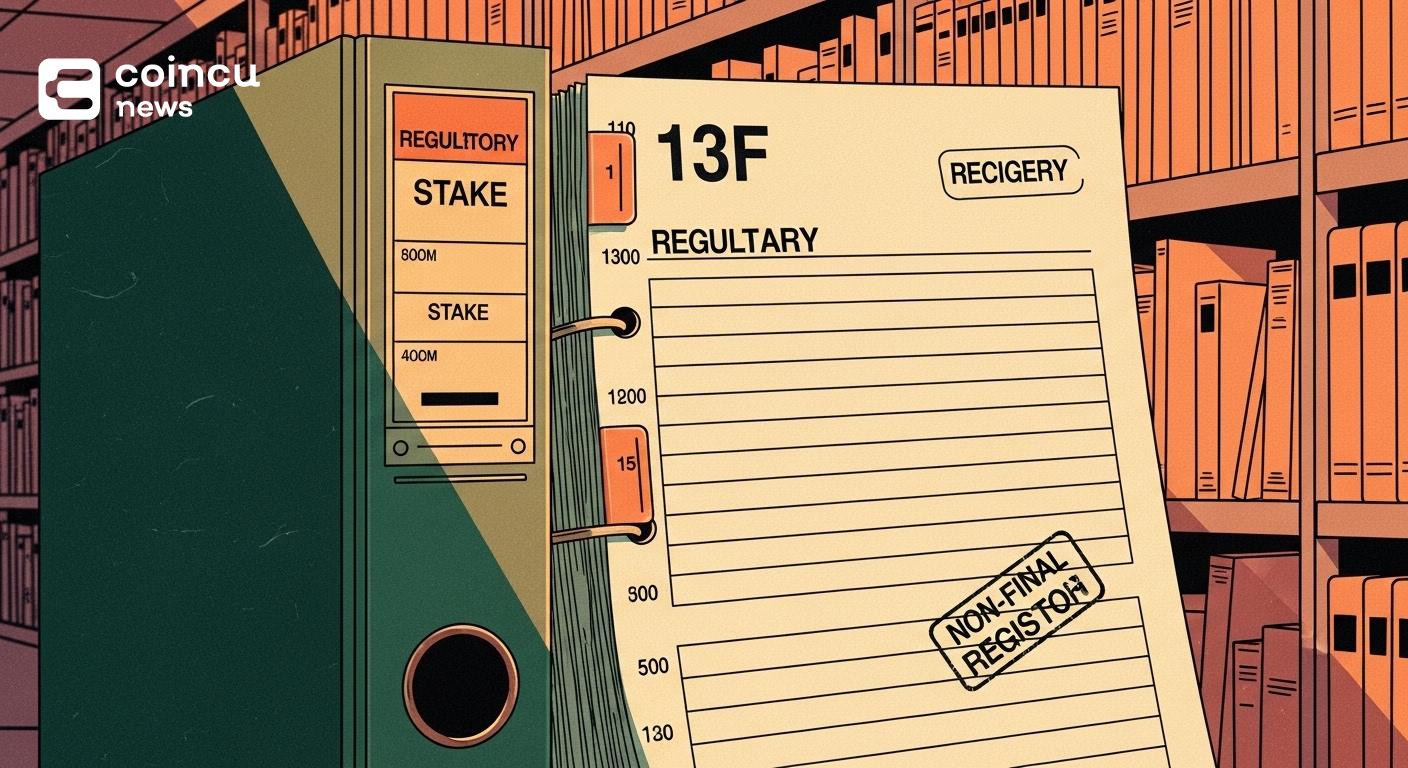
According to TheStreet, bank of America disclosed holding 3,162,085 shares of BMNR in Q4 2025, a 1,668% quarter‑over‑quarter increase in its reported position. Under SEC rules, Form 13F is a delayed, quarter‑end snapshot of certain long U.S. equity holdings and does not reflect intraperiod activity or short positions.
The size of the increase signals growing institutional attention to Bitmine Immersion (BMNR). However, a 13F does not convey cost basis, post‑quarter changes, or a view on future performance, so interpretation requires caution.
Why this Bank of America 13F filing matters for BMNR and ETH
BMNR’s equity story is closely linked to its Ethereum (ETH) treasury, which has generated significant unrealized losses during market drawdowns. As reported by CoinGape, Royal Bank of Canada also increased BMNR holdings despite those treasury losses, underscoring that some institutions are willing to underwrite ETH‑linked balance‑sheet risk via the stock.
A high‑profile holder can broaden coverage, deepen the shareholder base, and potentially affect liquidity. But a 13F is not a real‑time buy signal, and any valuation impact will still hinge on BMNR’s treasury marks, financing, and operating execution.
Some analysts frame the setup as a way to access ETH exposure through an equity discount to underlying assets. “They see value in BMNR despite its unrealized losses because it offers exposure to ETH at a steep discount,” said Anders Miro, analyst at AInvest.
Immediate impact on BMNR stock, sentiment, and ETH correlation
Large reported positions by a major bank can lift near‑term sentiment and reduce perceived stigma around crypto‑linked equities. Even so, the 13F lag and absence of cost or hedging detail limit how much investors can infer about current positioning.
Given BMNR’s ETH treasury, the stock may exhibit elevated sensitivity to ETH moves. If ETH weakens, unrealized losses can widen and weigh on equity value; if ETH rebounds, any discount‑to‑assets could narrow, improving sentiment.
At the time of this writing, Bank of America shares were $53.35, up 1.15% intraday, based on data from Yahoo Scout at approximately 2:50 PM EST. This is contextual information and not indicative of BMNR performance.
How BMNR’s Ethereum treasury losses drive risk and value
Unrealized losses and balance‑sheet effects explained
Unrealized losses arise when ETH’s market price falls below the carrying value of BMNR’s holdings. These marks can reduce reported equity/NAV and, depending on accounting treatment, affect earnings metrics without generating immediate cash outflows.
Lower reported equity can influence covenant headroom, financing costs, and market perception of solvency buffers. Conversely, mark‑to‑market recoveries can restore balance‑sheet capacity, though realized outcomes depend on actual dispositions.
Discount-to-NAV thesis and sensitivity to ETH moves
A discount‑to‑NAV thesis emerges when BMNR’s market capitalization sits below the mark‑to‑market value of its ETH plus operating assets, net of liabilities. Investors may view this gap as potential value if marks improve or sentiment normalizes.
Sensitivity is high: changes in ETH can quickly alter NAV and the implied discount. Discounts can compress when liquidity, governance, and funding visibility improve, and widen when volatility or risk aversion rises.
FAQ about Bank of America 13F filing
How does BMNR’s Ethereum treasury create upside (or downside) compared with holding ETH directly?
BMNR adds operating and capital‑structure leverage to ETH exposure. Upside if ETH recovers and the equity discount narrows; downside if ETH drops and financing conditions tighten.
What are the main risks to BMNR if Ethereum falls further, and how large are the unrealized losses?
Primary risks are further ETH declines, wider discount‑to‑NAV, and constrained liquidity. Reported unrealized losses are significant; exact size depends on ETH marks and accounting.
| DISCLAIMER: The information on this website is provided as general market commentary and does not constitute investment advice. We encourage you to do your own research before investing. |


Other Posts









- Amplify 2024: Ohio’s Premier Blockchain Summit
- Polymarket Announces U.S. Beta Relaunch Amid Market Buzz
- China, US Conclude Trade Talks with Focus on Cooperation
- Crypto Weekly: NYSE Backs OKX, Kraken Gets Fed Access, BTC Sells
- CELO holds as Celo reviews Opera 160M token claim
- DeriW Launches Edge Hour Trading Competition Platform for Derivatives Traders
- Michael Saylor Denies Bitcoin Sell-Off Amid Large BTC Transfer
- Court Upholds Fed’s Rejection of Custodia Bank’s Request
- EU Opens Antitrust Probe Into Deutsche Boerse and Nasdaq Derivatives Dealings
- Kazakhstan Explores Crypto Reserves Backed by National Funds
- JPMorgan Increases Holdings in BlackRock’s Bitcoin ETF
- Nordea Bank Introduces Bitcoin ETP Trading for Nordic Customers
- XRP Spot ETF Launches on Nasdaq Amid Market Fluctuations
- JPMorgan Chase Launches 24/7 Digital Deposit Token for Clients
- Crypto Leaders Address Macro Volatility Amid Market Shifts
- Former CFO Convicted for $35M Fraudulent Crypto Investment
- Peter Schiff Challenges Michael Saylor on MSTR’s Business Model
- Thailand Orders Worldcoin to Delete 1.2 Million Biometric Records
- UK Proposes New DeFi Tax Framework to Ease User Burden
- U.S. Treasury Proposes New Tax Relief Regulations
- Amplify 2024: Ohio’s Premier Blockchain Summit
- Polymarket Announces U.S. Beta Relaunch Amid Market Buzz
- China, US Conclude Trade Talks with Focus on Cooperation
- Crypto Weekly: NYSE Backs OKX, Kraken Gets Fed Access, BTC Sells
- CELO holds as Celo reviews Opera 160M token claim
- DeriW Launches Edge Hour Trading Competition Platform for Derivatives Traders
- Michael Saylor Denies Bitcoin Sell-Off Amid Large BTC Transfer
- Court Upholds Fed’s Rejection of Custodia Bank’s Request
- EU Opens Antitrust Probe Into Deutsche Boerse and Nasdaq Derivatives Dealings
- Kazakhstan Explores Crypto Reserves Backed by National Funds
- JPMorgan Increases Holdings in BlackRock’s Bitcoin ETF
- Nordea Bank Introduces Bitcoin ETP Trading for Nordic Customers
- XRP Spot ETF Launches on Nasdaq Amid Market Fluctuations
- JPMorgan Chase Launches 24/7 Digital Deposit Token for Clients
- Crypto Leaders Address Macro Volatility Amid Market Shifts
- Former CFO Convicted for $35M Fraudulent Crypto Investment
- Peter Schiff Challenges Michael Saylor on MSTR’s Business Model
- Thailand Orders Worldcoin to Delete 1.2 Million Biometric Records
- UK Proposes New DeFi Tax Framework to Ease User Burden
- U.S. Treasury Proposes New Tax Relief Regulations
- Amplify 2024: Ohio’s Premier Blockchain Summit
- Polymarket Announces U.S. Beta Relaunch Amid Market Buzz
- China, US Conclude Trade Talks with Focus on Cooperation
- Crypto Weekly: NYSE Backs OKX, Kraken Gets Fed Access, BTC Sells
- CELO holds as Celo reviews Opera 160M token claim
- DeriW Launches Edge Hour Trading Competition Platform for Derivatives Traders
- Michael Saylor Denies Bitcoin Sell-Off Amid Large BTC Transfer
- Court Upholds Fed’s Rejection of Custodia Bank’s Request
- EU Opens Antitrust Probe Into Deutsche Boerse and Nasdaq Derivatives Dealings
- Kazakhstan Explores Crypto Reserves Backed by National Funds
- JPMorgan Increases Holdings in BlackRock’s Bitcoin ETF
- Nordea Bank Introduces Bitcoin ETP Trading for Nordic Customers
- XRP Spot ETF Launches on Nasdaq Amid Market Fluctuations
- JPMorgan Chase Launches 24/7 Digital Deposit Token for Clients
- Crypto Leaders Address Macro Volatility Amid Market Shifts
- Former CFO Convicted for $35M Fraudulent Crypto Investment
- Peter Schiff Challenges Michael Saylor on MSTR’s Business Model
- Thailand Orders Worldcoin to Delete 1.2 Million Biometric Records
- UK Proposes New DeFi Tax Framework to Ease User Burden
- U.S. Treasury Proposes New Tax Relief Regulations
Latest

QCP: BTC rebounds to $74,000 with risk assets as market doubts US-Iran deal

Bitcoin OG Transfers 1,000 BTC to Binance as On-Chain Data Questions $135.6M Claim
Bitcoin Panic Has Subsided: 3 Catalysts Supporting a $75,000 Move
Press Release
Bitunix Exchange Secures ISO 27001:2022 Certification, Reinforcing Strong Protection of User Data
Crypto News Today: DOGEBALL Presale Hits $180K as FLOKI and WIF Face Key Resistance Levels