Yes, tariffs may exceed 15% via Section 301 tariffs
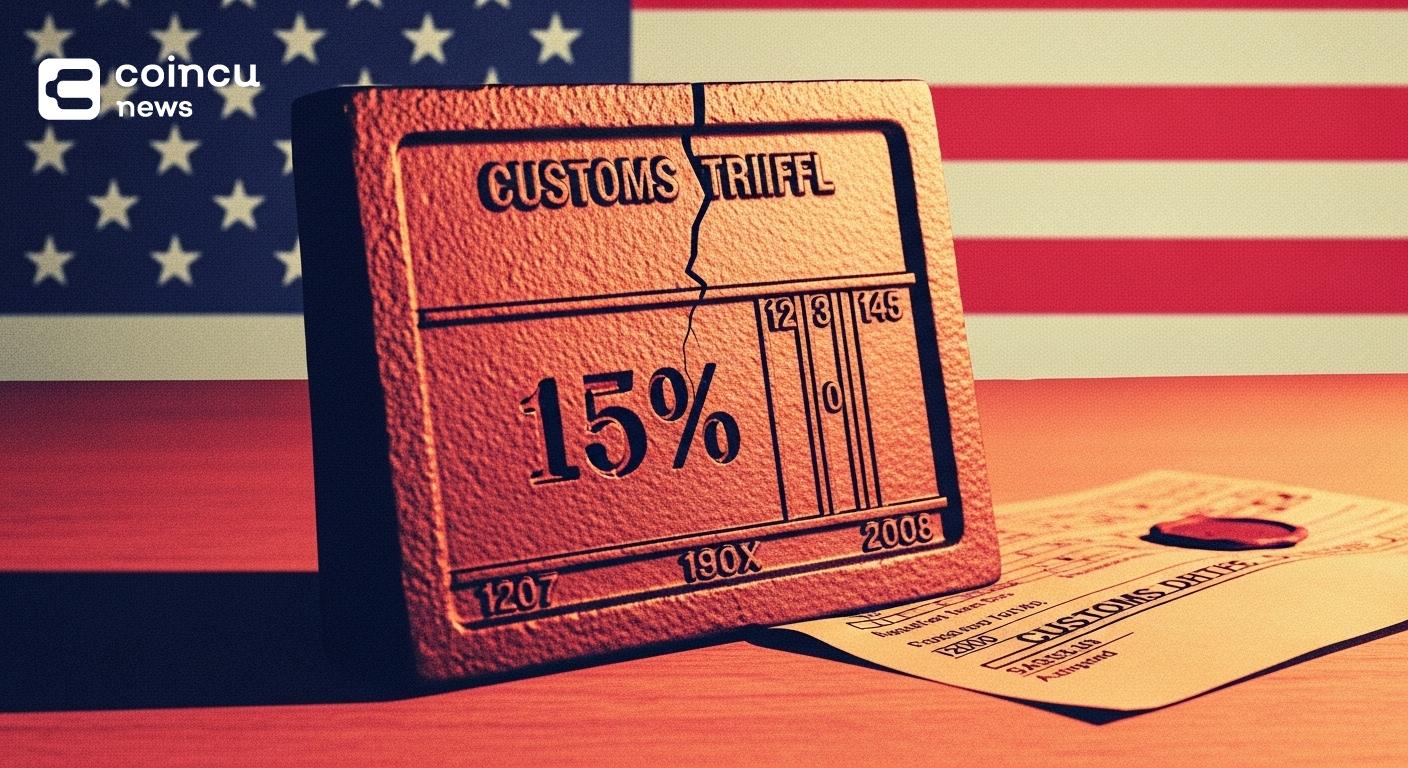
U.S. Trade Representative Katherine Tai indicated that some tariffs may exceed 15% following the policy pivot after a recent court ruling. The clearest legal pathway for rates above that threshold is Section 301, which allows targeted, country- and product-specific duties.
According to the Peterson Institute for International Economics, Section 122 is capped at 15% and limited to 150 days, so any move beyond 15% would likely rely on other statutes, principally Section 301, and potentially section 232.
Why it matters: Section 122 of the Trade Act of 1974
Officials turned to Section 122 to implement a temporary global tariff, with a newly established baseline that has quickly become central to pricing and compliance. As reported by Reuters, the U.S. tariff rate for some countries will rise to 15% or higher from the newly imposed baseline, underscoring the near-term importance of Section 122 parameters and timelines.
Section 122’s statutory ceiling and 150‑day duration mean businesses face sequencing risk: a short-lived global measure may be followed by longer-running, targeted actions under other authorities. That handoff could change effective duty rates, coverage, and legal exposure within a single planning cycle.
Immediate impacts for importers, exporters, and EU partners
In the near term, companies face volatile landed costs, contract repricing, and supply-chain rerouting as global and targeted tariffs interact. Compliance teams will likely encounter classification, valuation, and origin determinations that shift as new instruments come online or expire.
Expert institutions warn that uncertainty is already altering behavior. “There is huge uncertainty … Companies don’t know what they will be charged,” said William Reinsch, senior adviser at the Center for Strategic and International Studies.
EU stakeholders are signaling predictability concerns. according to the European Commission, businesses on both sides of the Atlantic depend on stability and predictability in trading relationships, and prefer lower, clearly communicated tariff schedules.
At the time of this writing, Apple Inc. shares traded at 274.56, up 0.89%, based on data from Yahoo Finance. market pricing reflects many drivers, and tariff policy remains only one of several macro variables.
Post–Supreme Court tariff pathways and timelines
Which legal authorities can raise rates above 15%?
Beyond Section 122, Section 301 authorizes tariff increases to address unfair trade practices, and has previously supported rates above 15%. Section 232, tied to national security determinations, can also impose additional duties. Together, these authorities create multiple avenues for higher, targeted rates, separate from Section 122’s global cap.
What happens when the 150-day Section 122 window ends?
As reported by the Associated Press, the U.S. Supreme Court struck down a prior IEEPA-based approach, accelerating the pivot to Section 122. When Section 122’s 150-day period lapses, the global surcharge would end unless replaced or superseded by other lawful measures. Agencies could then rely more heavily on Section 301 or Section 232 actions, subject to legal and political review.
FAQ about tariffs exceeding 15%
Which countries and product categories are most likely to face tariffs exceeding 15%?
Not specified. Officials have not published lists; exposure likely hinges on Section 301 or Section 232 investigations and prior coverage.
How will new measures stack with existing Section 301 and Section 232 duties, what will my total duty rate be?
Duty stacking remains case-specific. Baseline MFN plus any Section 301/232 surcharges, and any temporary Section 122 tariff, could cumulatively apply unless exclusions intervene.
| DISCLAIMER: The information on this website is provided as general market commentary and does not constitute investment advice. We encourage you to do your own research before investing. |


Other Posts









- Amplify 2024: Ohio’s Premier Blockchain Summit
- Polymarket Announces U.S. Beta Relaunch Amid Market Buzz
- China, US Conclude Trade Talks with Focus on Cooperation
- Crypto Weekly: NYSE Backs OKX, Kraken Gets Fed Access, BTC Sells
- CELO holds as Celo reviews Opera 160M token claim
- DeriW Launches Edge Hour Trading Competition Platform for Derivatives Traders
- Michael Saylor Denies Bitcoin Sell-Off Amid Large BTC Transfer
- Court Upholds Fed’s Rejection of Custodia Bank’s Request
- EU Opens Antitrust Probe Into Deutsche Boerse and Nasdaq Derivatives Dealings
- Kazakhstan Explores Crypto Reserves Backed by National Funds
- JPMorgan Increases Holdings in BlackRock’s Bitcoin ETF
- Nordea Bank Introduces Bitcoin ETP Trading for Nordic Customers
- XRP Spot ETF Launches on Nasdaq Amid Market Fluctuations
- JPMorgan Chase Launches 24/7 Digital Deposit Token for Clients
- Crypto Leaders Address Macro Volatility Amid Market Shifts
- Former CFO Convicted for $35M Fraudulent Crypto Investment
- Peter Schiff Challenges Michael Saylor on MSTR’s Business Model
- Thailand Orders Worldcoin to Delete 1.2 Million Biometric Records
- UK Proposes New DeFi Tax Framework to Ease User Burden
- U.S. Treasury Proposes New Tax Relief Regulations
- Amplify 2024: Ohio’s Premier Blockchain Summit
- Polymarket Announces U.S. Beta Relaunch Amid Market Buzz
- China, US Conclude Trade Talks with Focus on Cooperation
- Crypto Weekly: NYSE Backs OKX, Kraken Gets Fed Access, BTC Sells
- CELO holds as Celo reviews Opera 160M token claim
- DeriW Launches Edge Hour Trading Competition Platform for Derivatives Traders
- Michael Saylor Denies Bitcoin Sell-Off Amid Large BTC Transfer
- Court Upholds Fed’s Rejection of Custodia Bank’s Request
- EU Opens Antitrust Probe Into Deutsche Boerse and Nasdaq Derivatives Dealings
- Kazakhstan Explores Crypto Reserves Backed by National Funds
- JPMorgan Increases Holdings in BlackRock’s Bitcoin ETF
- Nordea Bank Introduces Bitcoin ETP Trading for Nordic Customers
- XRP Spot ETF Launches on Nasdaq Amid Market Fluctuations
- JPMorgan Chase Launches 24/7 Digital Deposit Token for Clients
- Crypto Leaders Address Macro Volatility Amid Market Shifts
- Former CFO Convicted for $35M Fraudulent Crypto Investment
- Peter Schiff Challenges Michael Saylor on MSTR’s Business Model
- Thailand Orders Worldcoin to Delete 1.2 Million Biometric Records
- UK Proposes New DeFi Tax Framework to Ease User Burden
- U.S. Treasury Proposes New Tax Relief Regulations
- Amplify 2024: Ohio’s Premier Blockchain Summit
- Polymarket Announces U.S. Beta Relaunch Amid Market Buzz
- China, US Conclude Trade Talks with Focus on Cooperation
- Crypto Weekly: NYSE Backs OKX, Kraken Gets Fed Access, BTC Sells
- CELO holds as Celo reviews Opera 160M token claim
- DeriW Launches Edge Hour Trading Competition Platform for Derivatives Traders
- Michael Saylor Denies Bitcoin Sell-Off Amid Large BTC Transfer
- Court Upholds Fed’s Rejection of Custodia Bank’s Request
- EU Opens Antitrust Probe Into Deutsche Boerse and Nasdaq Derivatives Dealings
- Kazakhstan Explores Crypto Reserves Backed by National Funds
- JPMorgan Increases Holdings in BlackRock’s Bitcoin ETF
- Nordea Bank Introduces Bitcoin ETP Trading for Nordic Customers
- XRP Spot ETF Launches on Nasdaq Amid Market Fluctuations
- JPMorgan Chase Launches 24/7 Digital Deposit Token for Clients
- Crypto Leaders Address Macro Volatility Amid Market Shifts
- Former CFO Convicted for $35M Fraudulent Crypto Investment
- Peter Schiff Challenges Michael Saylor on MSTR’s Business Model
- Thailand Orders Worldcoin to Delete 1.2 Million Biometric Records
- UK Proposes New DeFi Tax Framework to Ease User Burden
- U.S. Treasury Proposes New Tax Relief Regulations
Latest


Binance Leverage and Lending Tokens to Delist BAR, PIVX, and XVG
Press Release

OneCoin investors (2014–2019) may be eligible for Department of Justice remission compensation process
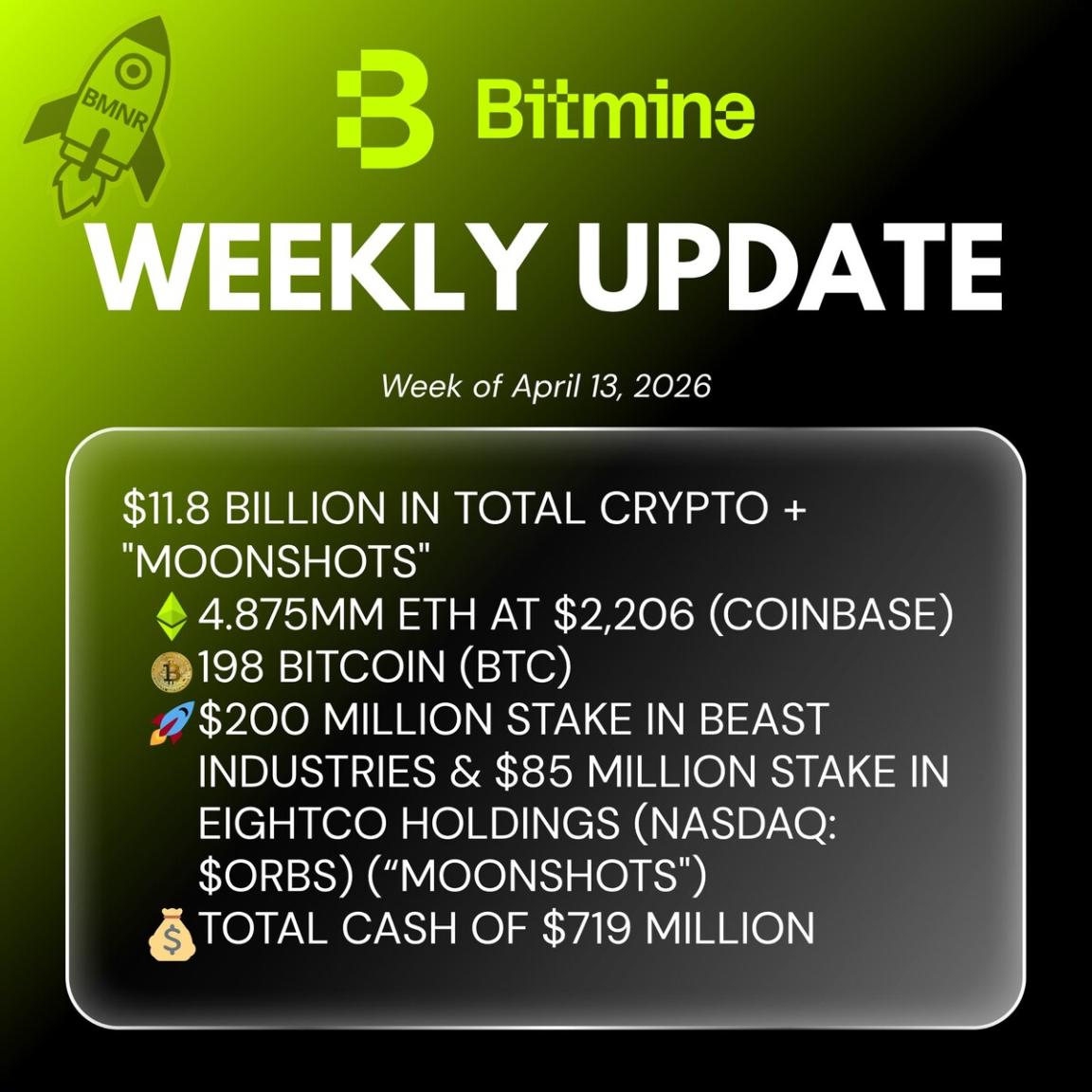
Bitmine Immersion Technologies (BMNR) Announces ETH Holdings Reach 4.875 Million Tokens, and Total Crypto and Total Cash Holdings of $11.8 Billion