Crypto payments are not allowed by UK-licensed betting operators
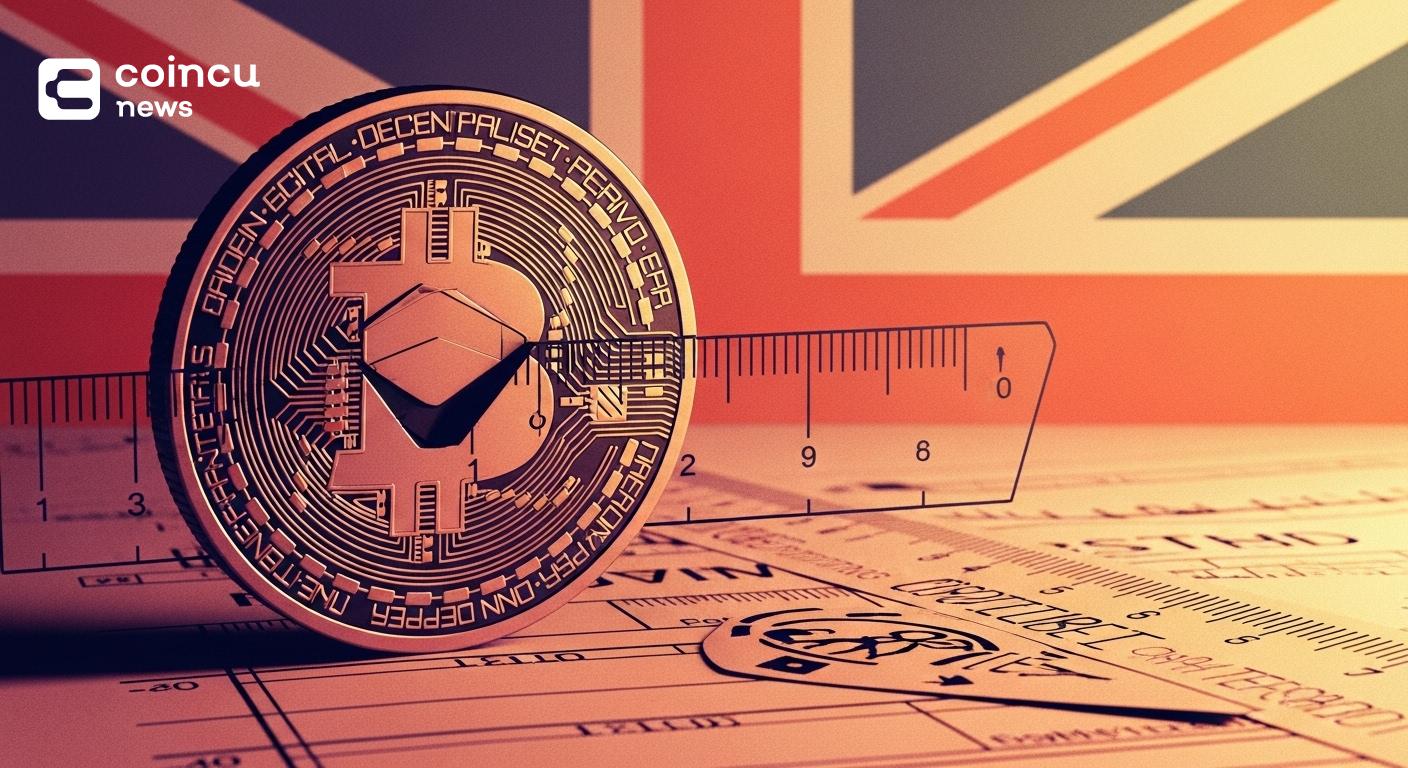
UK-licensed operators in Great Britain cannot accept cryptocurrencies for betting payments under the current regime. According to a UK Parliament written answer on 5 May 2025, doing so would breach existing requirements around payments, anti‑money laundering, and consumer protection.
The same parliamentary record indicates any future use of crypto would first require the operator to satisfy the Commission’s AML and social-responsibility rules and to notify the regulator, potentially via licence changes. That position remains the operative baseline for UK crypto betting regulations.
Why UK crypto betting regulations are under active review
Regulators are examining whether, and under what controls, crypto could be brought inside the licensed market to reduce risks migrating to unregulated channels. As reported by Bloomberg, the gambling watchdog “plans to explore permitting gamblers to pay for their bets with cryptocurrencies.”
Editorially, that exploration reflects mounting policy pressure to reconcile innovation with crime-prevention and safer-gambling duties. InterGame Online has reported remarks from the Commission’s chief executive highlighting compressed timelines and significant hurdles around AML, traceability, and source-of-wealth verification.
UK Gambling Commission crypto payments: operator changes required
A compliance-first path would require operators to rebuild payments due diligence from onboarding to withdrawals. That includes enhanced KYC, consistent source-of-wealth testing for crypto-derived funds, blockchain analytics for provenance, and transaction monitoring calibrated to wallet and exchange risk typologies.
Firms would also need to update financial-crime risk assessments, staff training, and record-keeping; implement friction at deposit thresholds; and prove social-responsibility controls work equivalently for crypto deposits. Licence notifications or variations would be expected where payment methods or risk controls materially change.
Timeline signals and regulatory coordination to watch
FCA stablecoin sandbox and intersection with UKGC and DCMS
Based on materials from the Financial Conduct Authority, a stablecoin sandbox is targeted around early 2026 to test regulated payment use cases. Its standards for issuance, custody, disclosures, and redemptions could shape how gambling payments intersect with financial regulation.
Effective coordination is likely to hinge on avoiding duplicative oversight: financial resilience and conduct under the sandbox, with gambling-specific AML and safer-gambling obligations enforced by the relevant licensing authority. Operators evaluating crypto rails should map wallet due diligence to any sandbox payment-system requirements.
Great Britain licensing scope versus wider UK context
Great Britain licensing covers England, Scotland, and Wales, and does not extend to Northern Ireland. Any movement on UK Gambling Commission crypto payments would therefore apply to that Great Britain scope unless separate arrangements are adopted elsewhere.
At the time of this writing, Bitcoin trades near $66,112 with elevated short-term volatility, providing context for deposit-value swings and affordability checks. Market figures are background only and do not indicate regulatory outcomes.
FAQ about UK crypto betting regulations
What AML and source-of-wealth checks would operators need to accept crypto deposits?
Enhanced KYC, wallet provenance checks using blockchain analytics, consistent source-of-wealth validation for crypto-derived funds, calibrated transaction monitoring, and refreshed financial-crime risk assessments aligned to crypto risks.
How might stablecoins be treated differently from other cryptocurrencies for gambling payments?
If payment stablecoins meet sandbox standards on issuance, custody, and redemption, operators could face clearer fiat-on-chain equivalence, while still meeting gambling AML and safer-gambling obligations.
| DISCLAIMER: The information on this website is provided as general market commentary and does not constitute investment advice. We encourage you to do your own research before investing. |


Other Posts







- China, US Conclude Trade Talks with Focus on Cooperation
- Crypto Weekly: NYSE Backs OKX, Kraken Gets Fed Access, BTC Sells
- Court Upholds Fed’s Rejection of Custodia Bank’s Request
- Former CFO Convicted for $35M Fraudulent Crypto Investment
- DeriW Launches Edge Hour Trading Competition Platform for Derivatives Traders
- Michael Saylor Denies Bitcoin Sell-Off Amid Large BTC Transfer
- Buy Dogecoin on eToro: Step-by-Step Guide for Beginners (2024)
- Kazakhstan Explores Crypto Reserves Backed by National Funds
- JPMorgan Increases Holdings in BlackRock’s Bitcoin ETF
- Nordea Bank Introduces Bitcoin ETP Trading for Nordic Customers
- XRP Spot ETF Launches on Nasdaq Amid Market Fluctuations
- Peter Schiff Challenges Michael Saylor on MSTR’s Business Model
- Thailand Orders Worldcoin to Delete 1.2 Million Biometric Records
- UK Proposes New DeFi Tax Framework to Ease User Burden
- WLFI Under Fire: Analyst Warns Hyperliquid Could Be Next
- Ancient Ethereum Whale Moves $1.19 Billion After Decade
- BlackRock Receives Large Crypto Transfers from Coinbase
- SEC Scrutiny on ALT5 Sigma’s Leadership Disclosure Timing
- Yala Injects $5.5 Million Amid Recovery Efforts
- Radiant Capital Faces $50M Loss in Major Security Breach
- China, US Conclude Trade Talks with Focus on Cooperation
- Crypto Weekly: NYSE Backs OKX, Kraken Gets Fed Access, BTC Sells
- Court Upholds Fed’s Rejection of Custodia Bank’s Request
- Former CFO Convicted for $35M Fraudulent Crypto Investment
- DeriW Launches Edge Hour Trading Competition Platform for Derivatives Traders
- Michael Saylor Denies Bitcoin Sell-Off Amid Large BTC Transfer
- Buy Dogecoin on eToro: Step-by-Step Guide for Beginners (2024)
- Kazakhstan Explores Crypto Reserves Backed by National Funds
- JPMorgan Increases Holdings in BlackRock’s Bitcoin ETF
- Nordea Bank Introduces Bitcoin ETP Trading for Nordic Customers
- XRP Spot ETF Launches on Nasdaq Amid Market Fluctuations
- Peter Schiff Challenges Michael Saylor on MSTR’s Business Model
- Thailand Orders Worldcoin to Delete 1.2 Million Biometric Records
- UK Proposes New DeFi Tax Framework to Ease User Burden
- WLFI Under Fire: Analyst Warns Hyperliquid Could Be Next
- Ancient Ethereum Whale Moves $1.19 Billion After Decade
- BlackRock Receives Large Crypto Transfers from Coinbase
- SEC Scrutiny on ALT5 Sigma’s Leadership Disclosure Timing
- Yala Injects $5.5 Million Amid Recovery Efforts
- Radiant Capital Faces $50M Loss in Major Security Breach
- China, US Conclude Trade Talks with Focus on Cooperation
- Crypto Weekly: NYSE Backs OKX, Kraken Gets Fed Access, BTC Sells
- Court Upholds Fed’s Rejection of Custodia Bank’s Request
- Former CFO Convicted for $35M Fraudulent Crypto Investment
- DeriW Launches Edge Hour Trading Competition Platform for Derivatives Traders
- Michael Saylor Denies Bitcoin Sell-Off Amid Large BTC Transfer
- Buy Dogecoin on eToro: Step-by-Step Guide for Beginners (2024)
- Kazakhstan Explores Crypto Reserves Backed by National Funds
- JPMorgan Increases Holdings in BlackRock’s Bitcoin ETF
- Nordea Bank Introduces Bitcoin ETP Trading for Nordic Customers
- XRP Spot ETF Launches on Nasdaq Amid Market Fluctuations
- Peter Schiff Challenges Michael Saylor on MSTR’s Business Model
- Thailand Orders Worldcoin to Delete 1.2 Million Biometric Records
- UK Proposes New DeFi Tax Framework to Ease User Burden
- WLFI Under Fire: Analyst Warns Hyperliquid Could Be Next
- Ancient Ethereum Whale Moves $1.19 Billion After Decade
- BlackRock Receives Large Crypto Transfers from Coinbase
- SEC Scrutiny on ALT5 Sigma’s Leadership Disclosure Timing
- Yala Injects $5.5 Million Amid Recovery Efforts
- Radiant Capital Faces $50M Loss in Major Security Breach



Midnight Foundation Says Wanchain Cardano BNB Bridge Was Attacked
Bitmine Immersion Technologies (BMNR) Announces ETH Holdings Reach 5.78 Million Tokens, and Total Crypto and Total Cash Holdings of $11.5 Billion

GLOBAL MEDIA PROCUREMENT: THE 500-YEAR YIXING ZISHA TEAPOTS PARADIGM