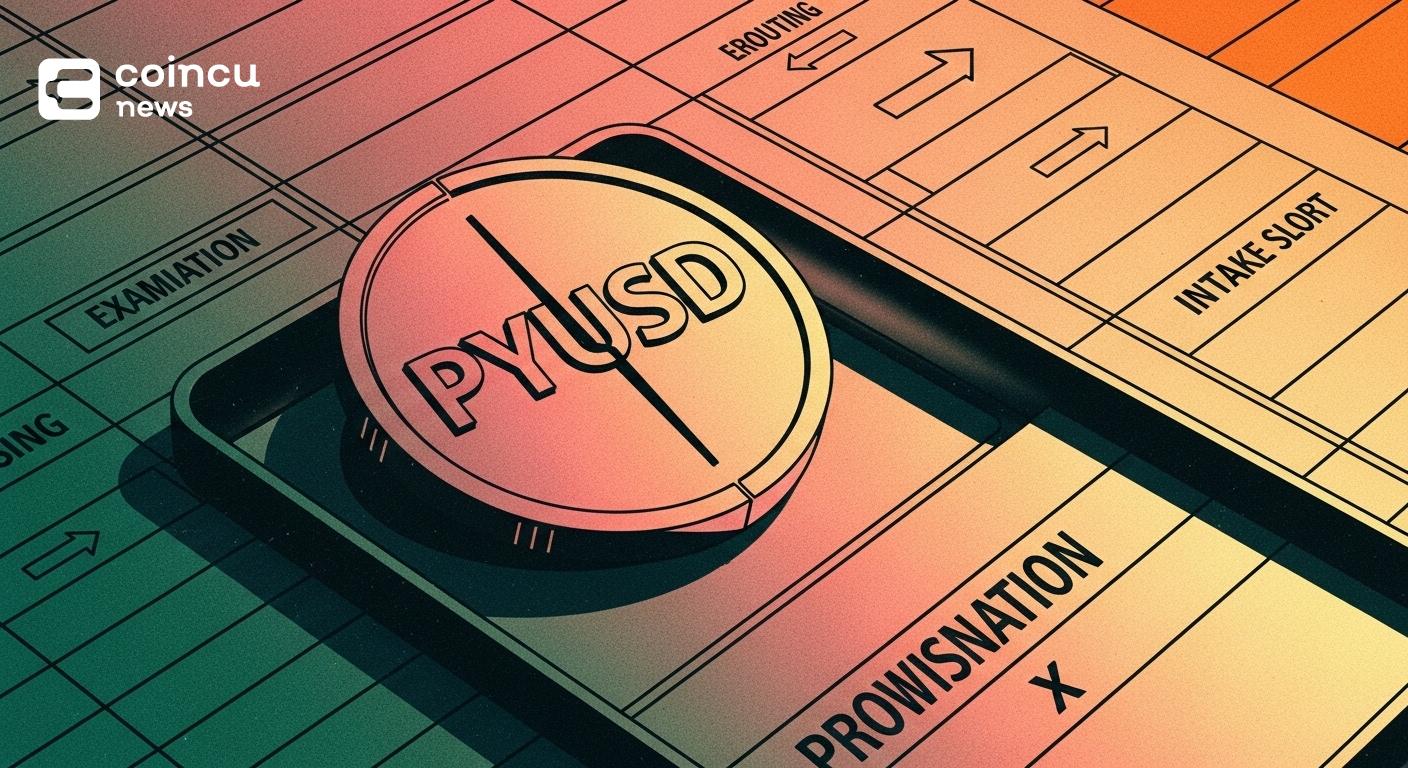
What PYUSDx is: app-specific stablecoins backed by PayPal USD (PYUSD)
PYUSDx is a new framework from PayPal, MoonPay, and M0 that lets developers issue application-specific stablecoins collateralized by PayPal USD (PYUSD). according to crypto.news/paypal-moonpay-pyusdx-custom-stablecoins-2026/” target=”_blank” rel=”nofollow noopener”>Crypto.news, the platform enables custom, branded dollar tokens that inherit PYUSD’s peg and settlement properties.
In practice, an application mints its own token while using PYUSD as the reserve asset, so the token’s stability depends on the underlying PYUSD. This design isolates app-level branding and functionality from the core monetary reserve.
Why it matters: faster deployment, lower complexity, branded dollar tokens
The immediate promise is shorter time-to-market and reduced operational complexity for teams that would otherwise build and run full stablecoin stacks. As reported by The Defiant, PYUSDx is positioned to simplify creation and lifecycle management of application-specific stablecoins.
Branded dollar tokens can align incentives across ecosystems, from fintech to gaming and remittances. The approach could also standardize risk management by concentrating reserve backing in a single, transparent base asset.
Immediate impact: roles of PayPal, MoonPay, M0; separation, onboarding
Operationally, PayPal supplies the underlying PYUSD, while MoonPay handles issuance and distribution services for clients, and M0 contributes infrastructure to connect liquidity and developer tooling. Blockster characterized PYUSDx as a stablecoin-in-a-box layer that integrates these distinct roles into one framework.
Early commentary underscores that PYUSDx-issued tokens are not PYUSD itself and are separate from PayPal and Venmo consumer accounts. Yellow.com noted this separation, adding that anchoring to PYUSD’s reserves is intended to strengthen regulatory clarity.
MoonPay has framed its participation as extending beyond onramps into issuance and distribution for developers. “Through PYUSDx, the MoonPay Group is extending its issuance and distribution capabilities to make PYUSD more accessible to developers, reducing the technical and operational complexity of bringing application-specific stablecoins to market,” said Ivan Soto-Wright, CEO of MoonPay, via The Cryptonomist.
How PYUSDx compares to USDC and white‑label alternatives
Liquidity, interoperability, and adoption versus USDC/USDT dominance
USDC and USDT retain deep, entrenched liquidity across exchanges and DeFi venues, which new app-specific tokens must navigate. Stablecoin Insider highlights that adoption inertia may slow displacement of incumbents even with improved tooling.
Interoperability for PYUSDx-issued tokens will reflect where developers integrate them and the venues that support conversion back to PYUSD. Liquidity concentration could remain at the PYUSD layer, with app tokens bridging into it when needed.
Time-to-market, costs, and operational risk under the PYUSDx model
The framework is designed to reduce buildout time and operating overhead versus bespoke issuance, but those gains come with ongoing compliance and product risks. The Street notes that legal liabilities, operational controls, and user adoption remain critical execution factors.
As contextual backdrop, PYUSD saw a 216% growth burst in under 90 days during a prior period, based on data from DeFiLlama. Such growth may inform developer perceptions of reserve stability and ecosystem momentum.
FAQ about PYUSDx
How do PYUSDx-issued tokens differ from PYUSD, are they usable in PayPal/Venmo, and who holds the reserves and redemption obligations?
They are distinct, app-branded tokens backed by PYUSD. They are separate from PayPal/Venmo consumer accounts. Reserves sit in PYUSD; redemption obligations depend on issuer arrangements disclosed at launch.
Who can launch with PYUSDx and what compliance (KYC/AML, licensing) requirements apply?
Framework targets developers, fintechs, dApps, and brands. Participation remains subject to KYC/AML and licensing appropriate to jurisdictions. Specific requirements were not disclosed in initial materials.
| DISCLAIMER: The information on this website is provided as general market commentary and does not constitute investment advice. We encourage you to do your own research before investing. |


Other Posts









- Amplify 2024: Ohio’s Premier Blockchain Summit
- Polymarket Announces U.S. Beta Relaunch Amid Market Buzz
- China, US Conclude Trade Talks with Focus on Cooperation
- Crypto Weekly: NYSE Backs OKX, Kraken Gets Fed Access, BTC Sells
- CELO holds as Celo reviews Opera 160M token claim
- DeriW Launches Edge Hour Trading Competition Platform for Derivatives Traders
- Michael Saylor Denies Bitcoin Sell-Off Amid Large BTC Transfer
- Court Upholds Fed’s Rejection of Custodia Bank’s Request
- EU Opens Antitrust Probe Into Deutsche Boerse and Nasdaq Derivatives Dealings
- Kazakhstan Explores Crypto Reserves Backed by National Funds
- JPMorgan Increases Holdings in BlackRock’s Bitcoin ETF
- Nordea Bank Introduces Bitcoin ETP Trading for Nordic Customers
- XRP Spot ETF Launches on Nasdaq Amid Market Fluctuations
- JPMorgan Chase Launches 24/7 Digital Deposit Token for Clients
- Crypto Leaders Address Macro Volatility Amid Market Shifts
- Former CFO Convicted for $35M Fraudulent Crypto Investment
- Peter Schiff Challenges Michael Saylor on MSTR’s Business Model
- Thailand Orders Worldcoin to Delete 1.2 Million Biometric Records
- UK Proposes New DeFi Tax Framework to Ease User Burden
- U.S. Treasury Proposes New Tax Relief Regulations
- Amplify 2024: Ohio’s Premier Blockchain Summit
- Polymarket Announces U.S. Beta Relaunch Amid Market Buzz
- China, US Conclude Trade Talks with Focus on Cooperation
- Crypto Weekly: NYSE Backs OKX, Kraken Gets Fed Access, BTC Sells
- CELO holds as Celo reviews Opera 160M token claim
- DeriW Launches Edge Hour Trading Competition Platform for Derivatives Traders
- Michael Saylor Denies Bitcoin Sell-Off Amid Large BTC Transfer
- Court Upholds Fed’s Rejection of Custodia Bank’s Request
- EU Opens Antitrust Probe Into Deutsche Boerse and Nasdaq Derivatives Dealings
- Kazakhstan Explores Crypto Reserves Backed by National Funds
- JPMorgan Increases Holdings in BlackRock’s Bitcoin ETF
- Nordea Bank Introduces Bitcoin ETP Trading for Nordic Customers
- XRP Spot ETF Launches on Nasdaq Amid Market Fluctuations
- JPMorgan Chase Launches 24/7 Digital Deposit Token for Clients
- Crypto Leaders Address Macro Volatility Amid Market Shifts
- Former CFO Convicted for $35M Fraudulent Crypto Investment
- Peter Schiff Challenges Michael Saylor on MSTR’s Business Model
- Thailand Orders Worldcoin to Delete 1.2 Million Biometric Records
- UK Proposes New DeFi Tax Framework to Ease User Burden
- U.S. Treasury Proposes New Tax Relief Regulations
- Amplify 2024: Ohio’s Premier Blockchain Summit
- Polymarket Announces U.S. Beta Relaunch Amid Market Buzz
- China, US Conclude Trade Talks with Focus on Cooperation
- Crypto Weekly: NYSE Backs OKX, Kraken Gets Fed Access, BTC Sells
- CELO holds as Celo reviews Opera 160M token claim
- DeriW Launches Edge Hour Trading Competition Platform for Derivatives Traders
- Michael Saylor Denies Bitcoin Sell-Off Amid Large BTC Transfer
- Court Upholds Fed’s Rejection of Custodia Bank’s Request
- EU Opens Antitrust Probe Into Deutsche Boerse and Nasdaq Derivatives Dealings
- Kazakhstan Explores Crypto Reserves Backed by National Funds
- JPMorgan Increases Holdings in BlackRock’s Bitcoin ETF
- Nordea Bank Introduces Bitcoin ETP Trading for Nordic Customers
- XRP Spot ETF Launches on Nasdaq Amid Market Fluctuations
- JPMorgan Chase Launches 24/7 Digital Deposit Token for Clients
- Crypto Leaders Address Macro Volatility Amid Market Shifts
- Former CFO Convicted for $35M Fraudulent Crypto Investment
- Peter Schiff Challenges Michael Saylor on MSTR’s Business Model
- Thailand Orders Worldcoin to Delete 1.2 Million Biometric Records
- UK Proposes New DeFi Tax Framework to Ease User Burden
- U.S. Treasury Proposes New Tax Relief Regulations
Latest



Press Release
Printr Launches V2 Platform Update With Five Fee Models and On-Chain Proof of Belief Staking
Could DOGEBALL Outpace the Ark ROI? Analyzing the Top Meme Coin Presales This Week