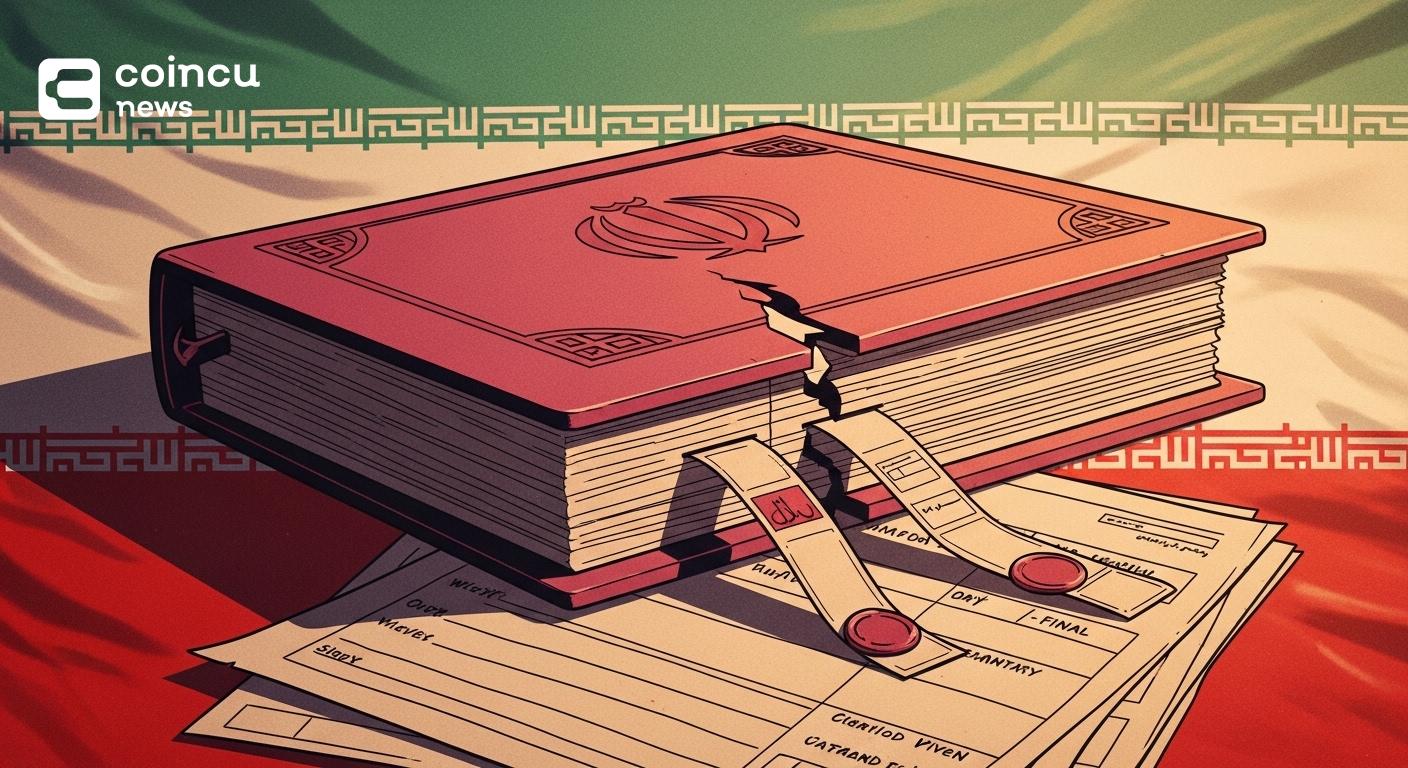
Reported strike on Khamenei’s residence: what’s confirmed so far
The United States and Israel launched a major attack against Tehran on Saturday, and coverage has centered on a reported decapitation strike against Ayatollah Ali Khamenei’s residence, as reported by The New York Times. Open-source assessments continue to verify what occurred at the compound and across the city.
Approximately 30 bombs were dropped on Khamenei’s compound in Tehran during the joint operation, according to Ynetnews. These accounts describe simultaneous targeting of high-level meetings and leadership facilities.
Satellite imagery published after the strikes shows Khamenei’s residence compound severely damaged, with structures destroyed and landscaping flattened, as reported by Business Insider. The visual evidence aligns with descriptions of a concentrated strike package on the site.
Iran state media officially reported that Supreme Leader Ali Khamenei was killed in the joint U.S.-Israeli attack, according to USA Today. Independent casualty tallies and forensic confirmations were not available in the immediate aftermath.
Why this alleged decapitation strike matters for Iran and beyond
Analysts characterize the operation as a decapitation strike aimed at removing Iran’s central decision-maker, as reported by the Atlantic Council. They note Khamenei shaped the state’s ideology and security architecture, so his removal could reverberate across Iran’s institutions and regional networks.
In public remarks, U.S. President Donald Trump framed the moment in explicitly political terms. “The single greatest chance for the Iranian people to take back their Country,” he said, as reported by Newsweek.
European governments urged restraint, emphasizing diplomacy over escalation. France, Germany, and the UK jointly called on iran to negotiate rather than escalate further, as reported by The Guardian.
Immediate impacts after the U.S.-Israel attack on Tehran
Early diplomatic fallout included pointed legal objections from regional mediators and great-power criticism. Oman described the operation as a violation of international law and urged peaceful dispute resolution, while Russia and China also issued forceful condemnations, as reported by ABC news.
At the time of this writing, Bitcoin stayed above $67,000, and the total crypto market capitalization rose 2.3%, as reported by The Washington Post. Market moves may reflect broader geopolitical risk, though causality is uncertain.
Crypto activity tied to Iran has been material under sanctions pressure. TRM Labs estimates around $10 billion of crypto activity in Iran last year, and reporting notes usage has risen as the rial weakened and restrictions persisted.
Legal context and Iran’s succession: key points
International law on targeting a head of state
Under the UN Charter, cross-border force is generally prohibited except in self-defense, with necessity and proportionality central to any justification. Targeting a sitting head of state on home territory raises extrajudicial-killing and due-process concerns. Legal assessments often focus on imminence of threat, scope of the operation, and measures to minimize civilian harm.
How Iran’s succession may proceed if the leader dies
Analysts caution that removing the supreme leader could create a power vacuum and stress formal and informal succession mechanisms, as reported by the Hindustan Times. In a crisis, interim arrangements and security actors could exert outsized influence until a new equilibrium emerges.
FAQ about decapitation strike
Has Khamenei’s death been officially confirmed and by whom?
Iran state media officially reported his death. Foreign leaders also issued statements asserting his death.
What does international law say about targeting a head of state in their own country?
The UN Charter restricts force to self-defense. Such targeting raises necessity, proportionality, and extrajudicial-killing concerns under international law.
| DISCLAIMER: The information on this website is provided as general market commentary and does not constitute investment advice. We encourage you to do your own research before investing. |


Other Posts









- Amplify 2024: Ohio’s Premier Blockchain Summit
- Polymarket Announces U.S. Beta Relaunch Amid Market Buzz
- China, US Conclude Trade Talks with Focus on Cooperation
- Crypto Weekly: NYSE Backs OKX, Kraken Gets Fed Access, BTC Sells
- CELO holds as Celo reviews Opera 160M token claim
- DeriW Launches Edge Hour Trading Competition Platform for Derivatives Traders
- Michael Saylor Denies Bitcoin Sell-Off Amid Large BTC Transfer
- Court Upholds Fed’s Rejection of Custodia Bank’s Request
- EU Opens Antitrust Probe Into Deutsche Boerse and Nasdaq Derivatives Dealings
- Kazakhstan Explores Crypto Reserves Backed by National Funds
- JPMorgan Increases Holdings in BlackRock’s Bitcoin ETF
- Nordea Bank Introduces Bitcoin ETP Trading for Nordic Customers
- XRP Spot ETF Launches on Nasdaq Amid Market Fluctuations
- JPMorgan Chase Launches 24/7 Digital Deposit Token for Clients
- Crypto Leaders Address Macro Volatility Amid Market Shifts
- Former CFO Convicted for $35M Fraudulent Crypto Investment
- Peter Schiff Challenges Michael Saylor on MSTR’s Business Model
- Thailand Orders Worldcoin to Delete 1.2 Million Biometric Records
- UK Proposes New DeFi Tax Framework to Ease User Burden
- U.S. Treasury Proposes New Tax Relief Regulations
- Amplify 2024: Ohio’s Premier Blockchain Summit
- Polymarket Announces U.S. Beta Relaunch Amid Market Buzz
- China, US Conclude Trade Talks with Focus on Cooperation
- Crypto Weekly: NYSE Backs OKX, Kraken Gets Fed Access, BTC Sells
- CELO holds as Celo reviews Opera 160M token claim
- DeriW Launches Edge Hour Trading Competition Platform for Derivatives Traders
- Michael Saylor Denies Bitcoin Sell-Off Amid Large BTC Transfer
- Court Upholds Fed’s Rejection of Custodia Bank’s Request
- EU Opens Antitrust Probe Into Deutsche Boerse and Nasdaq Derivatives Dealings
- Kazakhstan Explores Crypto Reserves Backed by National Funds
- JPMorgan Increases Holdings in BlackRock’s Bitcoin ETF
- Nordea Bank Introduces Bitcoin ETP Trading for Nordic Customers
- XRP Spot ETF Launches on Nasdaq Amid Market Fluctuations
- JPMorgan Chase Launches 24/7 Digital Deposit Token for Clients
- Crypto Leaders Address Macro Volatility Amid Market Shifts
- Former CFO Convicted for $35M Fraudulent Crypto Investment
- Peter Schiff Challenges Michael Saylor on MSTR’s Business Model
- Thailand Orders Worldcoin to Delete 1.2 Million Biometric Records
- UK Proposes New DeFi Tax Framework to Ease User Burden
- U.S. Treasury Proposes New Tax Relief Regulations
- Amplify 2024: Ohio’s Premier Blockchain Summit
- Polymarket Announces U.S. Beta Relaunch Amid Market Buzz
- China, US Conclude Trade Talks with Focus on Cooperation
- Crypto Weekly: NYSE Backs OKX, Kraken Gets Fed Access, BTC Sells
- CELO holds as Celo reviews Opera 160M token claim
- DeriW Launches Edge Hour Trading Competition Platform for Derivatives Traders
- Michael Saylor Denies Bitcoin Sell-Off Amid Large BTC Transfer
- Court Upholds Fed’s Rejection of Custodia Bank’s Request
- EU Opens Antitrust Probe Into Deutsche Boerse and Nasdaq Derivatives Dealings
- Kazakhstan Explores Crypto Reserves Backed by National Funds
- JPMorgan Increases Holdings in BlackRock’s Bitcoin ETF
- Nordea Bank Introduces Bitcoin ETP Trading for Nordic Customers
- XRP Spot ETF Launches on Nasdaq Amid Market Fluctuations
- JPMorgan Chase Launches 24/7 Digital Deposit Token for Clients
- Crypto Leaders Address Macro Volatility Amid Market Shifts
- Former CFO Convicted for $35M Fraudulent Crypto Investment
- Peter Schiff Challenges Michael Saylor on MSTR’s Business Model
- Thailand Orders Worldcoin to Delete 1.2 Million Biometric Records
- UK Proposes New DeFi Tax Framework to Ease User Burden
- U.S. Treasury Proposes New Tax Relief Regulations
Latest

Crypto Fund Manager McCann Under Investigation After Fiancée’s Death

Cobo Releases ACL Settlement Layer for Public Chains and Stablecoin Payments

Lido Growth Committee Wallet Receives 4.82M LDO Amid Repurchase Execution
Press Release
Crypto News Today: DOGEBALL Presale Hits $200K as FLOKI and WIF Face Key Resistance Levels

Tyga Enters 1win VIP Program, as Platform Blends Crypto and Entertainment