Binance’s Role in Cryptocurrency Flash Crash Under Scrutiny
- Evgeny Gaevoy criticized the blame placed on Binance for the crash.
- Binance admitted technical issues but denied being the primary cause.
- High-leverage trading and low liquidity were significant factors.
Wintermute’s founder, Evgeny Gaevoy, criticized scapegoating tactics on X over the October cryptocurrency flash crash, citing high leverage and macroeconomic factors as real causes.
The incident highlights the fragile nature of crypto markets during low liquidity, sparking debates around exchange accountability and market dynamics impacting investor sentiment.
Involved Parties
Evgeny Gaevoy, founder of Wintermute, criticized misplaced blame on Binance for the crash. Binance admitted to technical issues but denied these were crucial, while OKX’s CEO accused Binance’s marketing of causing the incident. High-leverage trading conditions and low liquidity were the main factors, with Binance’s role stirring controversy.
The immediate implications highlight the fragile state of cryptocurrency markets susceptible to rapid value changes under specific conditions. The discussion centers on market robustness and transparency, suggesting potential changes in internal risk management among exchanges.
BingX offers exclusive rewards and top-tier security for new and high-volume crypto traders.
Market reactions featured pronounced criticism and debate among industry leaders, including Gaevoy’s remarks. Binance faced scrutiny, and the broader community voiced concerns, reflecting the ongoing struggle with trust and stability. Statements emphasized the complexity of attributing crashes to single causes, advocating comprehensive analysis over simplistic blame.
“I really wish public figures would be more careful with their wording. 10/10 is clearly not a ‘software glitch,’ but rather a flash crash that occurred in a high-leverage market influenced by macroeconomic news under conditions of low liquidity on Friday night. Since we’re on this topic, I understand that no one likes being in a bear market, watching all assets except cryptocurrencies rise. It’s certainly comfortable to find a scapegoat, but placing all the blame on one exchange is rather dishonest.” — Evgeny Gaevoy, Founder & CEO, Wintermute
Market Reactions
Did you know? In previous major crashes, such as the October 10th event, macroeconomic factors heavily influenced market sentiment, similarly involving multiple exchanges and triggering wide-scale adverse dynamics.
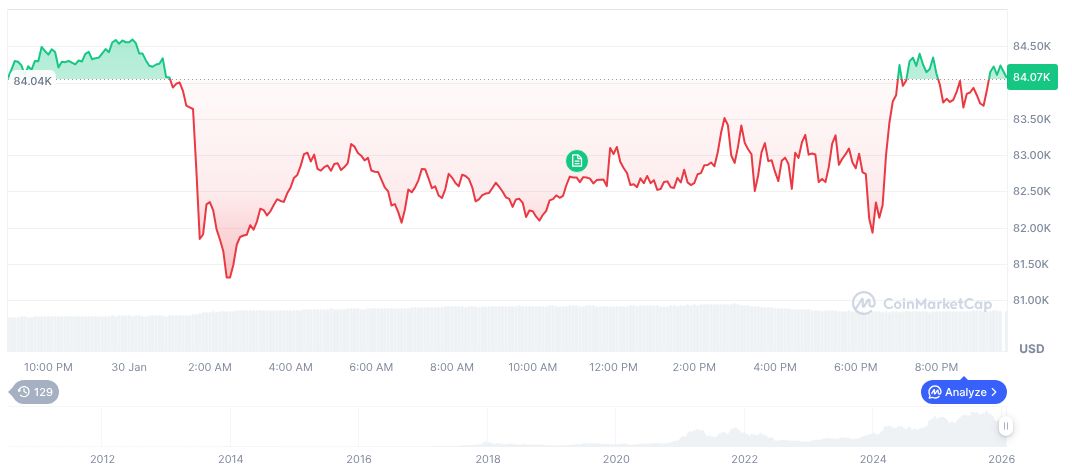
Bitcoin, as tracked on CoinMarketCap, shows a current price of $77,282.53 with a market cap of $1.54 trillion and dominance at 59.05%. The 24-hour volume marked a 6.47% decrease to $67.31 billion. Bitcoin’s value faced notable decreases across various time frames, indicating volatility amidst recent market events.
The Coincu research team suggests potential regulatory and operational shifts for exchanges like Binance. Their analysis underscores the need for enhanced transparency and robust risk management systems, considering historical patterns and emerging trends affecting the cryptocurrency landscape.
| DISCLAIMER: The information on this website is provided as general market commentary and does not constitute investment advice. We encourage you to do your own research before investing. |

No tags available.


Other Posts









- Amplify 2024: Ohio’s Premier Blockchain Summit
- Polymarket Announces U.S. Beta Relaunch Amid Market Buzz
- China, US Conclude Trade Talks with Focus on Cooperation
- Michael Saylor Denies Bitcoin Sell-Off Amid Large BTC Transfer
- Court Upholds Fed’s Rejection of Custodia Bank’s Request
- EU Opens Antitrust Probe Into Deutsche Boerse and Nasdaq Derivatives Dealings
- Kazakhstan Explores Crypto Reserves Backed by National Funds
- Nordea Bank Introduces Bitcoin ETP Trading for Nordic Customers
- JPMorgan Increases Holdings in BlackRock’s Bitcoin ETF
- XRP Spot ETF Launches on Nasdaq Amid Market Fluctuations
- JPMorgan Chase Launches 24/7 Digital Deposit Token for Clients
- Crypto Leaders Address Macro Volatility Amid Market Shifts
- Former CFO Convicted for $35M Fraudulent Crypto Investment
- Peter Schiff Challenges Michael Saylor on MSTR’s Business Model
- U.S. Treasury Proposes New Tax Relief Regulations
- Japan to Reduce Cryptocurrency Tax to 20%
- Amazon seeks to raise about $12 billion through a U.S. bond offering
- Radiant Capital Faces $50M Loss in Major Security Breach
- SEGG Media Unveils $300 Million Crypto Reserve Plan
- Yala Injects $5.5 Million Amid Recovery Efforts
- Amplify 2024: Ohio’s Premier Blockchain Summit
- Polymarket Announces U.S. Beta Relaunch Amid Market Buzz
- China, US Conclude Trade Talks with Focus on Cooperation
- Michael Saylor Denies Bitcoin Sell-Off Amid Large BTC Transfer
- Court Upholds Fed’s Rejection of Custodia Bank’s Request
- EU Opens Antitrust Probe Into Deutsche Boerse and Nasdaq Derivatives Dealings
- Kazakhstan Explores Crypto Reserves Backed by National Funds
- Nordea Bank Introduces Bitcoin ETP Trading for Nordic Customers
- JPMorgan Increases Holdings in BlackRock’s Bitcoin ETF
- XRP Spot ETF Launches on Nasdaq Amid Market Fluctuations
- JPMorgan Chase Launches 24/7 Digital Deposit Token for Clients
- Crypto Leaders Address Macro Volatility Amid Market Shifts
- Former CFO Convicted for $35M Fraudulent Crypto Investment
- Peter Schiff Challenges Michael Saylor on MSTR’s Business Model
- U.S. Treasury Proposes New Tax Relief Regulations
- Japan to Reduce Cryptocurrency Tax to 20%
- Amazon seeks to raise about $12 billion through a U.S. bond offering
- Radiant Capital Faces $50M Loss in Major Security Breach
- SEGG Media Unveils $300 Million Crypto Reserve Plan
- Yala Injects $5.5 Million Amid Recovery Efforts
- Amplify 2024: Ohio’s Premier Blockchain Summit
- Polymarket Announces U.S. Beta Relaunch Amid Market Buzz
- China, US Conclude Trade Talks with Focus on Cooperation
- Michael Saylor Denies Bitcoin Sell-Off Amid Large BTC Transfer
- Court Upholds Fed’s Rejection of Custodia Bank’s Request
- EU Opens Antitrust Probe Into Deutsche Boerse and Nasdaq Derivatives Dealings
- Kazakhstan Explores Crypto Reserves Backed by National Funds
- Nordea Bank Introduces Bitcoin ETP Trading for Nordic Customers
- JPMorgan Increases Holdings in BlackRock’s Bitcoin ETF
- XRP Spot ETF Launches on Nasdaq Amid Market Fluctuations
- JPMorgan Chase Launches 24/7 Digital Deposit Token for Clients
- Crypto Leaders Address Macro Volatility Amid Market Shifts
- Former CFO Convicted for $35M Fraudulent Crypto Investment
- Peter Schiff Challenges Michael Saylor on MSTR’s Business Model
- U.S. Treasury Proposes New Tax Relief Regulations
- Japan to Reduce Cryptocurrency Tax to 20%
- Amazon seeks to raise about $12 billion through a U.S. bond offering
- Radiant Capital Faces $50M Loss in Major Security Breach
- SEGG Media Unveils $300 Million Crypto Reserve Plan
- Yala Injects $5.5 Million Amid Recovery Efforts
Latest











Press Release

Bybit Launches AI Skills: Powering AI Agents for Crypto Trading With Zero Setup, 253 API Endpoints and Growing

Eightco (NASDAQ: ORBS) Secures $125M in Institutional Commitments Led by Bitmine (NYSE: BMNR), Cathie Wood’s ARK Invest, and Payward to Expand into Next Generation Technology