Ethereum Ecosystem Progress 2025 Shows Record DeFi, L2 Growth, and Institutional Adoption
Key Points
- Ethereum officially reviewed its ecosystem progress in 2025, highlighting record DeFi liquidity, Layer 2 scaling, and institutional participation.
- Key metrics show Ethereum evolving beyond experimentation into production-grade digital infrastructure.
- As 2026 approaches, Ethereum’s ecosystem increasingly reflects long-term structural adoption rather than cyclical hype.
Ethereum Ecosystem Progress in 2025 marked a turning point for the network. While market attention often focused on price action, Ethereum’s on-chain data painted a clearer picture of maturity driven by usage, scale, and capital depth.
From decentralized finance and stablecoins to Layer 2 performance and institutional balance sheets, Ethereum Ecosystem Progress this year was defined by measurable adoption across multiple layers of the stack.
Ethereum Ecosystem Progress Driven by DeFi, Stablecoins, and Institutional Capital
DeFi was the strength behind the progress of the Ethereum Ecosystem in 2025. DeFi value locked on Ethereum was above $99 billion, and the liquid assets lead was substantially ahead of other Layer 1s. This further amplified the fact that the core layer of global on-chain liquidity was the layer that Ethereum provides.
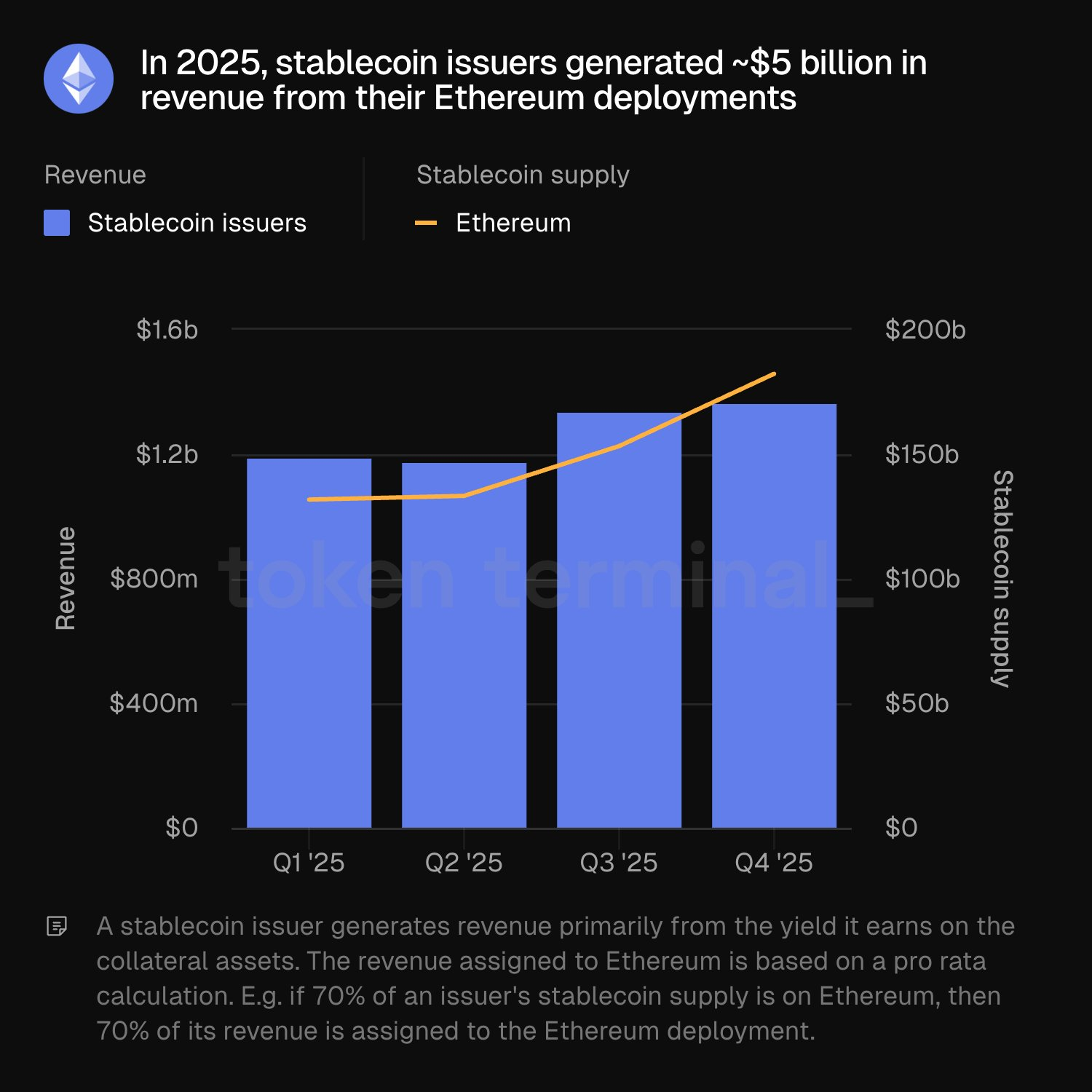
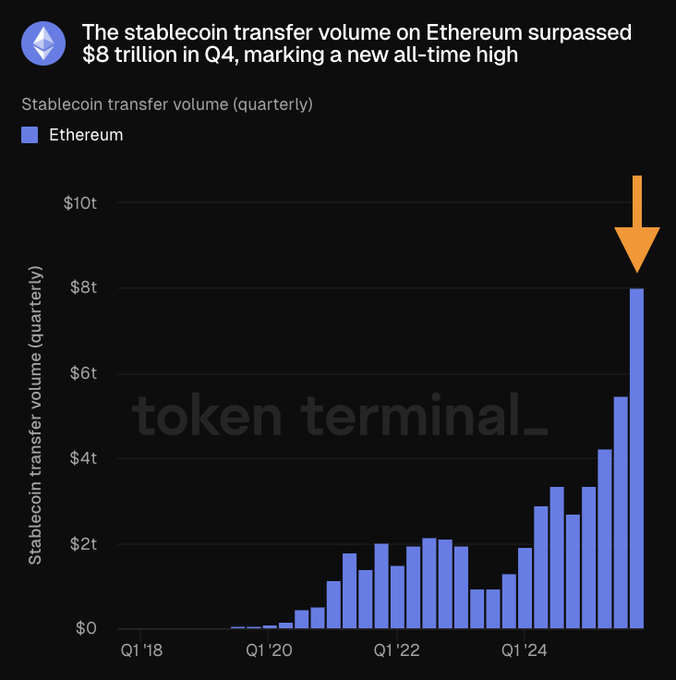
Stable coins also contributed to the financial utility of Ethereum. The settlement amount increased to $18.8 trillion, in a year where Ethereum is becoming a worldwide settlement infrastructure for digital dollars.
Institutional involvement grew in accordance with these developments. Overall, exchange-traded funds, strategic reserves, and other institutional investment vehicles held more than $35 billion in ETH, symbolizing growing trust in Ethereum’s long-term value as an investment alternative.
At the same time, the amount of real-world assets issued through Ethereum’s smart contracts crossed the $12 billion mark.
All these stories implied that Ethereum Ecosystem Growth can occur either through structural growth, capital deployment and real-world financial activity, or speculation. Scalability of Layer 2 Network Information and Structural Maturity Indicators.
Layer 2 Scaling and Network Metrics Signal Structural Maturity
Layer 2 adoption marked the defining characteristic of the progress of the Ethereum Ecosystem in the year 2025. The transaction costs for Layer 2 were under $0.01, and the average throughput of the rollup reached above 5,600 transactions per second for the first time, proving the proposed roadmap of the Ethereum Foundation.
Additionally, protocol upgrades delivered an impetus to this growth. Enhancements related to data availability as well as an increase in gas limits for Layer 1 led to an increase in settlement capacity, which enabled the Ethereum mainnet to secure anchoring for security and decentralization while shifting its execution to rollups.
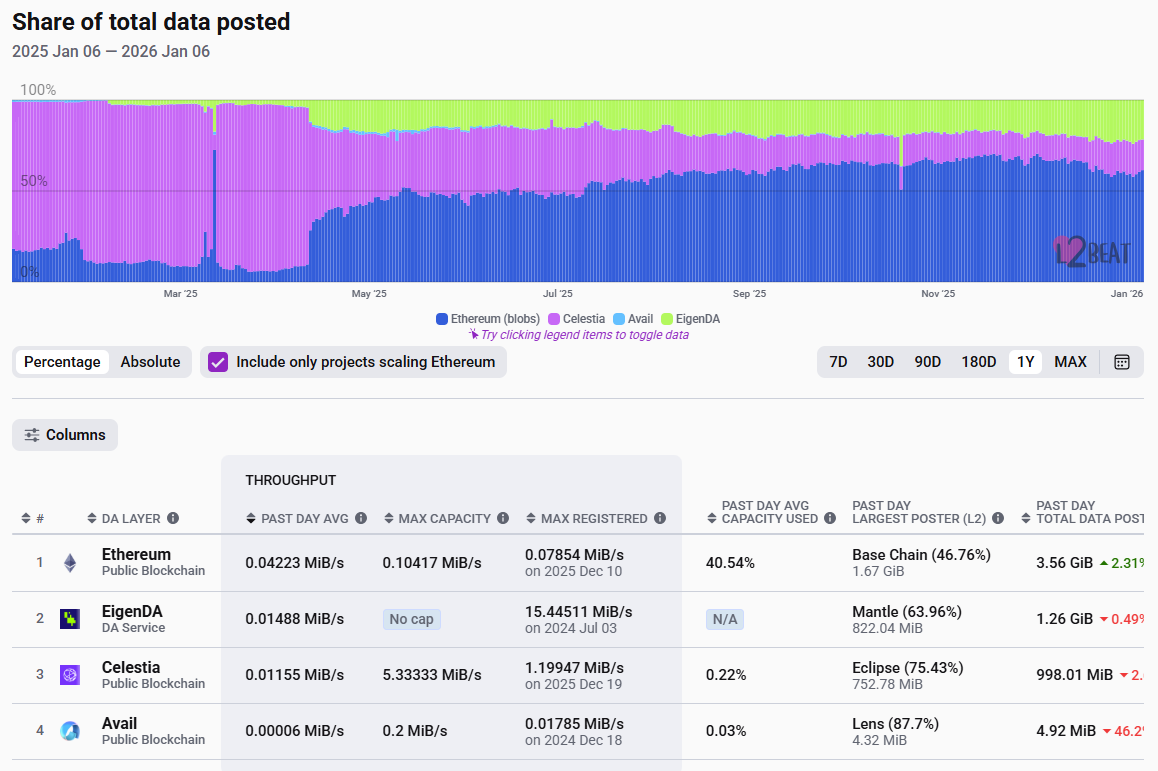
“Network-level indicators highlighted the scale of Ethereum’s network, where the number of overall deployed smart contracts surpassed 88 million, while the daily transactions reached a record 1.74 million,”
The activity level of developers has also been unparalleled, with approximately 32,000 active developers still developing within the Ethereum ecosystem.
Taken collectively, these metrics seem to indicate that Ethereum Ecosystem Progress is trending from the experimentation phase towards the establishment of lasting global infrastructure.
Ethereum Enters 2026 as Infrastructure, Not Experiment
As Ethereum marked its tenth year on mainnet, the network hit 88 million+ smart contracts created, with a record 1.74 million transactions per day. At the same time, Ethereum has sustained the largest number of developers in the whole sector, boasting 32,000+ active developers in its ranks.
The developments that have taken place in Ethereum in 2025 indicate that it’s moving in a definite way. The measure of Ethereum has changed from experiment to reliability and scalability as it heads into 2026, because it is being developed as digital infrastructure.
| DISCLAIMER: The information on this website is provided as general market commentary and does not constitute investment advice. We encourage you to do your own research before investing. |

No tags available.


Other Posts









- Amplify 2024: Ohio’s Premier Blockchain Summit
- Polymarket Announces U.S. Beta Relaunch Amid Market Buzz
- China, US Conclude Trade Talks with Focus on Cooperation
- Michael Saylor Denies Bitcoin Sell-Off Amid Large BTC Transfer
- Court Upholds Fed’s Rejection of Custodia Bank’s Request
- EU Opens Antitrust Probe Into Deutsche Boerse and Nasdaq Derivatives Dealings
- Kazakhstan Explores Crypto Reserves Backed by National Funds
- Nordea Bank Introduces Bitcoin ETP Trading for Nordic Customers
- JPMorgan Increases Holdings in BlackRock’s Bitcoin ETF
- XRP Spot ETF Launches on Nasdaq Amid Market Fluctuations
- JPMorgan Chase Launches 24/7 Digital Deposit Token for Clients
- Crypto Leaders Address Macro Volatility Amid Market Shifts
- Former CFO Convicted for $35M Fraudulent Crypto Investment
- Peter Schiff Challenges Michael Saylor on MSTR’s Business Model
- U.S. Treasury Proposes New Tax Relief Regulations
- Japan to Reduce Cryptocurrency Tax to 20%
- Amazon seeks to raise about $12 billion through a U.S. bond offering
- Radiant Capital Faces $50M Loss in Major Security Breach
- SEGG Media Unveils $300 Million Crypto Reserve Plan
- 21Shares Files S-1 With SEC to Launch Hyperliquid ($HYPE) ETF
- Amplify 2024: Ohio’s Premier Blockchain Summit
- Polymarket Announces U.S. Beta Relaunch Amid Market Buzz
- China, US Conclude Trade Talks with Focus on Cooperation
- Michael Saylor Denies Bitcoin Sell-Off Amid Large BTC Transfer
- Court Upholds Fed’s Rejection of Custodia Bank’s Request
- EU Opens Antitrust Probe Into Deutsche Boerse and Nasdaq Derivatives Dealings
- Kazakhstan Explores Crypto Reserves Backed by National Funds
- Nordea Bank Introduces Bitcoin ETP Trading for Nordic Customers
- JPMorgan Increases Holdings in BlackRock’s Bitcoin ETF
- XRP Spot ETF Launches on Nasdaq Amid Market Fluctuations
- JPMorgan Chase Launches 24/7 Digital Deposit Token for Clients
- Crypto Leaders Address Macro Volatility Amid Market Shifts
- Former CFO Convicted for $35M Fraudulent Crypto Investment
- Peter Schiff Challenges Michael Saylor on MSTR’s Business Model
- U.S. Treasury Proposes New Tax Relief Regulations
- Japan to Reduce Cryptocurrency Tax to 20%
- Amazon seeks to raise about $12 billion through a U.S. bond offering
- Radiant Capital Faces $50M Loss in Major Security Breach
- SEGG Media Unveils $300 Million Crypto Reserve Plan
- 21Shares Files S-1 With SEC to Launch Hyperliquid ($HYPE) ETF
- Amplify 2024: Ohio’s Premier Blockchain Summit
- Polymarket Announces U.S. Beta Relaunch Amid Market Buzz
- China, US Conclude Trade Talks with Focus on Cooperation
- Michael Saylor Denies Bitcoin Sell-Off Amid Large BTC Transfer
- Court Upholds Fed’s Rejection of Custodia Bank’s Request
- EU Opens Antitrust Probe Into Deutsche Boerse and Nasdaq Derivatives Dealings
- Kazakhstan Explores Crypto Reserves Backed by National Funds
- Nordea Bank Introduces Bitcoin ETP Trading for Nordic Customers
- JPMorgan Increases Holdings in BlackRock’s Bitcoin ETF
- XRP Spot ETF Launches on Nasdaq Amid Market Fluctuations
- JPMorgan Chase Launches 24/7 Digital Deposit Token for Clients
- Crypto Leaders Address Macro Volatility Amid Market Shifts
- Former CFO Convicted for $35M Fraudulent Crypto Investment
- Peter Schiff Challenges Michael Saylor on MSTR’s Business Model
- U.S. Treasury Proposes New Tax Relief Regulations
- Japan to Reduce Cryptocurrency Tax to 20%
- Amazon seeks to raise about $12 billion through a U.S. bond offering
- Radiant Capital Faces $50M Loss in Major Security Breach
- SEGG Media Unveils $300 Million Crypto Reserve Plan
- 21Shares Files S-1 With SEC to Launch Hyperliquid ($HYPE) ETF
Latest











Press Release


Phemex TradFi Hits $10B Monthly Volume, Advancing Cross-Market Trading Infrastructure