Hormuz’s ‘Powder Keg’ Meets Bitcoin’s ‘Wall of Worry’ Next Week
Bitcoin enters the second week of April pinned between a geopolitical flashpoint in the Strait of Hormuz and a sentiment backdrop so bearish that the market’s refusal to break lower is itself the story, creating a textbook wall-of-worry setup that will either absorb the next macro shock or finally crack under sustained energy and liquidity stress.
The Trump administration set a deadline for a deal with Iran on April 6, threatening to strike Iranian power plants and bridges if negotiations failed. A separate dispatch confirmed that US military aircraft were downed over Iran, triggering a high-stakes rescue mission that further raised the temperature around the world’s most critical energy chokepoint.
Bitcoin was trading at $68,551 on April 7, down a modest 0.62% over 24 hours, with its market cap holding above $1.37 trillion. That shallow decline against active war headlines is the core tension for the week ahead.
The Crypto Fear & Greed Index printed 11 on April 7, deep in “Extreme Fear” territory. That reading creates a measurable gap between washed-out sentiment and a spot market that has not suffered a disorderly break.
Why Hormuz Matters to Crypto Markets Next Week
The Strait of Hormuz is the single most important energy chokepoint on the planet, and the Trump administration’s escalation on April 6 raises the probability of an oil supply shock with second-order effects across every risk asset class, crypto included. If shipping insurance costs spike or transit through the Strait slows, the repricing of oil feeds directly into inflation expectations, dollar strength, and global liquidity conditions.
Oil Spike Risk and Inflation Expectations
A headline oil shock tends to hit crypto indirectly by resetting the macro regime. Higher crude pushes inflation expectations up, which pressures central banks to hold rates or tighten, which in turn drains the liquidity that risk assets depend on. The distinction for next week is whether Hormuz-driven oil stress stays at the level of headline noise or escalates into sustained price action that forces institutional repositioning.
The difference between a one-day headline shock and a multi-week macro repricing matters enormously for Bitcoin. A brief spike in crude followed by diplomatic progress would likely leave the crypto market’s current structure intact, while a persistent grind higher in oil would tighten funding conditions and pressure leverage-heavy positions across the board.
Dollar and Liquidity Effects
If energy stress strengthens the dollar, crypto faces a headwind from DXY appreciation at the same time that risk appetite contracts. That dual pressure channel is why the Hormuz situation matters to decentralized assets even though crypto has no direct exposure to shipping lanes or oil contracts.
For leverage-dependent corners of the market, tighter funding conditions while sentiment is already at Extreme Fear could accelerate margin pressure. Platforms exposed to collateral demand and loan pricing, such as the dynamics covered in CoinRabbit’s recent reduction in crypto lending rates for XRP and 300+ assets, offer a better stress gauge than meme-driven order flow.
Bitcoin’s Wall of Worry Setup Explained
A “wall of worry” describes a market that keeps advancing or holding its ground despite an accumulation of negative headlines. In crypto terms, the setup exists when sentiment readings are deeply bearish yet the spot price refuses to confirm that fear with a structural breakdown. The current gap between Extreme Fear sentiment and Bitcoin’s steady price action fits the pattern.
Spot Demand Versus Leverage
Resilience next week would look less like upside acceleration and more like relative stability: Bitcoin holding firm while altcoins bleed first. That is the inverse of the risk-on dynamic captured in the recent report on Ethereum and DOGE holding steady while traders chased higher-beta narratives, and it is the more plausible rotation if geopolitical fear stays elevated.
The key metric is whether spot bids hold or whether sellers start overwhelming the order book. A leverage flush, where perpetual funding rates snap back and open interest drops, is a healthy reset. A spot-driven sell-off, where real holders exit, signals structural weakness that the wall-of-worry framework cannot absorb.
What Would Invalidate the Resilience Thesis
The thesis fails if Bitcoin loses its current level at the same time that cross-asset stress broadens beyond headlines into a full energy-market disruption. If spot selling overwhelms the bid while the Fear & Greed Index is already at Extreme Fear, the implication is that fear-driven positioning has exhausted the pool of dip buyers, turning the wall of worry into a delayed breakdown rather than a support floor.
The Cross-Asset Signals That Will Confirm or Break the Thesis
What a Real Risk-Off Tape Looks Like
The cleanest external watchlist is oil, the US dollar (DXY), Treasury yields, and equity sentiment. If all four move in a risk-off direction simultaneously, oil higher, dollar stronger, yields spiking, equities falling, while Bitcoin also weakens, the macro transmission channel from Hormuz to crypto is open and active. If Bitcoin holds firm while those gauges deteriorate, the market is pricing crypto as selectively resilient to this particular stress event.
Equities matter because crypto has traded with a high correlation to the S&P 500 during macro stress episodes over the past two years. A sharp break in equity indices alongside rising oil would be the clearest signal that the Hormuz situation has migrated from geopolitical headline to cross-asset contagion.
How Altcoins Could Underperform First
Inside crypto, the most useful signal is BTC dominance and relative performance. A market at Extreme Fear can still be structurally stable if Bitcoin outperforms altcoins, because that pattern suggests defensive rotation within crypto rather than outright capitulation. If both Bitcoin leadership and altcoin breadth deteriorate together, the floor is weaker than the wall-of-worry framework implies.
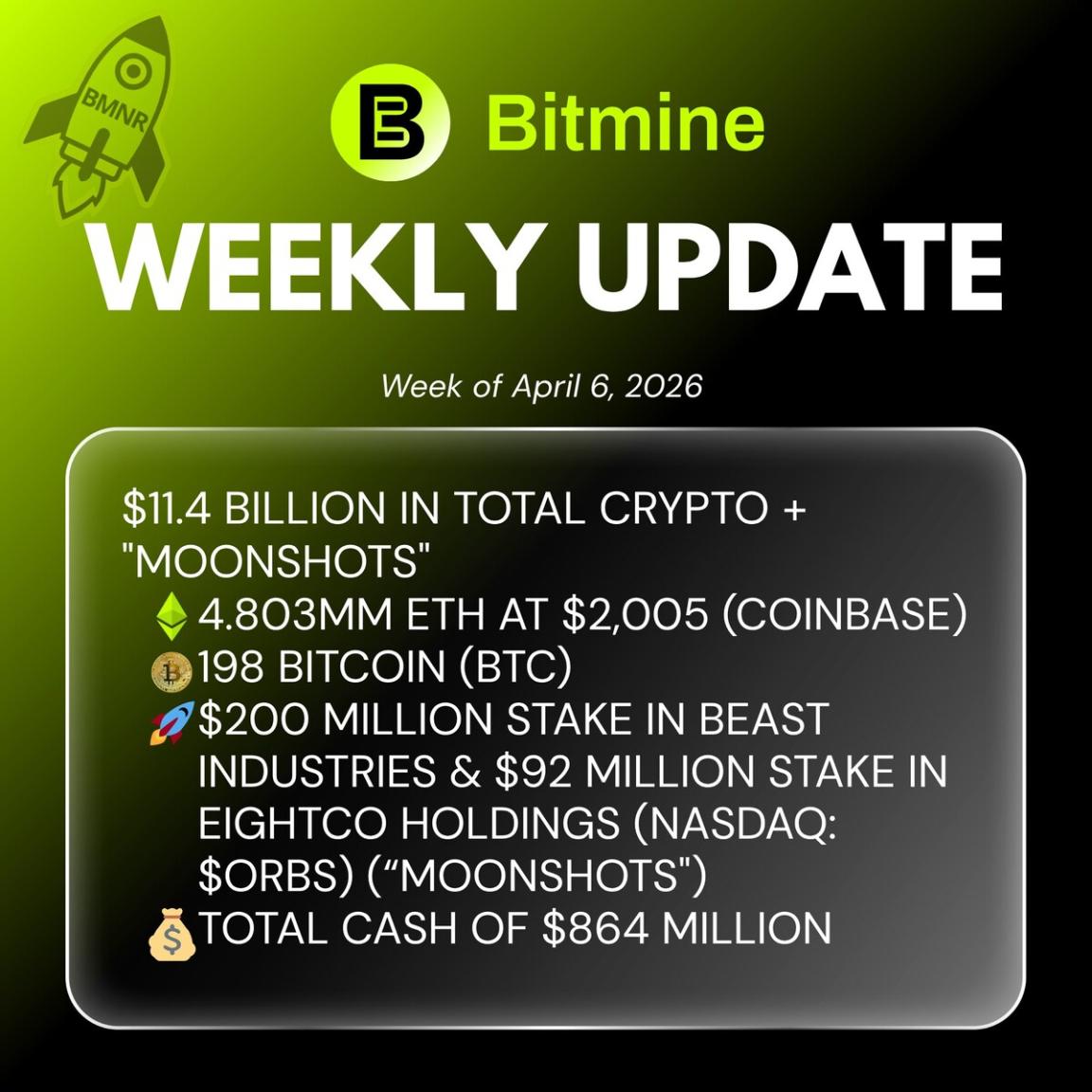
Treasury and balance-sheet stories continue to circulate even in a defensive tape. Coverage of Bitmine Immersion Technologies building a larger ETH position worth over $9 billion shows that institutional-scale crypto accumulation has not stopped, but if that narrative persists while only Bitcoin holds steady, the message is selective defense rather than broad risk appetite.
Base Case, Bull Case, and Bear Case for Next Week
Base Case
Elevated tension without a system-wide macro break is the most probable outcome. Sentiment is already washed out at Extreme Fear, yet the spot price has not confirmed panic. Under this scenario, Bitcoin holds comparatively firm, altcoins lag, and traders spend the week reacting to Hormuz headlines without repricing the entire crypto cycle. Oil volatility stays high but does not breach levels that force a coordinated central bank response.
Bull Case
The bull case requires de-escalation or at least the absence of new damage from the Hormuz confrontation. If the threats to Iranian infrastructure do not materialize into broader shipping disruption while Bitcoin stays above its current range and the Fear & Greed Index climbs off single digits, the market can interpret the last several sessions as a sentiment flush rather than the start of structural deleveraging. A quick diplomatic off-ramp would supercharge this scenario.
Bear Case
The bear case is not more bad headlines; it is confirmation that the macro transmission channel from oil to crypto liquidity has opened. If Hormuz-related conflict intensifies and Bitcoin gives up its floor even after the market has already priced Extreme Fear, that would imply spot demand is weakening, not merely that leveraged longs are being cleared. The bear case becomes stronger if oil stress broadens into a full cross-asset deleveraging event that hits crypto alongside equities and commodities.
FAQ: What Should Crypto Traders Watch First?
Is Bitcoin acting like a safe haven right now?
Not in the classic gold sense. Bitcoin is behaving more like the strongest crypto balance-sheet asset, holding firm while higher-beta tokens lose ground. That is relative resilience, not absolute insulation from oil, dollar, or yield shocks. If the Hormuz crisis deepens materially, even relative resilience will be tested.
Why does Hormuz matter to crypto if crypto is decentralized?
Because the threat to Iranian infrastructure and the downed US military aircraft raise the probability of an energy-market shock, and crypto absorbs that stress through macro liquidity and risk-appetite channels rather than through direct exposure to the conflict. If the shock does not knock Bitcoin materially lower, the market is climbing the wall of worry; if it does, the macro channel is winning.
Which assets are most exposed next week, and what invalidates the thesis?
High-beta altcoins, leverage-heavy trades, and credit-sensitive positions look most exposed because they deteriorate fastest when fear is already at Extreme Fear and liquidity tightens. The wall-of-worry thesis is invalidated if Bitcoin breaks below its current range and begins underperforming large-cap crypto peers instead of leading them defensively.
Disclaimer: This article is for informational purposes only and does not constitute financial or investment advice. Cryptocurrency and digital asset markets carry significant risk. Always do your own research before making decisions.

No tags available.


Other Posts








- Amplify 2024: Ohio’s Premier Blockchain Summit
- Polymarket Announces U.S. Beta Relaunch Amid Market Buzz
- China, US Conclude Trade Talks with Focus on Cooperation
- Crypto Weekly: NYSE Backs OKX, Kraken Gets Fed Access, BTC Sells
- CELO holds as Celo reviews Opera 160M token claim
- DeriW Launches Edge Hour Trading Competition Platform for Derivatives Traders
- Michael Saylor Denies Bitcoin Sell-Off Amid Large BTC Transfer
- Court Upholds Fed’s Rejection of Custodia Bank’s Request
- EU Opens Antitrust Probe Into Deutsche Boerse and Nasdaq Derivatives Dealings
- Kazakhstan Explores Crypto Reserves Backed by National Funds
- JPMorgan Increases Holdings in BlackRock’s Bitcoin ETF
- Nordea Bank Introduces Bitcoin ETP Trading for Nordic Customers
- XRP Spot ETF Launches on Nasdaq Amid Market Fluctuations
- JPMorgan Chase Launches 24/7 Digital Deposit Token for Clients
- Crypto Leaders Address Macro Volatility Amid Market Shifts
- Former CFO Convicted for $35M Fraudulent Crypto Investment
- Peter Schiff Challenges Michael Saylor on MSTR’s Business Model
- Thailand Orders Worldcoin to Delete 1.2 Million Biometric Records
- UK Proposes New DeFi Tax Framework to Ease User Burden
- U.S. Treasury Proposes New Tax Relief Regulations
- Amplify 2024: Ohio’s Premier Blockchain Summit
- Polymarket Announces U.S. Beta Relaunch Amid Market Buzz
- China, US Conclude Trade Talks with Focus on Cooperation
- Crypto Weekly: NYSE Backs OKX, Kraken Gets Fed Access, BTC Sells
- CELO holds as Celo reviews Opera 160M token claim
- DeriW Launches Edge Hour Trading Competition Platform for Derivatives Traders
- Michael Saylor Denies Bitcoin Sell-Off Amid Large BTC Transfer
- Court Upholds Fed’s Rejection of Custodia Bank’s Request
- EU Opens Antitrust Probe Into Deutsche Boerse and Nasdaq Derivatives Dealings
- Kazakhstan Explores Crypto Reserves Backed by National Funds
- JPMorgan Increases Holdings in BlackRock’s Bitcoin ETF
- Nordea Bank Introduces Bitcoin ETP Trading for Nordic Customers
- XRP Spot ETF Launches on Nasdaq Amid Market Fluctuations
- JPMorgan Chase Launches 24/7 Digital Deposit Token for Clients
- Crypto Leaders Address Macro Volatility Amid Market Shifts
- Former CFO Convicted for $35M Fraudulent Crypto Investment
- Peter Schiff Challenges Michael Saylor on MSTR’s Business Model
- Thailand Orders Worldcoin to Delete 1.2 Million Biometric Records
- UK Proposes New DeFi Tax Framework to Ease User Burden
- U.S. Treasury Proposes New Tax Relief Regulations
- Amplify 2024: Ohio’s Premier Blockchain Summit
- Polymarket Announces U.S. Beta Relaunch Amid Market Buzz
- China, US Conclude Trade Talks with Focus on Cooperation
- Crypto Weekly: NYSE Backs OKX, Kraken Gets Fed Access, BTC Sells
- CELO holds as Celo reviews Opera 160M token claim
- DeriW Launches Edge Hour Trading Competition Platform for Derivatives Traders
- Michael Saylor Denies Bitcoin Sell-Off Amid Large BTC Transfer
- Court Upholds Fed’s Rejection of Custodia Bank’s Request
- EU Opens Antitrust Probe Into Deutsche Boerse and Nasdaq Derivatives Dealings
- Kazakhstan Explores Crypto Reserves Backed by National Funds
- JPMorgan Increases Holdings in BlackRock’s Bitcoin ETF
- Nordea Bank Introduces Bitcoin ETP Trading for Nordic Customers
- XRP Spot ETF Launches on Nasdaq Amid Market Fluctuations
- JPMorgan Chase Launches 24/7 Digital Deposit Token for Clients
- Crypto Leaders Address Macro Volatility Amid Market Shifts
- Former CFO Convicted for $35M Fraudulent Crypto Investment
- Peter Schiff Challenges Michael Saylor on MSTR’s Business Model
- Thailand Orders Worldcoin to Delete 1.2 Million Biometric Records
- UK Proposes New DeFi Tax Framework to Ease User Burden
- U.S. Treasury Proposes New Tax Relief Regulations
Latest











Press Release
CoinRabbit Reduces Crypto Lending Rates for XRP Loans and 300+ Assets
Bitmine Immersion Technologies (BMNR) Announces ETH Holdings Reach 4.803 Million Tokens, and Total Crypto and Total Cash Holdings of $11.4 Billion