Ex-Coinbase CTO Balaji Advocates Bitcoin Over Gold Amid Fiat Crisis
- Balaji Srinivasan highlights Bitcoin’s confiscation-resistant advantage over gold.
- Bitcoin noted as superior to gold for crisis hedging.
- BTC labeled as digital gold with global reserve potential.
On January 30th, Balaji Srinivasan, former Coinbase CTO, highlighted potential crises in fiat currencies, suggesting Bitcoin’s resilience to seizure compared to physical gold.
This insight signals a shift towards Bitcoin as a hedge amid global financial volatility, impacting investment strategies concerned with traditional assets’ vulnerabilities.
Bitcoin’s Hedge Potential Amid Global Gold Accumulation
Balaji Srinivasan has indicated potential fiat currency instability, suggesting Bitcoin’s role as a hedge. Drawing from lessons of history, he compares it to the 1933 Roosevelt gold seizure. The surge in BRICS countries’ gold reserves shows an eastern pivot to physical assets, while Bitcoin has emerged as a contemporary alternative. “Bitcoin is already the global reserve asset,” noted Srinivasan.
While major figures remain silent, the crypto community is observing the shift in store of value discussions. Bitcoin advocates emphasize its technological advantages.
BingX offers exclusive rewards and top-tier security for new and high-volume crypto traders.
According to CoinMarketCap, Bitcoin’s market cap stands at $1.65 trillion with a dominance of 58.73%. Trading volume over 24 hours reached $81.65 billion, despite a 5.78% daily price drop. Trade Bitcoin futures on Phemex for market participation.
Bitcoin Versus Gold: Market Data and Historical Parallels
Did you know? Historical parallels and current data consolidate Bitcoin’s appeal as a confiscation-resistant asset.
Coincu’s research team suggests that should fiat instability materialize, Bitcoin could gain significant traction.
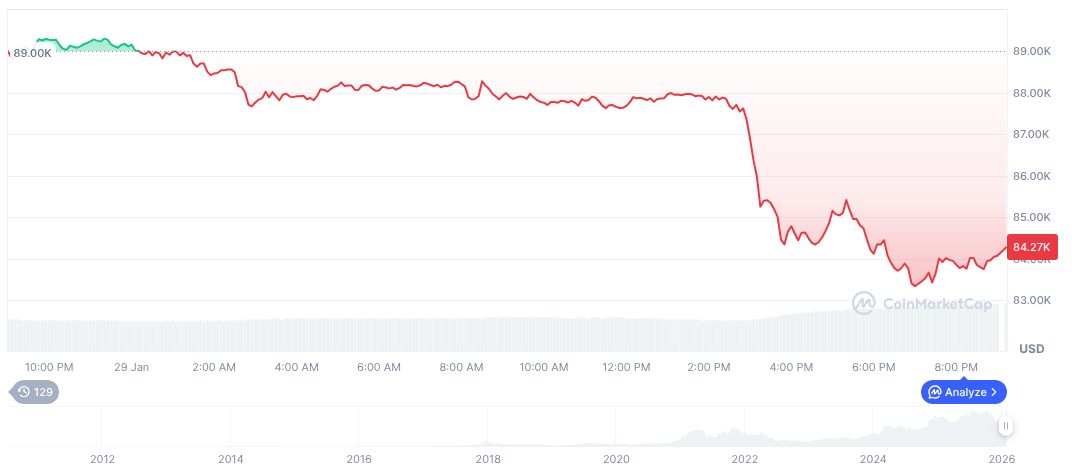
Historical parallels and current data consolidate Bitcoin’s appeal as a confiscation-resistant asset.
| DISCLAIMER: The information on this website is provided as general market commentary and does not constitute investment advice. We encourage you to do your own research before investing. |

No tags available.


Other Posts









- Amplify 2024: Ohio’s Premier Blockchain Summit
- Polymarket Announces U.S. Beta Relaunch Amid Market Buzz
- China, US Conclude Trade Talks with Focus on Cooperation
- Crypto Weekly: NYSE Backs OKX, Kraken Gets Fed Access, BTC Sells
- CELO holds as Celo reviews Opera 160M token claim
- Michael Saylor Denies Bitcoin Sell-Off Amid Large BTC Transfer
- Court Upholds Fed’s Rejection of Custodia Bank’s Request
- EU Opens Antitrust Probe Into Deutsche Boerse and Nasdaq Derivatives Dealings
- Kazakhstan Explores Crypto Reserves Backed by National Funds
- JPMorgan Increases Holdings in BlackRock’s Bitcoin ETF
- Nordea Bank Introduces Bitcoin ETP Trading for Nordic Customers
- XRP Spot ETF Launches on Nasdaq Amid Market Fluctuations
- JPMorgan Chase Launches 24/7 Digital Deposit Token for Clients
- Crypto Leaders Address Macro Volatility Amid Market Shifts
- Former CFO Convicted for $35M Fraudulent Crypto Investment
- Peter Schiff Challenges Michael Saylor on MSTR’s Business Model
- Thailand Orders Worldcoin to Delete 1.2 Million Biometric Records
- UK Proposes New DeFi Tax Framework to Ease User Burden
- U.S. Treasury Proposes New Tax Relief Regulations
- Uniswap’s UNIfication Proposal Gains Massive Preliminary Support
- Amplify 2024: Ohio’s Premier Blockchain Summit
- Polymarket Announces U.S. Beta Relaunch Amid Market Buzz
- China, US Conclude Trade Talks with Focus on Cooperation
- Crypto Weekly: NYSE Backs OKX, Kraken Gets Fed Access, BTC Sells
- CELO holds as Celo reviews Opera 160M token claim
- Michael Saylor Denies Bitcoin Sell-Off Amid Large BTC Transfer
- Court Upholds Fed’s Rejection of Custodia Bank’s Request
- EU Opens Antitrust Probe Into Deutsche Boerse and Nasdaq Derivatives Dealings
- Kazakhstan Explores Crypto Reserves Backed by National Funds
- JPMorgan Increases Holdings in BlackRock’s Bitcoin ETF
- Nordea Bank Introduces Bitcoin ETP Trading for Nordic Customers
- XRP Spot ETF Launches on Nasdaq Amid Market Fluctuations
- JPMorgan Chase Launches 24/7 Digital Deposit Token for Clients
- Crypto Leaders Address Macro Volatility Amid Market Shifts
- Former CFO Convicted for $35M Fraudulent Crypto Investment
- Peter Schiff Challenges Michael Saylor on MSTR’s Business Model
- Thailand Orders Worldcoin to Delete 1.2 Million Biometric Records
- UK Proposes New DeFi Tax Framework to Ease User Burden
- U.S. Treasury Proposes New Tax Relief Regulations
- Uniswap’s UNIfication Proposal Gains Massive Preliminary Support
- Amplify 2024: Ohio’s Premier Blockchain Summit
- Polymarket Announces U.S. Beta Relaunch Amid Market Buzz
- China, US Conclude Trade Talks with Focus on Cooperation
- Crypto Weekly: NYSE Backs OKX, Kraken Gets Fed Access, BTC Sells
- CELO holds as Celo reviews Opera 160M token claim
- Michael Saylor Denies Bitcoin Sell-Off Amid Large BTC Transfer
- Court Upholds Fed’s Rejection of Custodia Bank’s Request
- EU Opens Antitrust Probe Into Deutsche Boerse and Nasdaq Derivatives Dealings
- Kazakhstan Explores Crypto Reserves Backed by National Funds
- JPMorgan Increases Holdings in BlackRock’s Bitcoin ETF
- Nordea Bank Introduces Bitcoin ETP Trading for Nordic Customers
- XRP Spot ETF Launches on Nasdaq Amid Market Fluctuations
- JPMorgan Chase Launches 24/7 Digital Deposit Token for Clients
- Crypto Leaders Address Macro Volatility Amid Market Shifts
- Former CFO Convicted for $35M Fraudulent Crypto Investment
- Peter Schiff Challenges Michael Saylor on MSTR’s Business Model
- Thailand Orders Worldcoin to Delete 1.2 Million Biometric Records
- UK Proposes New DeFi Tax Framework to Ease User Burden
- U.S. Treasury Proposes New Tax Relief Regulations
- Uniswap’s UNIfication Proposal Gains Massive Preliminary Support
Latest

Ethereum Derivatives Buying Signal May Mark a Bottom, Analyst Says

Bitcoin Treasury Company Hyperscale Data Gets $26.6M Settlement to Improve Liquidity









Press Release

MEXC Announces USD1 Launchpool Event with 1,500,000 WLFI Prize Pool

Manhattan Private Credit Launches Network to Connect Investors With Private Credit Markets as Bank Lending Continues to Contract