








- Bitcoin hash rate drops 12% amid U.S. storm-induced mining disruptions.
- Mining revenues decline as Bitcoin price falls to $77,588.42.
- Network infrastructure challenges highlight U.S. bandwidth centralization risks.
Bitcoin’s network hashrate experienced a significant 12% decrease since November 11, 2023, due to severe US winter storms impacting mining operations, notably affecting Foundry USA pool.
This has caused Bitcoin price slides and reduced mining revenue, highlighting US mining centralization risks, while ushering potential resilience and market adaptations.
U.S. Storms Cause 12% Bitcoin Hashrate Decline
Bitcoin’s mining infrastructure faces challenges following severe U.S. winter storms that have forced miners offline. Foundry USA, one of the largest mining pools, experienced a dramatic 40% hash rate dip during these storms. This event highlights a critical need for infrastructure resilience.
Consequently, the Bitcoin network temporarily slows, with block times extending to 12-14 minutes. The implications on Bitcoin mining revenues are significant, with daily incomes dropping from $45 million to $28 million. Operators face increased operational challenges as a result.
BingX offers exclusive rewards and top-tier security for new and high-volume crypto traders.
It seems that there are no direct quotes from key figures or organizations related to the recent drop in Bitcoin’s network hashrate based on the information provided.
However, based on the topics mentioned, key figures continue to monitor developments without public commentary.
Historical Parallels and Regulatory Concerns Emerge
Did you know? The current hashrate decline mimics the largest drops seen since the 2021 China mining ban, demonstrating the ongoing impacts of geographical dependencies in cryptocurrency mining operations.
Bitcoin (BTC) shows a price of $77,588.42 with a market cap of $1.55 trillion. Trading volumes reached $67.92 billion, down 3.12% over 24 hours. Over the last 90 days, BTC prices declined by 27.36%, as reported by CoinMarketCap.
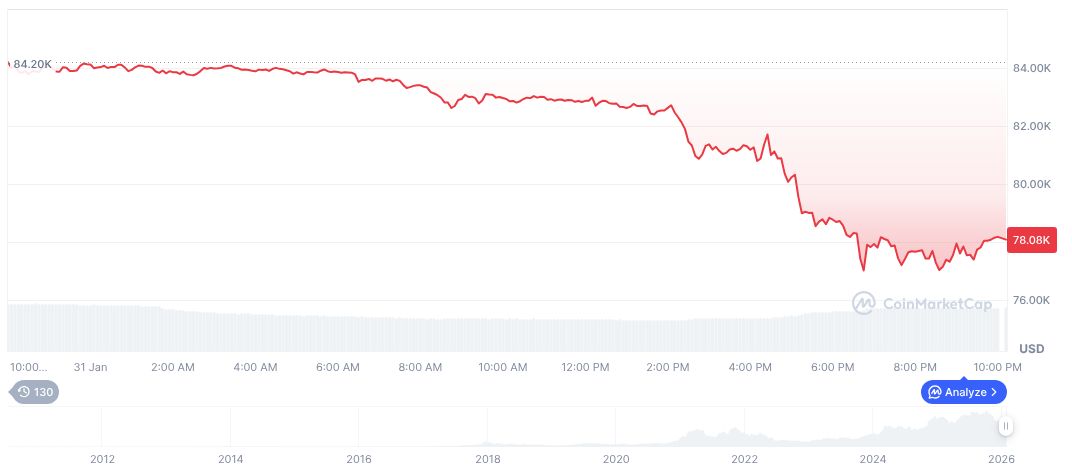
Coincu researchers note potential regulatory and financial repercussions, especially regarding network centralization in storm-vulnerable regions. Furthermore, these events may prompt regulatory scrutiny, demanding enhanced resilience and diversification of global mining locations.
| DISCLAIMER: The information on this website is provided as general market commentary and does not constitute investment advice. We encourage you to do your own research before investing. |

No tags available.


Other Posts









- Amplify 2024: Ohio’s Premier Blockchain Summit
- Polymarket Announces U.S. Beta Relaunch Amid Market Buzz
- China, US Conclude Trade Talks with Focus on Cooperation
- Crypto Weekly: NYSE Backs OKX, Kraken Gets Fed Access, BTC Sells
- CELO holds as Celo reviews Opera 160M token claim
- DeriW Launches Edge Hour Trading Competition Platform for Derivatives Traders
- Michael Saylor Denies Bitcoin Sell-Off Amid Large BTC Transfer
- Court Upholds Fed’s Rejection of Custodia Bank’s Request
- EU Opens Antitrust Probe Into Deutsche Boerse and Nasdaq Derivatives Dealings
- Kazakhstan Explores Crypto Reserves Backed by National Funds
- JPMorgan Increases Holdings in BlackRock’s Bitcoin ETF
- Nordea Bank Introduces Bitcoin ETP Trading for Nordic Customers
- XRP Spot ETF Launches on Nasdaq Amid Market Fluctuations
- JPMorgan Chase Launches 24/7 Digital Deposit Token for Clients
- Crypto Leaders Address Macro Volatility Amid Market Shifts
- Former CFO Convicted for $35M Fraudulent Crypto Investment
- Peter Schiff Challenges Michael Saylor on MSTR’s Business Model
- Thailand Orders Worldcoin to Delete 1.2 Million Biometric Records
- UK Proposes New DeFi Tax Framework to Ease User Burden
- U.S. Treasury Proposes New Tax Relief Regulations
- Amplify 2024: Ohio’s Premier Blockchain Summit
- Polymarket Announces U.S. Beta Relaunch Amid Market Buzz
- China, US Conclude Trade Talks with Focus on Cooperation
- Crypto Weekly: NYSE Backs OKX, Kraken Gets Fed Access, BTC Sells
- CELO holds as Celo reviews Opera 160M token claim
- DeriW Launches Edge Hour Trading Competition Platform for Derivatives Traders
- Michael Saylor Denies Bitcoin Sell-Off Amid Large BTC Transfer
- Court Upholds Fed’s Rejection of Custodia Bank’s Request
- EU Opens Antitrust Probe Into Deutsche Boerse and Nasdaq Derivatives Dealings
- Kazakhstan Explores Crypto Reserves Backed by National Funds
- JPMorgan Increases Holdings in BlackRock’s Bitcoin ETF
- Nordea Bank Introduces Bitcoin ETP Trading for Nordic Customers
- XRP Spot ETF Launches on Nasdaq Amid Market Fluctuations
- JPMorgan Chase Launches 24/7 Digital Deposit Token for Clients
- Crypto Leaders Address Macro Volatility Amid Market Shifts
- Former CFO Convicted for $35M Fraudulent Crypto Investment
- Peter Schiff Challenges Michael Saylor on MSTR’s Business Model
- Thailand Orders Worldcoin to Delete 1.2 Million Biometric Records
- UK Proposes New DeFi Tax Framework to Ease User Burden
- U.S. Treasury Proposes New Tax Relief Regulations
- Amplify 2024: Ohio’s Premier Blockchain Summit
- Polymarket Announces U.S. Beta Relaunch Amid Market Buzz
- China, US Conclude Trade Talks with Focus on Cooperation
- Crypto Weekly: NYSE Backs OKX, Kraken Gets Fed Access, BTC Sells
- CELO holds as Celo reviews Opera 160M token claim
- DeriW Launches Edge Hour Trading Competition Platform for Derivatives Traders
- Michael Saylor Denies Bitcoin Sell-Off Amid Large BTC Transfer
- Court Upholds Fed’s Rejection of Custodia Bank’s Request
- EU Opens Antitrust Probe Into Deutsche Boerse and Nasdaq Derivatives Dealings
- Kazakhstan Explores Crypto Reserves Backed by National Funds
- JPMorgan Increases Holdings in BlackRock’s Bitcoin ETF
- Nordea Bank Introduces Bitcoin ETP Trading for Nordic Customers
- XRP Spot ETF Launches on Nasdaq Amid Market Fluctuations
- JPMorgan Chase Launches 24/7 Digital Deposit Token for Clients
- Crypto Leaders Address Macro Volatility Amid Market Shifts
- Former CFO Convicted for $35M Fraudulent Crypto Investment
- Peter Schiff Challenges Michael Saylor on MSTR’s Business Model
- Thailand Orders Worldcoin to Delete 1.2 Million Biometric Records
- UK Proposes New DeFi Tax Framework to Ease User Burden
- U.S. Treasury Proposes New Tax Relief Regulations
Latest

ETH Contract Positions Jump 10.3% in 24 Hours: What the Data Signals

BTC Below $67,901 Could Trigger $2.148B CEX Long Liquidations: Data

Nasdaq Seeks Extension for BlackRock IBIT and ETHA ETF Transition
Press Release

Wirex and Utorg Bring Seamless Crypto-to-Card Spending to 2M+ Users Worldwide

BC.GAME Launches BC Engine: Instant $BC, Auto-Staked and Paid Hourly in BCD
