China Uses Blockchain to Expose Corruption via Ethereum Bribes
- Yao Qian’s corruption exposed; Yao received 2000 ETH in 2018.
- Blockchain traced ETH flows, highlighting anti-corruption measures.
- China emphasizes technology in combating hidden corruption.
Today, a documentary aired revealing Yao Qian’s corruption, involving 2000 ETH in 2018, using blockchain technology to trace funds in China.
The use of blockchain illustrates its crucial role in exposing corruption, highlighting cryptocurrency’s potential for transparency in financial transactions.
Blockchain Tracing Exposes Yao Qian’s 2,000 ETH Bribe
A documentary highlighted Yao Qian’s corruption, focusing on the receipt of 2,000 ETH from businessman Zhang in 2018. Zhang had utilized blockchain mechanisms to transfer the cryptocurrency. The task force used innovative blockchain tools to trace these transactions to Qian’s Ethereum wallet.
By 2021, Qian transferred 370 ETH, worth approximately RMB 10 million, creating a comprehensive record of illegal transfers. This showcases blockchain’s potential in fighting secretive corruption attempts and illicit fund concealment, providing an innovative anti-corruption weapon.
Cai Kunting, anti-corruption official, stressed the importance of recovering hardware wallets and mnemonic words during investigations. “During a search, two items are crucial to seize. The first is whether there is a hardware wallet; the second is whether there are some pieces of paper with irregular mnemonic words written on them, which are vital during the search.”
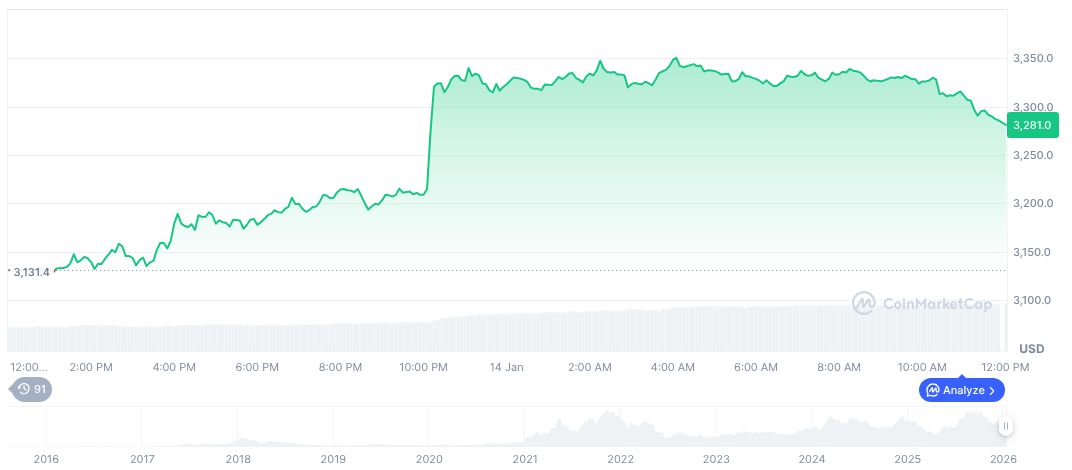
Ethereum Price Soars Amidst Growing Anti-Corruption Use Cases
Did you know? Tracing cryptocurrency transfers today leverages blockchain technology for transparency. The Yao Qian case demonstrates its effectiveness in providing comprehensive transaction records, acting as a powerful tool in contemporary anti-corruption efforts.
According to CoinMarketCap, Ethereum’s recent price was $3,362.14, with a market cap of $405.79 billion. ETH has seen a 4.80% increase in the last 24 hours and a 14.13% jump over the past 30 days. The 24-hour trading volume hit $39.96 billion.
Coincu research team analysts suggest blockchain’s growing role in regulatory frameworks to counteract corruption. Leveraging big data and innovative blockchain solutions may lead to increased scrutiny on virtual asset transfers, ensuring financial transparency and compliance across sectors. Utilizing these technologies can further enhance global anti-corruption efforts.
| DISCLAIMER: The information on this website is provided as general market commentary and does not constitute investment advice. We encourage you to do your own research before investing. |

No tags available.


Other Posts









- Amplify 2024: Ohio’s Premier Blockchain Summit
- Polymarket Announces U.S. Beta Relaunch Amid Market Buzz
- China, US Conclude Trade Talks with Focus on Cooperation
- Crypto Weekly: NYSE Backs OKX, Kraken Gets Fed Access, BTC Sells
- CELO holds as Celo reviews Opera 160M token claim
- DeriW Launches Edge Hour Trading Competition Platform for Derivatives Traders
- Michael Saylor Denies Bitcoin Sell-Off Amid Large BTC Transfer
- Court Upholds Fed’s Rejection of Custodia Bank’s Request
- EU Opens Antitrust Probe Into Deutsche Boerse and Nasdaq Derivatives Dealings
- Kazakhstan Explores Crypto Reserves Backed by National Funds
- JPMorgan Increases Holdings in BlackRock’s Bitcoin ETF
- Nordea Bank Introduces Bitcoin ETP Trading for Nordic Customers
- XRP Spot ETF Launches on Nasdaq Amid Market Fluctuations
- JPMorgan Chase Launches 24/7 Digital Deposit Token for Clients
- Crypto Leaders Address Macro Volatility Amid Market Shifts
- Former CFO Convicted for $35M Fraudulent Crypto Investment
- Peter Schiff Challenges Michael Saylor on MSTR’s Business Model
- Thailand Orders Worldcoin to Delete 1.2 Million Biometric Records
- UK Proposes New DeFi Tax Framework to Ease User Burden
- U.S. Treasury Proposes New Tax Relief Regulations
- Amplify 2024: Ohio’s Premier Blockchain Summit
- Polymarket Announces U.S. Beta Relaunch Amid Market Buzz
- China, US Conclude Trade Talks with Focus on Cooperation
- Crypto Weekly: NYSE Backs OKX, Kraken Gets Fed Access, BTC Sells
- CELO holds as Celo reviews Opera 160M token claim
- DeriW Launches Edge Hour Trading Competition Platform for Derivatives Traders
- Michael Saylor Denies Bitcoin Sell-Off Amid Large BTC Transfer
- Court Upholds Fed’s Rejection of Custodia Bank’s Request
- EU Opens Antitrust Probe Into Deutsche Boerse and Nasdaq Derivatives Dealings
- Kazakhstan Explores Crypto Reserves Backed by National Funds
- JPMorgan Increases Holdings in BlackRock’s Bitcoin ETF
- Nordea Bank Introduces Bitcoin ETP Trading for Nordic Customers
- XRP Spot ETF Launches on Nasdaq Amid Market Fluctuations
- JPMorgan Chase Launches 24/7 Digital Deposit Token for Clients
- Crypto Leaders Address Macro Volatility Amid Market Shifts
- Former CFO Convicted for $35M Fraudulent Crypto Investment
- Peter Schiff Challenges Michael Saylor on MSTR’s Business Model
- Thailand Orders Worldcoin to Delete 1.2 Million Biometric Records
- UK Proposes New DeFi Tax Framework to Ease User Burden
- U.S. Treasury Proposes New Tax Relief Regulations
- Amplify 2024: Ohio’s Premier Blockchain Summit
- Polymarket Announces U.S. Beta Relaunch Amid Market Buzz
- China, US Conclude Trade Talks with Focus on Cooperation
- Crypto Weekly: NYSE Backs OKX, Kraken Gets Fed Access, BTC Sells
- CELO holds as Celo reviews Opera 160M token claim
- DeriW Launches Edge Hour Trading Competition Platform for Derivatives Traders
- Michael Saylor Denies Bitcoin Sell-Off Amid Large BTC Transfer
- Court Upholds Fed’s Rejection of Custodia Bank’s Request
- EU Opens Antitrust Probe Into Deutsche Boerse and Nasdaq Derivatives Dealings
- Kazakhstan Explores Crypto Reserves Backed by National Funds
- JPMorgan Increases Holdings in BlackRock’s Bitcoin ETF
- Nordea Bank Introduces Bitcoin ETP Trading for Nordic Customers
- XRP Spot ETF Launches on Nasdaq Amid Market Fluctuations
- JPMorgan Chase Launches 24/7 Digital Deposit Token for Clients
- Crypto Leaders Address Macro Volatility Amid Market Shifts
- Former CFO Convicted for $35M Fraudulent Crypto Investment
- Peter Schiff Challenges Michael Saylor on MSTR’s Business Model
- Thailand Orders Worldcoin to Delete 1.2 Million Biometric Records
- UK Proposes New DeFi Tax Framework to Ease User Burden
- U.S. Treasury Proposes New Tax Relief Regulations
Latest



Press Release

Polkadot’s $145M Legacy vs. DOGEBALL’s Future: These are the Best Cryptos to Buy Now

Enhanced Secures $1M in Strategic Pre-Seed Funding to Bring Structured Yield to More Assets Onchain