Ethereum’s Fusaka Upgrade Raises Blob Fees, Impacts Network Economics
- Ethereum’s Fusaka raises blob fees, boosting ETH burn rate.
- Alters L2 transaction costs and network efficiency.
- Yi Lihua highlights market realignments in post-upgrade analysis.
Yi Lihua of Liquid Capital revealed on X that Ethereum’s Fusaka upgrade sharply increased blob base fees by 15 million-fold due to the EIP-7918 mechanism change.
This adjustment prevents rollup misuse, realigns network costs, and significantly boosts ETH burning, potentially up to 50% by 2026, affecting Ethereum’s market dynamics.
Fusaka Upgrade Sparks Changes in Ethereum’s Fee Structure
The recent Fusaka upgrade, implemented on December 5, marked a significant shift in how Ethereum handles blob fees. Initiated through EIP-7918, this upgrade established a higher base fee floor for blob transactions, aligning them with Layer 1 gas costs. The adjustment aims to prevent excessive use of network resources without adequate compensation. Ethereum’s primary objective is to reflect actual resource usage, ensuring rollups do not use data “for free”. This correction, advocated by Ethereum researchers, aligns with their vision of a rollup-centric scaling approach.
Blob fees have been revised to meet a minimum threshold, linked to L1 execution costs. The expectation is to stimulate an increase in ETH burning, potentially doubling current rates over time. The introduction of PeerDAS technology further enhances storage capacity, effectively managing network congestion. This decisive cost-based regulation is expected to affect L2 transaction volumes, realigning usage and economic sustainability on the Ethereum network.
Yi Lihua of Liquid Capital suggests this initiative corrects prior undervaluation of blob space, potentially boosting network efficiency. “The Fusaka upgrade’s new mechanism corrects earlier underpricing of blob space,” says Yi Lihua. Industry reactions highlight possible bearish impacts on L2 entities that rely heavily on low-cost data options. However, there is a broad consensus on its bullish potential for ETH due to increased burn rates and enhanced network economics. Discussions continue across developer channels, focusing on parameter tuning and long-term integration effects.
Ethereum’s Economic Potential as Burn Rates Forecast to Rise
Did you know?
The Fusaka upgrade is poised to increase burned ETH by up to 50% by 2026, due to higher blob fee floors, potentially accelerating Ethereum’s evolution as a major settlement layer.
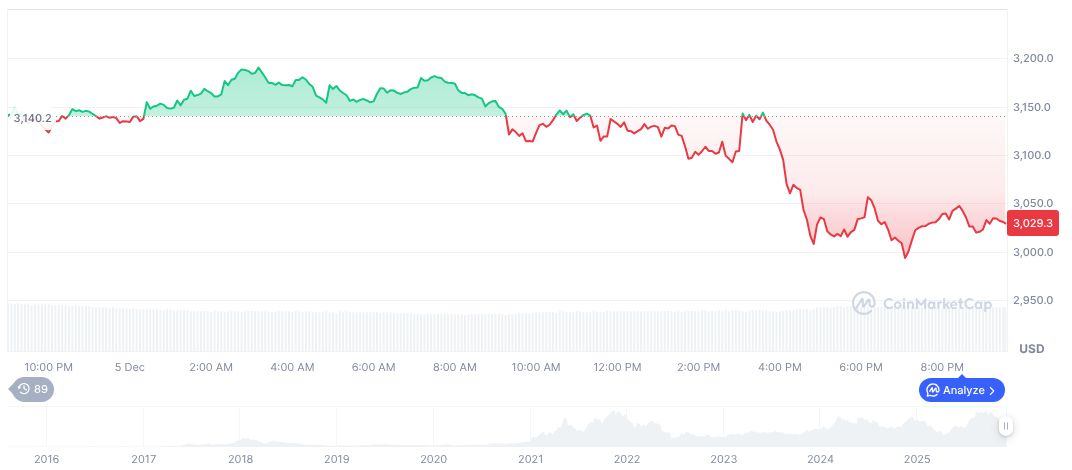
Ethereum (ETH) currently trades at $3,030.68, with a market cap of approximately 365.79 billion USD, capturing 12.02% of the crypto market share. Though its trading volume hit 28.20 billion USD today, a decline of 5.55% was noted, signaling a volatile environment. Over the last quarter, the value of ETH has decreased by 35.36%, as reported by CoinMarketCap.
Coincu’s research team observes an upward trajectory in ETH burn potential, which could reinforce Ethereum’s position as a preeminent settlement layer. Increasing blob fees pave the way for sustainable scalability, furthering technical independence and robust network growth over time. The ongoing improvements suggest promising long-term economic implications, with technological enhancements empowering resource management.
| DISCLAIMER: The information on this website is provided as general market commentary and does not constitute investment advice. We encourage you to do your own research before investing. |

No tags available.


Other Posts








- Amplify 2024: Ohio’s Premier Blockchain Summit
- Polymarket Announces U.S. Beta Relaunch Amid Market Buzz
- China, US Conclude Trade Talks with Focus on Cooperation
- Crypto Weekly: NYSE Backs OKX, Kraken Gets Fed Access, BTC Sells
- CELO holds as Celo reviews Opera 160M token claim
- DeriW Launches Edge Hour Trading Competition Platform for Derivatives Traders
- Michael Saylor Denies Bitcoin Sell-Off Amid Large BTC Transfer
- Court Upholds Fed’s Rejection of Custodia Bank’s Request
- EU Opens Antitrust Probe Into Deutsche Boerse and Nasdaq Derivatives Dealings
- Kazakhstan Explores Crypto Reserves Backed by National Funds
- JPMorgan Increases Holdings in BlackRock’s Bitcoin ETF
- Nordea Bank Introduces Bitcoin ETP Trading for Nordic Customers
- XRP Spot ETF Launches on Nasdaq Amid Market Fluctuations
- JPMorgan Chase Launches 24/7 Digital Deposit Token for Clients
- Crypto Leaders Address Macro Volatility Amid Market Shifts
- Former CFO Convicted for $35M Fraudulent Crypto Investment
- Peter Schiff Challenges Michael Saylor on MSTR’s Business Model
- Thailand Orders Worldcoin to Delete 1.2 Million Biometric Records
- UK Proposes New DeFi Tax Framework to Ease User Burden
- U.S. Treasury Proposes New Tax Relief Regulations
- Amplify 2024: Ohio’s Premier Blockchain Summit
- Polymarket Announces U.S. Beta Relaunch Amid Market Buzz
- China, US Conclude Trade Talks with Focus on Cooperation
- Crypto Weekly: NYSE Backs OKX, Kraken Gets Fed Access, BTC Sells
- CELO holds as Celo reviews Opera 160M token claim
- DeriW Launches Edge Hour Trading Competition Platform for Derivatives Traders
- Michael Saylor Denies Bitcoin Sell-Off Amid Large BTC Transfer
- Court Upholds Fed’s Rejection of Custodia Bank’s Request
- EU Opens Antitrust Probe Into Deutsche Boerse and Nasdaq Derivatives Dealings
- Kazakhstan Explores Crypto Reserves Backed by National Funds
- JPMorgan Increases Holdings in BlackRock’s Bitcoin ETF
- Nordea Bank Introduces Bitcoin ETP Trading for Nordic Customers
- XRP Spot ETF Launches on Nasdaq Amid Market Fluctuations
- JPMorgan Chase Launches 24/7 Digital Deposit Token for Clients
- Crypto Leaders Address Macro Volatility Amid Market Shifts
- Former CFO Convicted for $35M Fraudulent Crypto Investment
- Peter Schiff Challenges Michael Saylor on MSTR’s Business Model
- Thailand Orders Worldcoin to Delete 1.2 Million Biometric Records
- UK Proposes New DeFi Tax Framework to Ease User Burden
- U.S. Treasury Proposes New Tax Relief Regulations
- Amplify 2024: Ohio’s Premier Blockchain Summit
- Polymarket Announces U.S. Beta Relaunch Amid Market Buzz
- China, US Conclude Trade Talks with Focus on Cooperation
- Crypto Weekly: NYSE Backs OKX, Kraken Gets Fed Access, BTC Sells
- CELO holds as Celo reviews Opera 160M token claim
- DeriW Launches Edge Hour Trading Competition Platform for Derivatives Traders
- Michael Saylor Denies Bitcoin Sell-Off Amid Large BTC Transfer
- Court Upholds Fed’s Rejection of Custodia Bank’s Request
- EU Opens Antitrust Probe Into Deutsche Boerse and Nasdaq Derivatives Dealings
- Kazakhstan Explores Crypto Reserves Backed by National Funds
- JPMorgan Increases Holdings in BlackRock’s Bitcoin ETF
- Nordea Bank Introduces Bitcoin ETP Trading for Nordic Customers
- XRP Spot ETF Launches on Nasdaq Amid Market Fluctuations
- JPMorgan Chase Launches 24/7 Digital Deposit Token for Clients
- Crypto Leaders Address Macro Volatility Amid Market Shifts
- Former CFO Convicted for $35M Fraudulent Crypto Investment
- Peter Schiff Challenges Michael Saylor on MSTR’s Business Model
- Thailand Orders Worldcoin to Delete 1.2 Million Biometric Records
- UK Proposes New DeFi Tax Framework to Ease User Burden
- U.S. Treasury Proposes New Tax Relief Regulations
Latest
Michael Saylor: Strategy’s 2.05% Bitcoin Return Can Create ‘Infinite Cycle’


Press Release

Polkadot’s $145M Legacy vs. DOGEBALL’s Future: These are the Best Cryptos to Buy Now
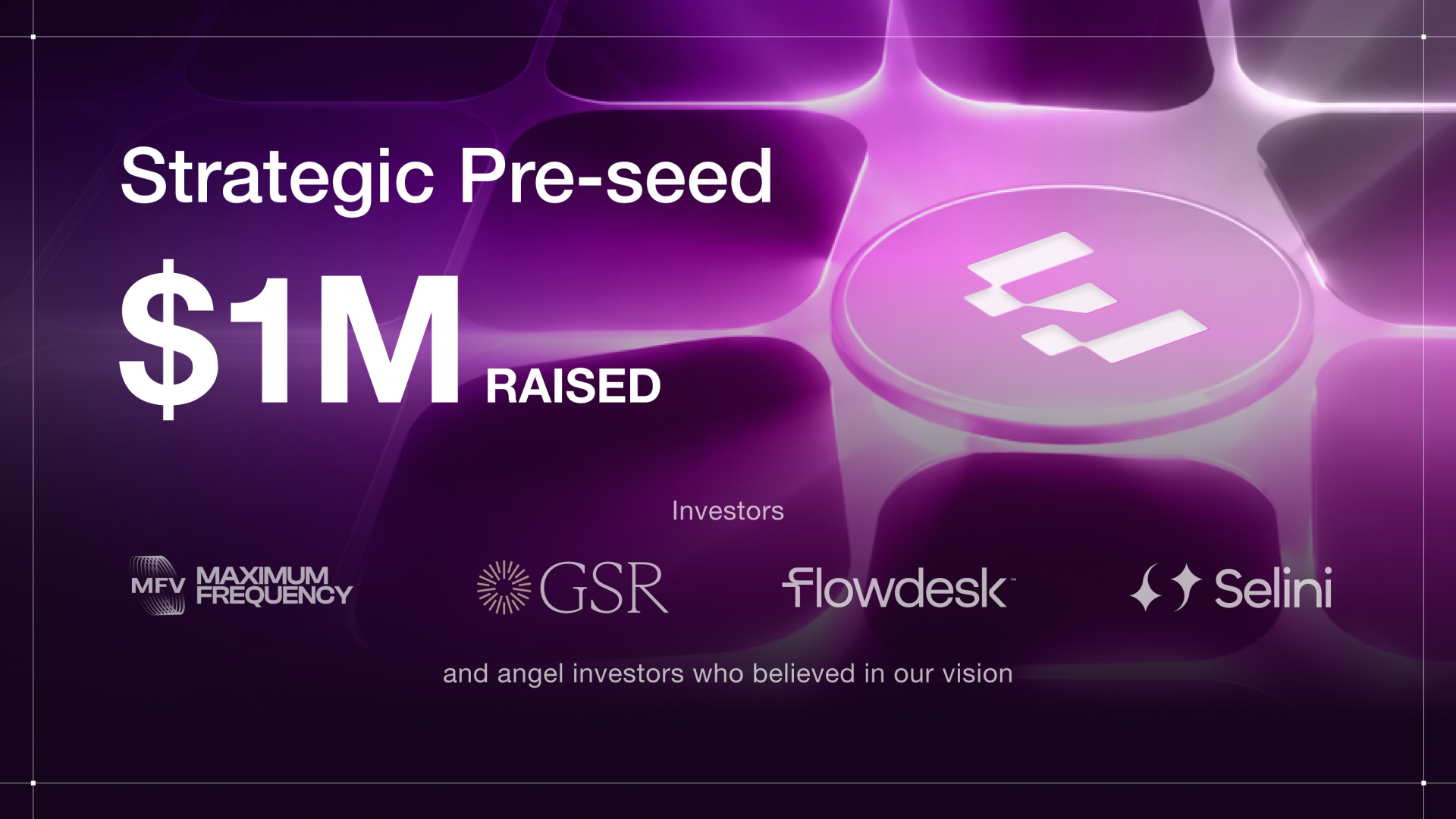
Enhanced Secures $1M in Strategic Pre-Seed Funding to Bring Structured Yield to More Assets Onchain