- Bank of Japan raises interest rates by 25 basis points to 0.75%.
- Yen carry trades may impact global liquidity adversely.
- Fiscal decisions could affect Japanese bond yields significantly.
On December 19, 2025, the Bank of Japan, led by Governor Kazuo Ueda, increased interest rates by 25 basis points to 0.75%, affecting global financial conditions.
Yen liquidity reversal could decrease global asset liquidity, impacting financial stability. Japanese fiscal expansion raises bond risk concerns, potentially altering market dynamics with steepening yield curves.
BoJ’s Interest Rate Hike and Its Market Influence
BoJ Governor Kazuo Ueda directed the policy shift, maintaining the central bank’s gradual stance on interest rate increases. Ueda has focused on inflation dynamics and financial stability as key objectives during his tenure.
Yen carry trades may see a reversal due to the narrowing interest rate differential between the US and Japan. This change could lead to reduced global liquidity sourced from low-interest yen, influencing investment trends across various sectors.
Historical Lessons and Current Crypto Market Data
Did you know? The Bank of Japan’s previous attempt to increase rates to 0.75% in 1995 was interrupted by economic challenges, illustrating the persistence required in steering monetary policy upwards in Japan.
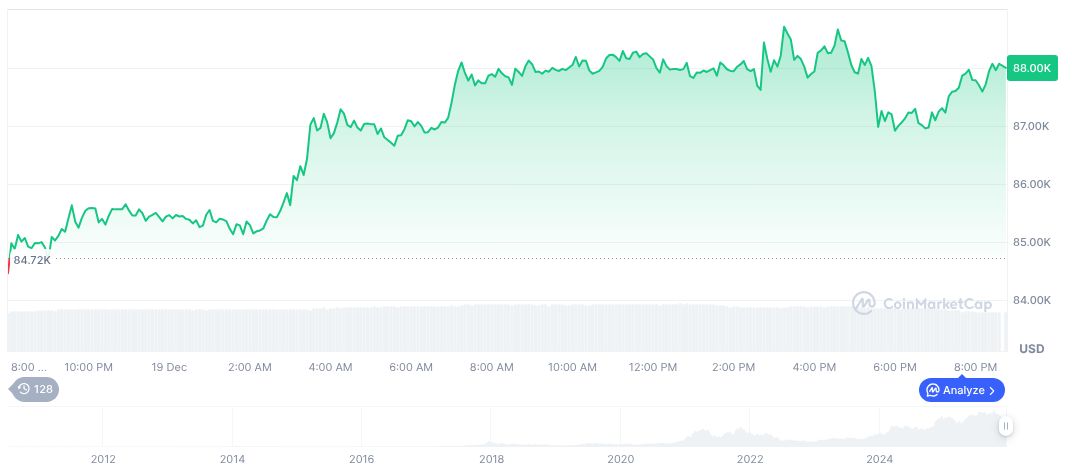
As of December 20, 2025, Bitcoin (BTC) trades at $88241.10, reflecting a 1.35% increase over 24 hours, albeit with a broader decline of 23.79% over 90 days. Its market cap is $1761703761890 with a trading volume of $34155565161, according to CoinMarketCap.
The Coincu research team highlights the potential impact on emerging markets as yen liquidity shrinks. Technologically, these changes may influence blockchain financing strategies. Regulatory adjustments might emerge if volatility from financial shifts persists in affecting currency exchange rates.
| DISCLAIMER: The information on this website is provided as general market commentary and does not constitute investment advice. We encourage you to do your own research before investing. |

No tags available.


Other Posts









- Amplify 2024: Ohio’s Premier Blockchain Summit
- Polymarket Announces U.S. Beta Relaunch Amid Market Buzz
- China, US Conclude Trade Talks with Focus on Cooperation
- Crypto Weekly: NYSE Backs OKX, Kraken Gets Fed Access, BTC Sells
- Michael Saylor Denies Bitcoin Sell-Off Amid Large BTC Transfer
- Court Upholds Fed’s Rejection of Custodia Bank’s Request
- EU Opens Antitrust Probe Into Deutsche Boerse and Nasdaq Derivatives Dealings
- Kazakhstan Explores Crypto Reserves Backed by National Funds
- Nordea Bank Introduces Bitcoin ETP Trading for Nordic Customers
- JPMorgan Increases Holdings in BlackRock’s Bitcoin ETF
- XRP Spot ETF Launches on Nasdaq Amid Market Fluctuations
- JPMorgan Chase Launches 24/7 Digital Deposit Token for Clients
- Crypto Leaders Address Macro Volatility Amid Market Shifts
- Former CFO Convicted for $35M Fraudulent Crypto Investment
- Peter Schiff Challenges Michael Saylor on MSTR’s Business Model
- Thailand Orders Worldcoin to Delete 1.2 Million Biometric Records
- U.S. Treasury Proposes New Tax Relief Regulations
- Uniswap’s UNIfication Proposal Gains Massive Preliminary Support
- WLFI Under Fire: Analyst Warns Hyperliquid Could Be Next
- SEC Scrutiny on ALT5 Sigma’s Leadership Disclosure Timing
- Amplify 2024: Ohio’s Premier Blockchain Summit
- Polymarket Announces U.S. Beta Relaunch Amid Market Buzz
- China, US Conclude Trade Talks with Focus on Cooperation
- Crypto Weekly: NYSE Backs OKX, Kraken Gets Fed Access, BTC Sells
- Michael Saylor Denies Bitcoin Sell-Off Amid Large BTC Transfer
- Court Upholds Fed’s Rejection of Custodia Bank’s Request
- EU Opens Antitrust Probe Into Deutsche Boerse and Nasdaq Derivatives Dealings
- Kazakhstan Explores Crypto Reserves Backed by National Funds
- Nordea Bank Introduces Bitcoin ETP Trading for Nordic Customers
- JPMorgan Increases Holdings in BlackRock’s Bitcoin ETF
- XRP Spot ETF Launches on Nasdaq Amid Market Fluctuations
- JPMorgan Chase Launches 24/7 Digital Deposit Token for Clients
- Crypto Leaders Address Macro Volatility Amid Market Shifts
- Former CFO Convicted for $35M Fraudulent Crypto Investment
- Peter Schiff Challenges Michael Saylor on MSTR’s Business Model
- Thailand Orders Worldcoin to Delete 1.2 Million Biometric Records
- U.S. Treasury Proposes New Tax Relief Regulations
- Uniswap’s UNIfication Proposal Gains Massive Preliminary Support
- WLFI Under Fire: Analyst Warns Hyperliquid Could Be Next
- SEC Scrutiny on ALT5 Sigma’s Leadership Disclosure Timing
- Amplify 2024: Ohio’s Premier Blockchain Summit
- Polymarket Announces U.S. Beta Relaunch Amid Market Buzz
- China, US Conclude Trade Talks with Focus on Cooperation
- Crypto Weekly: NYSE Backs OKX, Kraken Gets Fed Access, BTC Sells
- Michael Saylor Denies Bitcoin Sell-Off Amid Large BTC Transfer
- Court Upholds Fed’s Rejection of Custodia Bank’s Request
- EU Opens Antitrust Probe Into Deutsche Boerse and Nasdaq Derivatives Dealings
- Kazakhstan Explores Crypto Reserves Backed by National Funds
- Nordea Bank Introduces Bitcoin ETP Trading for Nordic Customers
- JPMorgan Increases Holdings in BlackRock’s Bitcoin ETF
- XRP Spot ETF Launches on Nasdaq Amid Market Fluctuations
- JPMorgan Chase Launches 24/7 Digital Deposit Token for Clients
- Crypto Leaders Address Macro Volatility Amid Market Shifts
- Former CFO Convicted for $35M Fraudulent Crypto Investment
- Peter Schiff Challenges Michael Saylor on MSTR’s Business Model
- Thailand Orders Worldcoin to Delete 1.2 Million Biometric Records
- U.S. Treasury Proposes New Tax Relief Regulations
- Uniswap’s UNIfication Proposal Gains Massive Preliminary Support
- WLFI Under Fire: Analyst Warns Hyperliquid Could Be Next
- SEC Scrutiny on ALT5 Sigma’s Leadership Disclosure Timing
Latest

CoinShares: Digital Asset Investment Products See $230M Weekly Inflows as Fed Hawkish Hold Dampens Momentum










Press Release

Bitmine Immersion Technologies (BMNR) Announces ETH Holdings Reach 4.661 Million Tokens, and Total Crypto and Total Cash Holdings of $11.0 Billion

Zoomex Outlines AI-Ready Liquidity and Execution Framework as Automated Trading Expands