- Market expects Fed rate easing by 3 basis points by 2026.
- Potential impacts on BTC and ETH within crypto market.
- Rate levels 50-100 basis points above neutral suggests cuts.
The market anticipates a 3 basis point reduction in Federal Reserve policy by 2026 end, according to BlockBeats News on December 18.
Potential interest rate cuts by the Federal Reserve could influence Bitcoin and Ethereum prices, with slight market optimism seen among traders despite no official confirmation from key financial leaders.
Cryptocurrency Market Eyes Fed’s 3 Basis Point Rate Easing
The current market sentiment anticipates a moderate easing of the Federal Reserve rates, expected by the end of 2026. This development reflects broader expectations among financial analysts, influencing subsequent economic forecasts.
Such prospective easing of rates is likely to affect markets, especially cryptocurrency sectors. The interest rate currently standing above neutral suggests there could be adjustments, potentially setting new trends across financial landscapes.
Federal Reserve Governor Christopher Waller mentioned possibilities for rate cuts, reinforcing market perceptions. Cryptocurrency exchanges align with these sentiments, acknowledging potential impacts on bitcoin and ethereum prices. As Waller stated, “the Fed’s interest rate level is 50 to 100 basis points above the neutral rate,” which implies room for easing without confirming a 3 basis point cut by 2026.
Historical Changes and Their Impact on Cryptocurrency Values
Did you know? Market speculations on interest rate changes have historically led to significant shifts in cryptocurrency values, notably during pre-pandemic times when similar expectations shaped bitcoin’s momentum.
Bitcoin, trading at $86,493.27, exhibits a market cap of $1.73 trillion and circulates 19,963,843 coins as of December 18, 2025. Observed price changes show a 25.25% decline over 90 days. Data from CoinMarketCap highlights continued interest despite the downturns.
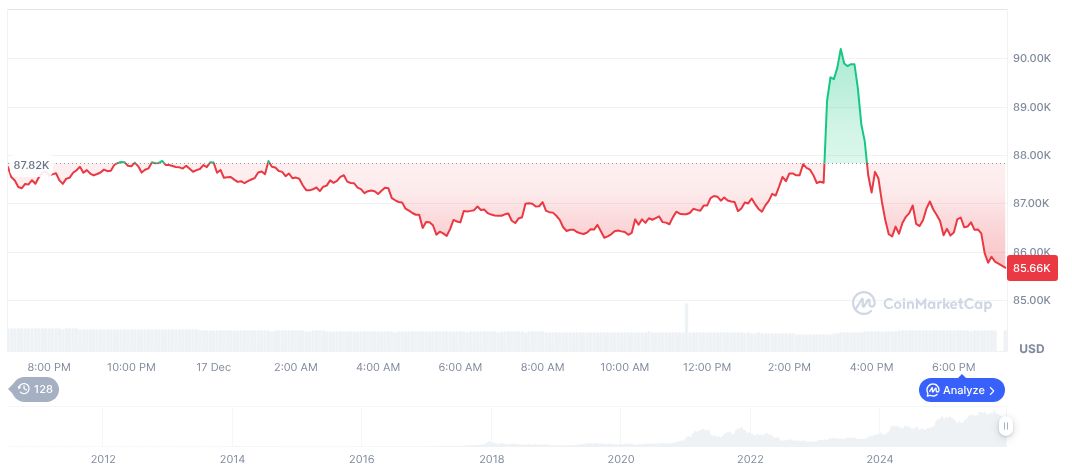
Coincu research team suggests that potential rate changes underscore possible impacts on market dynamics, particularly for technology-driven sectors. The integration of historical data suggests adaptability might be paramount amid future shifts.
| DISCLAIMER: The information on this website is provided as general market commentary and does not constitute investment advice. We encourage you to do your own research before investing. |

No tags available.


Other Posts









- Amplify 2024: Ohio’s Premier Blockchain Summit
- Polymarket Announces U.S. Beta Relaunch Amid Market Buzz
- China, US Conclude Trade Talks with Focus on Cooperation
- Michael Saylor Denies Bitcoin Sell-Off Amid Large BTC Transfer
- Crypto Weekly: NYSE Backs OKX, Kraken Gets Fed Access, BTC Sells
- Court Upholds Fed’s Rejection of Custodia Bank’s Request
- EU Opens Antitrust Probe Into Deutsche Boerse and Nasdaq Derivatives Dealings
- Kazakhstan Explores Crypto Reserves Backed by National Funds
- Nordea Bank Introduces Bitcoin ETP Trading for Nordic Customers
- JPMorgan Increases Holdings in BlackRock’s Bitcoin ETF
- XRP Spot ETF Launches on Nasdaq Amid Market Fluctuations
- JPMorgan Chase Launches 24/7 Digital Deposit Token for Clients
- Crypto Leaders Address Macro Volatility Amid Market Shifts
- Former CFO Convicted for $35M Fraudulent Crypto Investment
- Peter Schiff Challenges Michael Saylor on MSTR’s Business Model
- U.S. Treasury Proposes New Tax Relief Regulations
- WLFI Under Fire: Analyst Warns Hyperliquid Could Be Next
- Japan to Reduce Cryptocurrency Tax to 20%
- Yala Injects $5.5 Million Amid Recovery Efforts
- HSBC to Offer Tokenized Deposits in US and UAE
- Amplify 2024: Ohio’s Premier Blockchain Summit
- Polymarket Announces U.S. Beta Relaunch Amid Market Buzz
- China, US Conclude Trade Talks with Focus on Cooperation
- Michael Saylor Denies Bitcoin Sell-Off Amid Large BTC Transfer
- Crypto Weekly: NYSE Backs OKX, Kraken Gets Fed Access, BTC Sells
- Court Upholds Fed’s Rejection of Custodia Bank’s Request
- EU Opens Antitrust Probe Into Deutsche Boerse and Nasdaq Derivatives Dealings
- Kazakhstan Explores Crypto Reserves Backed by National Funds
- Nordea Bank Introduces Bitcoin ETP Trading for Nordic Customers
- JPMorgan Increases Holdings in BlackRock’s Bitcoin ETF
- XRP Spot ETF Launches on Nasdaq Amid Market Fluctuations
- JPMorgan Chase Launches 24/7 Digital Deposit Token for Clients
- Crypto Leaders Address Macro Volatility Amid Market Shifts
- Former CFO Convicted for $35M Fraudulent Crypto Investment
- Peter Schiff Challenges Michael Saylor on MSTR’s Business Model
- U.S. Treasury Proposes New Tax Relief Regulations
- WLFI Under Fire: Analyst Warns Hyperliquid Could Be Next
- Japan to Reduce Cryptocurrency Tax to 20%
- Yala Injects $5.5 Million Amid Recovery Efforts
- HSBC to Offer Tokenized Deposits in US and UAE
- Amplify 2024: Ohio’s Premier Blockchain Summit
- Polymarket Announces U.S. Beta Relaunch Amid Market Buzz
- China, US Conclude Trade Talks with Focus on Cooperation
- Michael Saylor Denies Bitcoin Sell-Off Amid Large BTC Transfer
- Crypto Weekly: NYSE Backs OKX, Kraken Gets Fed Access, BTC Sells
- Court Upholds Fed’s Rejection of Custodia Bank’s Request
- EU Opens Antitrust Probe Into Deutsche Boerse and Nasdaq Derivatives Dealings
- Kazakhstan Explores Crypto Reserves Backed by National Funds
- Nordea Bank Introduces Bitcoin ETP Trading for Nordic Customers
- JPMorgan Increases Holdings in BlackRock’s Bitcoin ETF
- XRP Spot ETF Launches on Nasdaq Amid Market Fluctuations
- JPMorgan Chase Launches 24/7 Digital Deposit Token for Clients
- Crypto Leaders Address Macro Volatility Amid Market Shifts
- Former CFO Convicted for $35M Fraudulent Crypto Investment
- Peter Schiff Challenges Michael Saylor on MSTR’s Business Model
- U.S. Treasury Proposes New Tax Relief Regulations
- WLFI Under Fire: Analyst Warns Hyperliquid Could Be Next
- Japan to Reduce Cryptocurrency Tax to 20%
- Yala Injects $5.5 Million Amid Recovery Efforts
- HSBC to Offer Tokenized Deposits in US and UAE
Latest











Press Release

Aster Expands WLFI Collaboration, Launches USD1-Denominated Perpetual Markets

Proof of Talk Flips the Events Model With the First Crypto Content Council & Podcast PowerHouse