








Federal Reserve Mulls Reserve Reduction to $2.6 Trillion Level
- Federal Reserve considers reducing reserves to $2.6 trillion, affecting liquidity.
- Bank liquidity and short-term rates may experience volatility.
- Historical QT cycles impacted Bitcoin and Ethereum price movements.
Federal Reserve Board member Christopher J. Waller stated that the Fed’s reserve levels could shrink to $2.6 trillion, emphasizing its importance for monetary policy on September 25, 2025.
Liquidity conditions and interest rates are likely affected, influencing banks and financial markets including cryptocurrencies like Bitcoin and Ethereum, with potential for increased market volatility.
Fed Announces Reserve Target in Quantitative Tightening Strategy
Federal Reserve Board member Christopher J. Waller outlined possible plans for reducing the Fed’s reserves to around $2.6 trillion on September 25, 2025. This development aligns with ongoing quantitative tightening efforts, aimed at adjusting the balance sheet and managing liquidity levels within the market. Waller’s comments resonate with the Fed’s broader strategy on asset management.
Crypto markets may experience volatility, especially as risk assets react to decreased liquidity. Crypto assets like Bitcoin and Ethereum have shown increased fluctuations during past quantitative tightening cycles. Fed’s communication is a key driver of sentiment, influencing both traditional and digital assets.
Crypto Volatility Anticipated as Liquid Pools Dry Up
Did you know? During previous Fed reserve reductions, markets experienced sharp reactions, particularly in the digital asset space. This highlights the broader implications the Federal Reserve’s policies can have beyond traditional markets.
Bitcoin (BTC) currently trades at $109,551.16 with a market cap of $2.18 trillion and dominates 58.25% of the market. Over the last 24 hours, its trading volume saw a 41.87% change, reflecting increased volatility due to market conditions. CoinMarketCap data indicates that Bitcoin’s price dropped 3.58% in the past 24 hours and 7.07% over the past week.
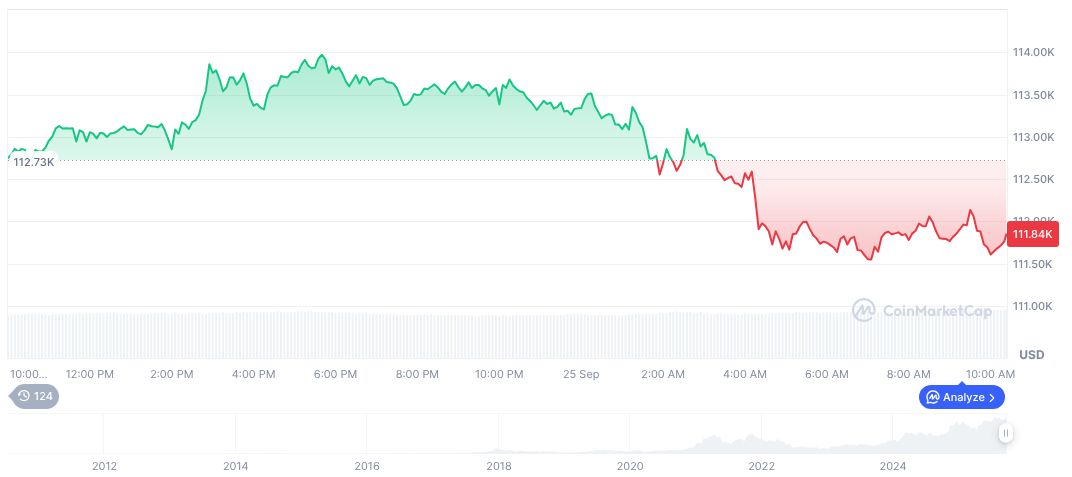
The Coincu research team indicates that liquidity reductions may impact asset volatility further. Historical trends from prior Fed actions show that Bitcoin and other cryptocurrencies tend to react to liquidity shifts, suggesting potential price volatility ahead. Regulatory contexts and technological responses could see adjustments aligned with monetary developments.
| DISCLAIMER: The information on this website is provided as general market commentary and does not constitute investment advice. We encourage you to do your own research before investing. |

No tags available.


Other Posts









- Amplify 2024: Ohio’s Premier Blockchain Summit
- Polymarket Announces U.S. Beta Relaunch Amid Market Buzz
- China, US Conclude Trade Talks with Focus on Cooperation
- Michael Saylor Denies Bitcoin Sell-Off Amid Large BTC Transfer
- Court Upholds Fed’s Rejection of Custodia Bank’s Request
- EU Opens Antitrust Probe Into Deutsche Boerse and Nasdaq Derivatives Dealings
- Kazakhstan Explores Crypto Reserves Backed by National Funds
- Nordea Bank Introduces Bitcoin ETP Trading for Nordic Customers
- JPMorgan Increases Holdings in BlackRock’s Bitcoin ETF
- XRP Spot ETF Launches on Nasdaq Amid Market Fluctuations
- JPMorgan Chase Launches 24/7 Digital Deposit Token for Clients
- Crypto Leaders Address Macro Volatility Amid Market Shifts
- Former CFO Convicted for $35M Fraudulent Crypto Investment
- Peter Schiff Challenges Michael Saylor on MSTR’s Business Model
- U.S. Treasury Proposes New Tax Relief Regulations
- Japan to Reduce Cryptocurrency Tax to 20%
- Amazon seeks to raise about $12 billion through a U.S. bond offering
- Radiant Capital Faces $50M Loss in Major Security Breach
- SEGG Media Unveils $300 Million Crypto Reserve Plan
- 21Shares Files S-1 With SEC to Launch Hyperliquid ($HYPE) ETF
- Amplify 2024: Ohio’s Premier Blockchain Summit
- Polymarket Announces U.S. Beta Relaunch Amid Market Buzz
- China, US Conclude Trade Talks with Focus on Cooperation
- Michael Saylor Denies Bitcoin Sell-Off Amid Large BTC Transfer
- Court Upholds Fed’s Rejection of Custodia Bank’s Request
- EU Opens Antitrust Probe Into Deutsche Boerse and Nasdaq Derivatives Dealings
- Kazakhstan Explores Crypto Reserves Backed by National Funds
- Nordea Bank Introduces Bitcoin ETP Trading for Nordic Customers
- JPMorgan Increases Holdings in BlackRock’s Bitcoin ETF
- XRP Spot ETF Launches on Nasdaq Amid Market Fluctuations
- JPMorgan Chase Launches 24/7 Digital Deposit Token for Clients
- Crypto Leaders Address Macro Volatility Amid Market Shifts
- Former CFO Convicted for $35M Fraudulent Crypto Investment
- Peter Schiff Challenges Michael Saylor on MSTR’s Business Model
- U.S. Treasury Proposes New Tax Relief Regulations
- Japan to Reduce Cryptocurrency Tax to 20%
- Amazon seeks to raise about $12 billion through a U.S. bond offering
- Radiant Capital Faces $50M Loss in Major Security Breach
- SEGG Media Unveils $300 Million Crypto Reserve Plan
- 21Shares Files S-1 With SEC to Launch Hyperliquid ($HYPE) ETF
- Amplify 2024: Ohio’s Premier Blockchain Summit
- Polymarket Announces U.S. Beta Relaunch Amid Market Buzz
- China, US Conclude Trade Talks with Focus on Cooperation
- Michael Saylor Denies Bitcoin Sell-Off Amid Large BTC Transfer
- Court Upholds Fed’s Rejection of Custodia Bank’s Request
- EU Opens Antitrust Probe Into Deutsche Boerse and Nasdaq Derivatives Dealings
- Kazakhstan Explores Crypto Reserves Backed by National Funds
- Nordea Bank Introduces Bitcoin ETP Trading for Nordic Customers
- JPMorgan Increases Holdings in BlackRock’s Bitcoin ETF
- XRP Spot ETF Launches on Nasdaq Amid Market Fluctuations
- JPMorgan Chase Launches 24/7 Digital Deposit Token for Clients
- Crypto Leaders Address Macro Volatility Amid Market Shifts
- Former CFO Convicted for $35M Fraudulent Crypto Investment
- Peter Schiff Challenges Michael Saylor on MSTR’s Business Model
- U.S. Treasury Proposes New Tax Relief Regulations
- Japan to Reduce Cryptocurrency Tax to 20%
- Amazon seeks to raise about $12 billion through a U.S. bond offering
- Radiant Capital Faces $50M Loss in Major Security Breach
- SEGG Media Unveils $300 Million Crypto Reserve Plan
- 21Shares Files S-1 With SEC to Launch Hyperliquid ($HYPE) ETF
Latest











Press Release

EvoCash Launches USD-Denominated Accounts with Real-Time Crypto-to-Fiat Conversion

MEXC Gold Futures Up 123%; Geopolitical Uncertainty Fuels Crypto-Metal Derivatives Surge
