





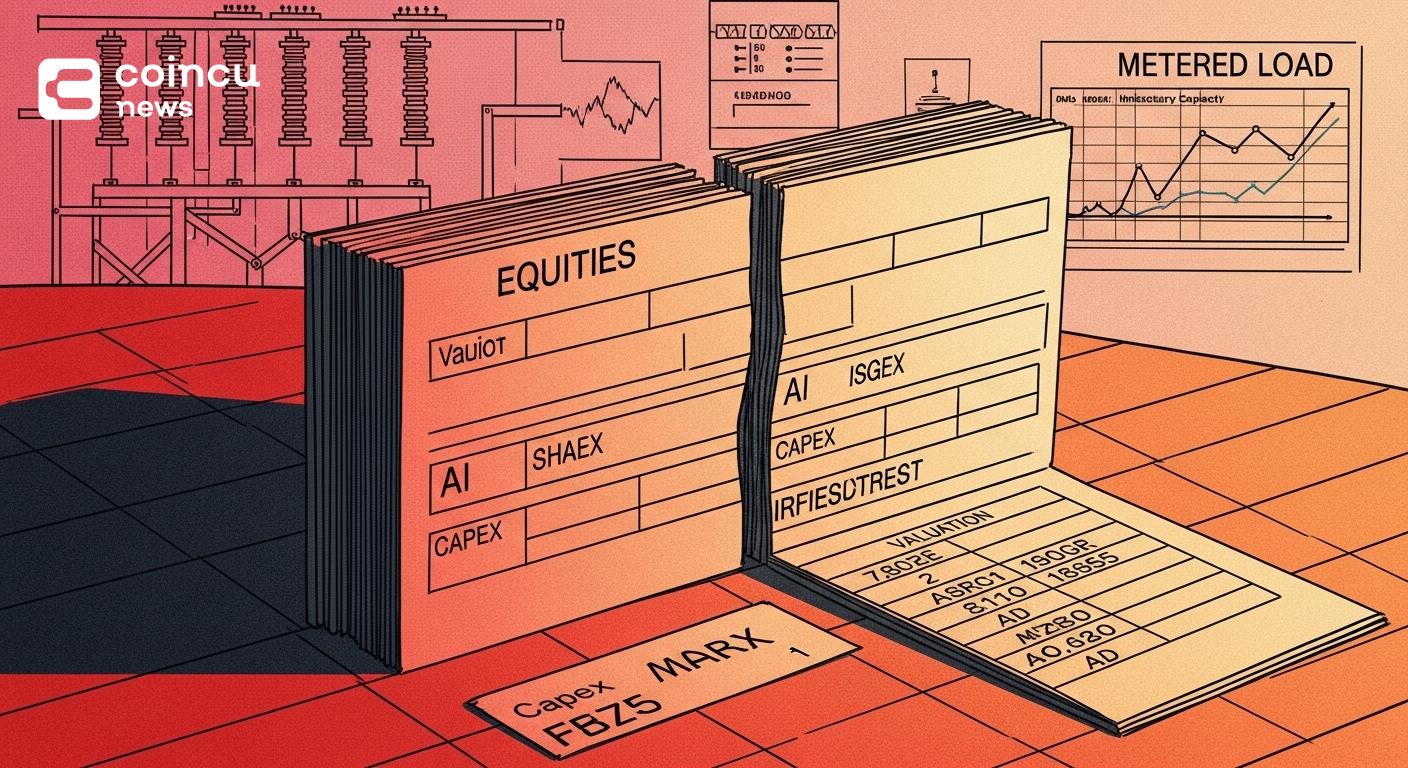
Investors may overestimate AI growth amid hyperscaler capex, data center power constraints
Investors may be overestimating the near‑term trajectory of AI investment as hyperscalers confront physical and regulatory limits. Power availability, grid interconnects, and specialized supply chains could slow build‑outs.
Economists are also debating whether 2025 AI spending truly boosted U.S. growth, given import leakages and data center costs, as reported by Finance & Commerce (https://finance-commerce.com/2026/02/ai-spending-us-economic-growth-2025-debate/).
Why it matters: exposure across semis, data centers, and S&P earnings
AI infrastructure capex flows from hyperscalers to semiconductors, networking, power equipment, and data center operators. Revenue realization then depends on monetization in software and services, with knock‑on effects for index‑level earnings.
If large AI players reduce capital intensity, sector earnings could recalibrate. According to Goldman Sachs, a reversion of spending to 2022 levels could cut S&P 500 sales growth tied to AI by roughly 30% (https://www.tradingview.com/news/invezz%3A9d55c57cb094b%3A0-goldman-sachs-sounds-alarm-on-ai-bubble-risk-why-analysts-are-worried/).
At the time of this writing, NVIDIA traded near $190.10, up about 0.14% intraday, based on data from NasdaqGS via Yahoo Finance.
Immediate impact: AI bubble risk, Bank of America, Chicago Fed signals
Institutional positioning has turned more cautious. A bank of America fund manager survey identified an “AI bubble” as a top tail risk and flagged potential overinvestment in AI‑related capex (https://fortune.com/2025/11/18/fund-managers-fear-ai-bubble-say-companies-overinvested-bofa-survey/).
central bank commentary underscores that productivity gains may take time to register in macro data. Austan Goolsbee, President of the federal reserve Bank of Chicago, said AI “has not been as big a driver…” of growth as some suggest (https://breakingthenews.net/Article/Fed’s-Goolsbee:-AI-role-in-growth-overstated/65733810).
Sustainability of current spending is not guaranteed. Wolfe Research cautioned that maintaining 2025’s AI capex pace into 2026 is uncertain amid power limits, materials bottlenecks, and regulation (https://uk.investing.com/news/stock-market-news/are-ai-spending-expectations-simply-too-high-4522686).
Scenarios and indicators: capex paths, supply limits, regulation to watch
Base, slower capex, and constraint-driven pause scenarios
Base case: capex grows from elevated levels but normalizes as efficiency improves and deployment scales. Earnings contribution broadens from infrastructure to software, with lags between spend and monetization.
Slower capex: procurement cycles lengthen, ROI hurdles tighten, and some projects slip. Suppliers see order pushouts, while utilities and landlords pace expansions to interconnect timelines.
Constraint‑driven pause: grid interconnect delays, GPU availability, and permitting slowdowns trigger temporary pauses. Revenue recognition shifts right, raising volatility for semis, equipment, and data center operators.
Indicators: utility interconnect queues, capex guidance, GPU supply, regulation
Watch utility interconnection queues, substation timelines, transformer lead times, and regional power pricing. These signal whether capacity is aligning with hyperscaler roadmaps.
Track capex guidance from major AI infrastructure buyers, reported GPU and networking lead times, and regulatory developments on siting, power markets, and data governance.
FAQ about AI bubble risk
Can hyperscalers maintain current levels of AI capex into 2026?
Sustaining 2025’s pace is uncertain amid grid constraints, component lead times, and policy hurdles. Budget sequencing and efficiency gains may force moderation.
How will power and supply constraints affect AI data center build-outs?
Interconnect backlogs and limited high‑end chip supply can delay commissioning, pushing revenue recognition later across semiconductors, power equipment, data centers, and software.
| DISCLAIMER: The information on this website is provided as general market commentary and does not constitute investment advice. We encourage you to do your own research before investing. |


Other Posts









- Amplify 2024: Ohio’s Premier Blockchain Summit
- Polymarket Announces U.S. Beta Relaunch Amid Market Buzz
- China, US Conclude Trade Talks with Focus on Cooperation
- Michael Saylor Denies Bitcoin Sell-Off Amid Large BTC Transfer
- Court Upholds Fed’s Rejection of Custodia Bank’s Request
- EU Opens Antitrust Probe Into Deutsche Boerse and Nasdaq Derivatives Dealings
- Kazakhstan Explores Crypto Reserves Backed by National Funds
- Nordea Bank Introduces Bitcoin ETP Trading for Nordic Customers
- JPMorgan Increases Holdings in BlackRock’s Bitcoin ETF
- U.S. Treasury Proposes New Tax Relief Regulations
- Radiant Capital Faces $50M Loss in Major Security Breach
- SEGG Media Unveils $300 Million Crypto Reserve Plan
- Crypto Leaders Address Macro Volatility Amid Market Shifts
- 21Shares Files S-1 With SEC to Launch Hyperliquid ($HYPE) ETF
- Hong Kong Sentences Influencer for Unlicensed Investment Advice
- Franklin Templeton Signals TradFi and Crypto Integration
- JPMorgan Chase Launches 24/7 Digital Deposit Token for Clients
- MicroStrategy Retains Spot in Nasdaq 100 Amid Criticism
- HashKey Prices IPO at High End, Raises $206 Million
- Former CFO Convicted for $35M Fraudulent Crypto Investment
- Amplify 2024: Ohio’s Premier Blockchain Summit
- Polymarket Announces U.S. Beta Relaunch Amid Market Buzz
- China, US Conclude Trade Talks with Focus on Cooperation
- Michael Saylor Denies Bitcoin Sell-Off Amid Large BTC Transfer
- Court Upholds Fed’s Rejection of Custodia Bank’s Request
- EU Opens Antitrust Probe Into Deutsche Boerse and Nasdaq Derivatives Dealings
- Kazakhstan Explores Crypto Reserves Backed by National Funds
- Nordea Bank Introduces Bitcoin ETP Trading for Nordic Customers
- JPMorgan Increases Holdings in BlackRock’s Bitcoin ETF
- U.S. Treasury Proposes New Tax Relief Regulations
- Radiant Capital Faces $50M Loss in Major Security Breach
- SEGG Media Unveils $300 Million Crypto Reserve Plan
- Crypto Leaders Address Macro Volatility Amid Market Shifts
- 21Shares Files S-1 With SEC to Launch Hyperliquid ($HYPE) ETF
- Hong Kong Sentences Influencer for Unlicensed Investment Advice
- Franklin Templeton Signals TradFi and Crypto Integration
- JPMorgan Chase Launches 24/7 Digital Deposit Token for Clients
- MicroStrategy Retains Spot in Nasdaq 100 Amid Criticism
- HashKey Prices IPO at High End, Raises $206 Million
- Former CFO Convicted for $35M Fraudulent Crypto Investment
- Amplify 2024: Ohio’s Premier Blockchain Summit
- Polymarket Announces U.S. Beta Relaunch Amid Market Buzz
- China, US Conclude Trade Talks with Focus on Cooperation
- Michael Saylor Denies Bitcoin Sell-Off Amid Large BTC Transfer
- Court Upholds Fed’s Rejection of Custodia Bank’s Request
- EU Opens Antitrust Probe Into Deutsche Boerse and Nasdaq Derivatives Dealings
- Kazakhstan Explores Crypto Reserves Backed by National Funds
- Nordea Bank Introduces Bitcoin ETP Trading for Nordic Customers
- JPMorgan Increases Holdings in BlackRock’s Bitcoin ETF
- U.S. Treasury Proposes New Tax Relief Regulations
- Radiant Capital Faces $50M Loss in Major Security Breach
- SEGG Media Unveils $300 Million Crypto Reserve Plan
- Crypto Leaders Address Macro Volatility Amid Market Shifts
- 21Shares Files S-1 With SEC to Launch Hyperliquid ($HYPE) ETF
- Hong Kong Sentences Influencer for Unlicensed Investment Advice
- Franklin Templeton Signals TradFi and Crypto Integration
- JPMorgan Chase Launches 24/7 Digital Deposit Token for Clients
- MicroStrategy Retains Spot in Nasdaq 100 Amid Criticism
- HashKey Prices IPO at High End, Raises $206 Million
- Former CFO Convicted for $35M Fraudulent Crypto Investment
Latest











Press Release

AVATAR48 Redefines Intimacy with $AYA Launch on Virtuals; Onboards Global Icon Eimi Fukada
Phemex Completes Full Integration of Ondo Finance Tokenized Equity Suite