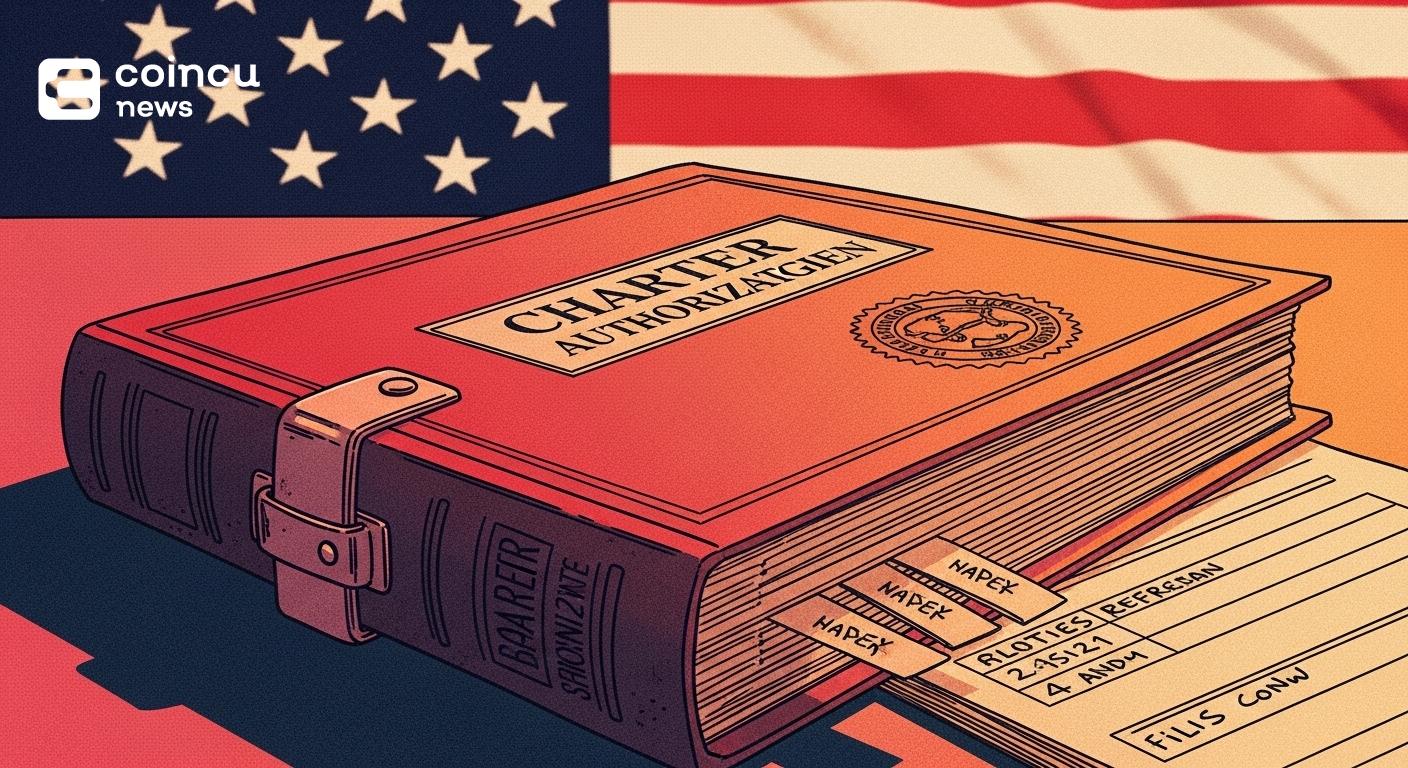
CZ’s major shareholding may complicate deeper U.S. banking cooperation
Changpeng “CZ” Zhao remains the major shareholder of Binance.US and has signaled interest in deeper banking cooperation and potential charter options, according to GuruFocus. He emphasized these plans concern Binance.US, distinct from the global platform.
Large economic ownership can prompt additional scrutiny from U.S. financial institutions. Banks evaluate whether a shareholder could exert influence over governance, operations, or risk-taking, even when formal voting rights are limited.
Any expanded bank integration would likely hinge on evidence that management, compliance, and treasury decisions are insulated from shareholder influence. The distinction between an economic stake and operational control is central to risk assessments.
Why ownership-versus-control matters to banks and regulators
In supervisory reviews, institutions focus on who can direct strategy, move assets, or set risk appetite. Beneficial ownership is relevant, but actual control, formal or informal, often drives regulatory judgments.
Public disclosures indicate CZ relinquished governance roles at Binance.US and reassigned his board voting rights to a proxy in late 2023. The move aimed to separate his economic interest from decision-making and oversight.
Binance.US said the change made his interest ‘purely economic,’ following his departure from the board and transfer of voting rights via proxy, as reported by CoinDesk. That characterization aimed to separate ownership from governance.
Even with proxy arrangements, banks may test for residual influence through related-party dealings, information access, or informal direction. Banks will look for controls that operate independently of any single shareholder. Evidence often includes audit trails, approvals, and separation of duties.
After SEC lawsuit withdrawal, banks may reassess Binance.US risk
The 2023 enforcement case against Binance.US was withdrawn, reducing litigation overhang for prospective counterparties, as reported by CryptoBriefing. Some institutions may revisit risk appetite under clearer legal contours.
However, reassessment does not imply readiness to integrate. Counterparties typically review governance, BSA/AML controls, sanctions screening, and operational resilience before expanding services.
At the time of this writing, Coinbase (COIN) traded near $159.64, down about 6.8% intraday, based on data from Yahoo Finance. Broader crypto-equity volatility can shape banks’ near-term risk sensitivity.
Practical pathways: banking partnerships or a U.S. charter
Pathways range from incremental banking partnerships for payments, custody, and cash management to pursuing a U.S. charter. Each step would require provable governance independence and control frameworks suitable for regulated finance.
What banks typically expect: governance, BSA/AML, risk controls
Institutions look for an empowered, independent board and a clear three-lines-of-defense. Programs must include robust BSA/AML and sanctions controls, vendor risk, and transparent liquidity and safeguarding.
Ownership changes or proxies that signal independence to institutions
Banks often view reduced or restructured ownership, stronger proxy mechanics, and independent committees as positive signals. Adjusting the shareholder profile could ease licensing frictions, according to CoinCodex.
FAQ about Binance.US banking charter
If CZ transferred his voting rights, how much control does he still have over Binance.US decisions?
Voting rights moved to a proxy limit formal control. Regulators and banks still evaluate any residual influence through ownership, access, or informal direction. Independence must be demonstrated.
What changed for Binance.US after the SEC withdrew its lawsuit, and how does that impact bank partnerships?
The litigation overhang eased, clarifying legal exposure. Banks may reassess counterparty risk, but expanded partnerships still depend on governance, BSA/AML effectiveness, and operational controls meeting institutional standards.
| DISCLAIMER: The information on this website is provided as general market commentary and does not constitute investment advice. We encourage you to do your own research before investing. |


Other Posts







- Amplify 2024: Ohio’s Premier Blockchain Summit
- Polymarket Announces U.S. Beta Relaunch Amid Market Buzz
- China, US Conclude Trade Talks with Focus on Cooperation
- Crypto Weekly: NYSE Backs OKX, Kraken Gets Fed Access, BTC Sells
- CELO holds as Celo reviews Opera 160M token claim
- DeriW Launches Edge Hour Trading Competition Platform for Derivatives Traders
- Michael Saylor Denies Bitcoin Sell-Off Amid Large BTC Transfer
- Court Upholds Fed’s Rejection of Custodia Bank’s Request
- EU Opens Antitrust Probe Into Deutsche Boerse and Nasdaq Derivatives Dealings
- Kazakhstan Explores Crypto Reserves Backed by National Funds
- JPMorgan Increases Holdings in BlackRock’s Bitcoin ETF
- Nordea Bank Introduces Bitcoin ETP Trading for Nordic Customers
- XRP Spot ETF Launches on Nasdaq Amid Market Fluctuations
- JPMorgan Chase Launches 24/7 Digital Deposit Token for Clients
- Crypto Leaders Address Macro Volatility Amid Market Shifts
- Former CFO Convicted for $35M Fraudulent Crypto Investment
- Peter Schiff Challenges Michael Saylor on MSTR’s Business Model
- Thailand Orders Worldcoin to Delete 1.2 Million Biometric Records
- UK Proposes New DeFi Tax Framework to Ease User Burden
- U.S. Treasury Proposes New Tax Relief Regulations
- Amplify 2024: Ohio’s Premier Blockchain Summit
- Polymarket Announces U.S. Beta Relaunch Amid Market Buzz
- China, US Conclude Trade Talks with Focus on Cooperation
- Crypto Weekly: NYSE Backs OKX, Kraken Gets Fed Access, BTC Sells
- CELO holds as Celo reviews Opera 160M token claim
- DeriW Launches Edge Hour Trading Competition Platform for Derivatives Traders
- Michael Saylor Denies Bitcoin Sell-Off Amid Large BTC Transfer
- Court Upholds Fed’s Rejection of Custodia Bank’s Request
- EU Opens Antitrust Probe Into Deutsche Boerse and Nasdaq Derivatives Dealings
- Kazakhstan Explores Crypto Reserves Backed by National Funds
- JPMorgan Increases Holdings in BlackRock’s Bitcoin ETF
- Nordea Bank Introduces Bitcoin ETP Trading for Nordic Customers
- XRP Spot ETF Launches on Nasdaq Amid Market Fluctuations
- JPMorgan Chase Launches 24/7 Digital Deposit Token for Clients
- Crypto Leaders Address Macro Volatility Amid Market Shifts
- Former CFO Convicted for $35M Fraudulent Crypto Investment
- Peter Schiff Challenges Michael Saylor on MSTR’s Business Model
- Thailand Orders Worldcoin to Delete 1.2 Million Biometric Records
- UK Proposes New DeFi Tax Framework to Ease User Burden
- U.S. Treasury Proposes New Tax Relief Regulations
- Amplify 2024: Ohio’s Premier Blockchain Summit
- Polymarket Announces U.S. Beta Relaunch Amid Market Buzz
- China, US Conclude Trade Talks with Focus on Cooperation
- Crypto Weekly: NYSE Backs OKX, Kraken Gets Fed Access, BTC Sells
- CELO holds as Celo reviews Opera 160M token claim
- DeriW Launches Edge Hour Trading Competition Platform for Derivatives Traders
- Michael Saylor Denies Bitcoin Sell-Off Amid Large BTC Transfer
- Court Upholds Fed’s Rejection of Custodia Bank’s Request
- EU Opens Antitrust Probe Into Deutsche Boerse and Nasdaq Derivatives Dealings
- Kazakhstan Explores Crypto Reserves Backed by National Funds
- JPMorgan Increases Holdings in BlackRock’s Bitcoin ETF
- Nordea Bank Introduces Bitcoin ETP Trading for Nordic Customers
- XRP Spot ETF Launches on Nasdaq Amid Market Fluctuations
- JPMorgan Chase Launches 24/7 Digital Deposit Token for Clients
- Crypto Leaders Address Macro Volatility Amid Market Shifts
- Former CFO Convicted for $35M Fraudulent Crypto Investment
- Peter Schiff Challenges Michael Saylor on MSTR’s Business Model
- Thailand Orders Worldcoin to Delete 1.2 Million Biometric Records
- UK Proposes New DeFi Tax Framework to Ease User Burden
- U.S. Treasury Proposes New Tax Relief Regulations
Latest

Institutions Still Resist Bitcoin Allocation as Iran Becomes a Key Market Variable

Second Batch of Hong Kong Compliant Stablecoin Licenses Enters Application Stage
Press Release

Polkadot’s $145M Legacy vs. DOGEBALL’s Future: These are the Best Cryptos to Buy Now
Enhanced Secures $1M in Strategic Pre-Seed Funding to Bring Structured Yield to More Assets Onchain