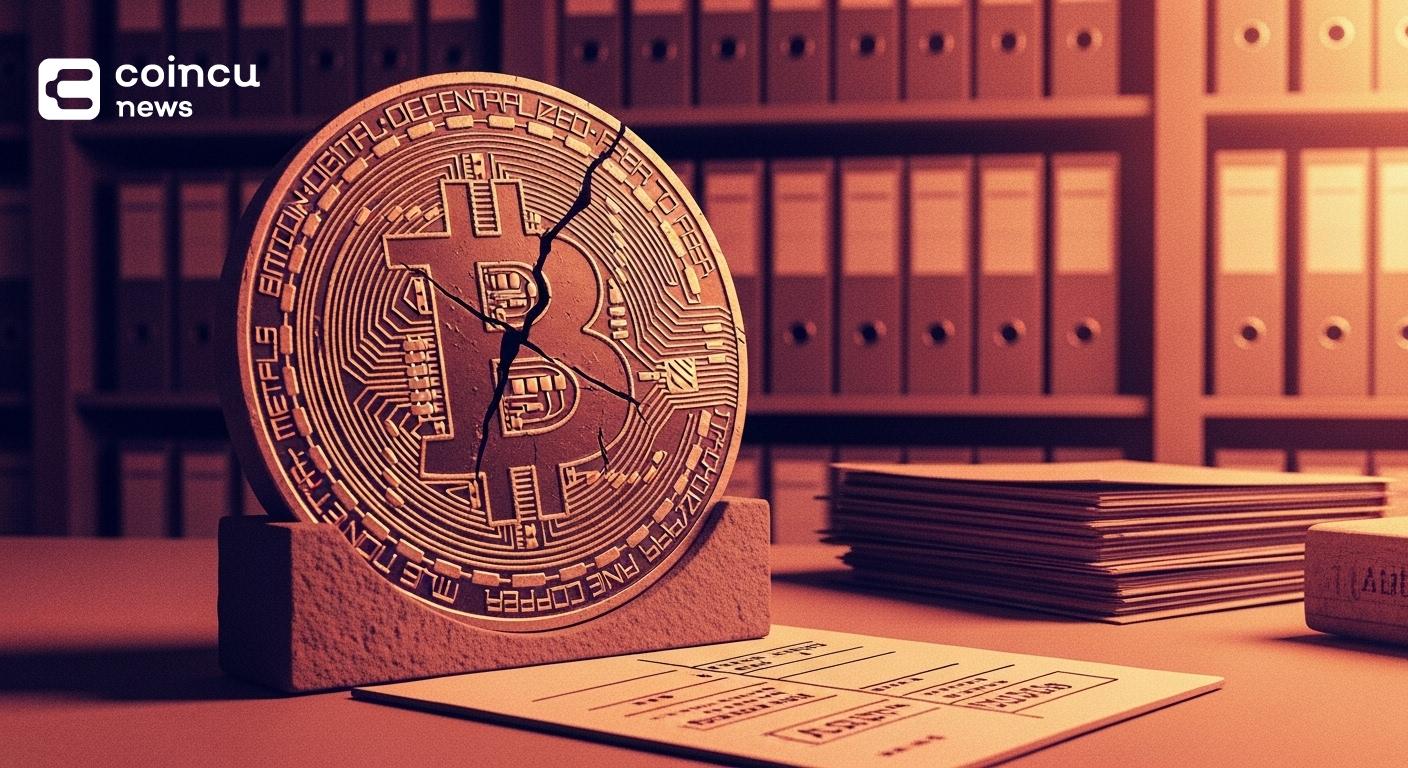
Banks signal caution on crypto exchange real-name account renewals post-Bithumb
South Korean banks are signaling a cautious stance toward renewing centralized exchange real-name account (실명계좌) partnerships following Bithumb’s airdrop error. Institutions are reassessing operational and compliance risks without publicly confirming delays or suspensions of renewals.
As reported by The National News, Bithumb mistakenly credited roughly 620,000 BTC to user accounts during a promotion, implying over $40 billion in value; Reuters noted that about 99.7% of the erroneous credits were later recovered. The episode has focused banks on exchange IT controls, ledger integrity, and incident response, particularly where real-name account relationships underpin fiat on- and off-ramps.
Why this matters for exchanges, users, and 실명계좌 access
Korean real-name account arrangements link exchanges to partner banks, enabling verified users to deposit and withdraw won. Renewal decisions shape market access, liquidity pathways, and banks’ regulatory exposure.
According to the Financial Supervisory Service (FSS), users who disposed of mistakenly credited assets are legally obligated to return them, underscoring counterparty and restitution risks that banks and exchanges must govern. This legal framing may influence banks’ enhanced due diligence and client monitoring expectations during upcoming renewals.
KB Kookmin Bank warned of phishing attempts exploiting confusion around the incident, highlighting broader fraud and reputational risks that can spill over to banking partners. This reinforces the need for stronger customer communications and incident triage playbooks across bank–exchange interfaces.
Immediate impact: FSS/FSC investigations and renewal due diligence
Regulators have opened investigations into Bithumb and initiated on-site checks, with the FSS and the Financial Services Commission (FSC) emphasizing internal control robustness. Banks appear focused on control testing, change management oversight, and reconciliation discipline as they prepare for renewal cycles.
Editorially, the central concern is operational risk: how phantom balances could be credited, traded, and then unwound through internal ledger corrections. Lee Chan-jin at the Financial Supervisory Service said the mistake revealed a “catastrophic failure of internal controls.”
At the time of this writing, Bitcoin (BTC) trades around $66,822 with very high 12.19% volatility and bearish sentiment; the 14-day RSI is near 31.13. These conditions neither determine renewals nor mitigate control findings, but they frame near-term market context.
Regulatory response and what to watch next
FSS and FSC investigations; DAXA audits; bank risk checks
The FSS and FSC are pursuing investigative reviews while the Digital Asset eXchange Alliance (DAXA) announced audits of member exchanges’ internal controls. Banks are expected to intensify risk assessments of promotions, crediting workflows, and ledger safeguards as renewals approach.
Public statements have emphasized remediation over market disruption, and there is no official confirmation that renewals are being withheld. Still, the combination of regulatory scrutiny and self-audits points to stricter evidence requirements for operational resilience.
Brief timeline: mistaken 620,000 BTC credits and 99.7% reversals
As reported by Cointelegraph, a unit-entry error turned a KRW promotion into roughly 620,000 BTC credits before trading and withdrawals were halted within about 30–35 minutes, and Bithumb later said it corrected 99.7% via ledger reversals. The incident exposed gaps in pre-deployment checks, approval flows, and automated limits designed to prevent illusory balances from becoming tradeable.
FAQ about Bithumb ghost Bitcoin incident
Which banks and exchanges are most likely to face tighter scrutiny during real-name account renewals?
Large Korean CEXs with 실명계좌 partnerships will likely see enhanced testing. KB Kookmin Bank flagged phishing risks, and DAXA member platforms face internal-control audits.
What have the FSS and FSC officially said so far, and what is the status of their investigation into Bithumb?
The FSS and FSC launched investigations and on-site inspections. Regulators highlighted internal control failures and user restitution duties; no official confirmation of withheld renewals to date.
| DISCLAIMER: The information on this website is provided as general market commentary and does not constitute investment advice. We encourage you to do your own research before investing. |


Other Posts








- Amplify 2024: Ohio’s Premier Blockchain Summit
- Polymarket Announces U.S. Beta Relaunch Amid Market Buzz
- China, US Conclude Trade Talks with Focus on Cooperation
- Crypto Weekly: NYSE Backs OKX, Kraken Gets Fed Access, BTC Sells
- Michael Saylor Denies Bitcoin Sell-Off Amid Large BTC Transfer
- Court Upholds Fed’s Rejection of Custodia Bank’s Request
- EU Opens Antitrust Probe Into Deutsche Boerse and Nasdaq Derivatives Dealings
- Kazakhstan Explores Crypto Reserves Backed by National Funds
- Nordea Bank Introduces Bitcoin ETP Trading for Nordic Customers
- JPMorgan Increases Holdings in BlackRock’s Bitcoin ETF
- XRP Spot ETF Launches on Nasdaq Amid Market Fluctuations
- JPMorgan Chase Launches 24/7 Digital Deposit Token for Clients
- Crypto Leaders Address Macro Volatility Amid Market Shifts
- Former CFO Convicted for $35M Fraudulent Crypto Investment
- Peter Schiff Challenges Michael Saylor on MSTR’s Business Model
- Thailand Orders Worldcoin to Delete 1.2 Million Biometric Records
- UK Proposes New DeFi Tax Framework to Ease User Burden
- U.S. Treasury Proposes New Tax Relief Regulations
- Uniswap’s UNIfication Proposal Gains Massive Preliminary Support
- WLFI Under Fire: Analyst Warns Hyperliquid Could Be Next
- Amplify 2024: Ohio’s Premier Blockchain Summit
- Polymarket Announces U.S. Beta Relaunch Amid Market Buzz
- China, US Conclude Trade Talks with Focus on Cooperation
- Crypto Weekly: NYSE Backs OKX, Kraken Gets Fed Access, BTC Sells
- Michael Saylor Denies Bitcoin Sell-Off Amid Large BTC Transfer
- Court Upholds Fed’s Rejection of Custodia Bank’s Request
- EU Opens Antitrust Probe Into Deutsche Boerse and Nasdaq Derivatives Dealings
- Kazakhstan Explores Crypto Reserves Backed by National Funds
- Nordea Bank Introduces Bitcoin ETP Trading for Nordic Customers
- JPMorgan Increases Holdings in BlackRock’s Bitcoin ETF
- XRP Spot ETF Launches on Nasdaq Amid Market Fluctuations
- JPMorgan Chase Launches 24/7 Digital Deposit Token for Clients
- Crypto Leaders Address Macro Volatility Amid Market Shifts
- Former CFO Convicted for $35M Fraudulent Crypto Investment
- Peter Schiff Challenges Michael Saylor on MSTR’s Business Model
- Thailand Orders Worldcoin to Delete 1.2 Million Biometric Records
- UK Proposes New DeFi Tax Framework to Ease User Burden
- U.S. Treasury Proposes New Tax Relief Regulations
- Uniswap’s UNIfication Proposal Gains Massive Preliminary Support
- WLFI Under Fire: Analyst Warns Hyperliquid Could Be Next
- Amplify 2024: Ohio’s Premier Blockchain Summit
- Polymarket Announces U.S. Beta Relaunch Amid Market Buzz
- China, US Conclude Trade Talks with Focus on Cooperation
- Crypto Weekly: NYSE Backs OKX, Kraken Gets Fed Access, BTC Sells
- Michael Saylor Denies Bitcoin Sell-Off Amid Large BTC Transfer
- Court Upholds Fed’s Rejection of Custodia Bank’s Request
- EU Opens Antitrust Probe Into Deutsche Boerse and Nasdaq Derivatives Dealings
- Kazakhstan Explores Crypto Reserves Backed by National Funds
- Nordea Bank Introduces Bitcoin ETP Trading for Nordic Customers
- JPMorgan Increases Holdings in BlackRock’s Bitcoin ETF
- XRP Spot ETF Launches on Nasdaq Amid Market Fluctuations
- JPMorgan Chase Launches 24/7 Digital Deposit Token for Clients
- Crypto Leaders Address Macro Volatility Amid Market Shifts
- Former CFO Convicted for $35M Fraudulent Crypto Investment
- Peter Schiff Challenges Michael Saylor on MSTR’s Business Model
- Thailand Orders Worldcoin to Delete 1.2 Million Biometric Records
- UK Proposes New DeFi Tax Framework to Ease User Burden
- U.S. Treasury Proposes New Tax Relief Regulations
- Uniswap’s UNIfication Proposal Gains Massive Preliminary Support
- WLFI Under Fire: Analyst Warns Hyperliquid Could Be Next
Latest

K33: Bitcoin Consolidation Signals Possible Market Bottom as Selling Pressure Subsides

Bitcoin Vacuum Zone $72,000–$82,000: Upward Momentum Still Unconfirmed

$193 Million in Crypto Liquidations in 24 Hours, Short Positions Take the Brunt








Press Release

Bitmine Immersion Technologies (BMNR) Announces Launch of MAVAN (Made In America VAlidator Network), the Company’s Proprietary Staking Solution

BYDFi Expands European Reach with Next Block Expo 2026 Sponsorship in Warsaw