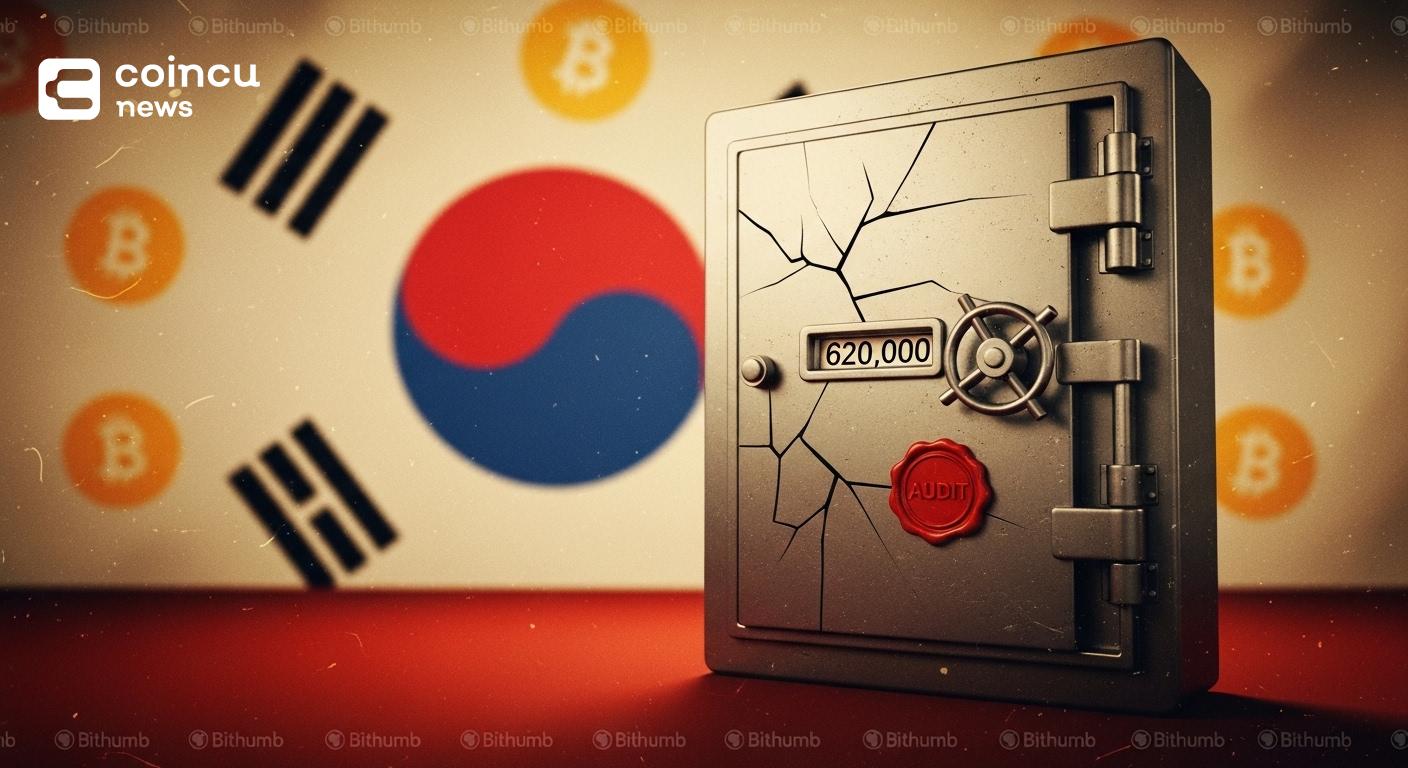
Bithumb mistakenly credited 620,000 BTC; most reportedly recovered
Bithumb mistakenly credited user accounts with approximately 620,000 BTC during a promotional event on Friday, briefly creating more than $40 billion in phantom value, as reported by news.az. In total, 86 customers reportedly sold bitcoins sent by mistake before the exchange halted affected activity.
According to Bithumb, about 99.7% of the unintentionally transferred bitcoin was recovered by Saturday. Impacted balances and orders were subsequently adjusted to reflect corrected amounts.
The episode underscores a reconciliation gap: reward systems should not be able to post balances exceeding actual holdings. The scale transformed a routine promotion into a platform-wide operational failure.
Why it matters: credibility hit and severe regulatory scrutiny
Regulatory attention intensified immediately, with a joint emergency task force spanning the Financial Supervisory Service, Financial Services Commission, Financial Intelligence Unit, and industry groups, as reported by Korea JoongAng Daily. The formation signals that officials view the case as systemic, not isolated.
Officials have framed the error as a structural weakness in exchange infrastructure rather than a single clerical lapse. “Structural weaknesses in virtual asset information systems” must be addressed, said Lee Chan-jin, Governor of the Financial Supervisory Service, as quoted by The Korea Times.
Severity is also on the table: the incident undermines market credibility and could invite the highest level of sanctions, potentially including suspension, as reported by Chosun. Any such measure would depend on confirmed violations following formal probes.
Immediate impact: investigations, recovery efforts, and user account adjustments
Regulators opened investigations and signaled the possibility of on-site inspections if legal breaches are identified, according to Seoul Economic Daily. Agencies are gathering logs on issuance, trade execution, and post-incident controls.
Recovery focused on freezing affected accounts, reversing erroneous ledger entries, and netting trades executed with mistaken credits. Under unjust enrichment principles, proceeds from misallocated assets are typically subject to clawback and settlement.
At the time of this writing, Bitcoin traded near $69,200 amid very high short-term volatility and neutral momentum readings. These figures provide context only and are unrelated to any investment stance.
Sanctions and compliance outlook under FSS and FSC scrutiny
Potential measures: inspections, fines, or suspension if violations are confirmed
Depending on findings, measures could include on-site inspections, administrative fines, corrective orders, or even temporary suspension of services if violations are confirmed, according to the Financial Services Commission. Discussions around strict liability signal elevated expectations for exchange-grade controls comparable to traditional finance.
Required safeguards: real-time reconciliation and strengthened internal controls
Experts, including Seoul National University law professor Lee Jung-soo, highlight the need for real-time reconciliation between ledgers and actual reserves, hard limits preventing over-issuance, dual approvals, and fail-safe kill-switches. Exchanges will likely be pressed to document design, testing, and audit trails.
FAQ about Bithumb 620,000 Bitcoin error
Is Bithumb at risk of suspension or license revocation, and what sanctions can regulators impose?
Yes, if violations are confirmed. Tools include on-site inspections, corrective orders, administrative fines, or temporary suspension. No suspension has been announced as of now.
What are the key findings or statements from the FSS/FSC so far, and what’s the investigation timeline?
Regulators formed a joint task force and began evidence collection. Early statements stress systemic control failures; timing for a final determination remains open-ended.
| DISCLAIMER: The information on this website is provided as general market commentary and does not constitute investment advice. We encourage you to do your own research before investing. |


Other Posts









- Amplify 2024: Ohio’s Premier Blockchain Summit
- Polymarket Announces U.S. Beta Relaunch Amid Market Buzz
- China, US Conclude Trade Talks with Focus on Cooperation
- Crypto Weekly: NYSE Backs OKX, Kraken Gets Fed Access, BTC Sells
- Michael Saylor Denies Bitcoin Sell-Off Amid Large BTC Transfer
- Court Upholds Fed’s Rejection of Custodia Bank’s Request
- EU Opens Antitrust Probe Into Deutsche Boerse and Nasdaq Derivatives Dealings
- Kazakhstan Explores Crypto Reserves Backed by National Funds
- Nordea Bank Introduces Bitcoin ETP Trading for Nordic Customers
- JPMorgan Increases Holdings in BlackRock’s Bitcoin ETF
- XRP Spot ETF Launches on Nasdaq Amid Market Fluctuations
- JPMorgan Chase Launches 24/7 Digital Deposit Token for Clients
- Crypto Leaders Address Macro Volatility Amid Market Shifts
- Former CFO Convicted for $35M Fraudulent Crypto Investment
- Peter Schiff Challenges Michael Saylor on MSTR’s Business Model
- U.S. Treasury Proposes New Tax Relief Regulations
- WLFI Under Fire: Analyst Warns Hyperliquid Could Be Next
- SEC Scrutiny on ALT5 Sigma’s Leadership Disclosure Timing
- Japan to Reduce Cryptocurrency Tax to 20%
- MoonPay Gains Trust License for Crypto Operations in New York
- Amplify 2024: Ohio’s Premier Blockchain Summit
- Polymarket Announces U.S. Beta Relaunch Amid Market Buzz
- China, US Conclude Trade Talks with Focus on Cooperation
- Crypto Weekly: NYSE Backs OKX, Kraken Gets Fed Access, BTC Sells
- Michael Saylor Denies Bitcoin Sell-Off Amid Large BTC Transfer
- Court Upholds Fed’s Rejection of Custodia Bank’s Request
- EU Opens Antitrust Probe Into Deutsche Boerse and Nasdaq Derivatives Dealings
- Kazakhstan Explores Crypto Reserves Backed by National Funds
- Nordea Bank Introduces Bitcoin ETP Trading for Nordic Customers
- JPMorgan Increases Holdings in BlackRock’s Bitcoin ETF
- XRP Spot ETF Launches on Nasdaq Amid Market Fluctuations
- JPMorgan Chase Launches 24/7 Digital Deposit Token for Clients
- Crypto Leaders Address Macro Volatility Amid Market Shifts
- Former CFO Convicted for $35M Fraudulent Crypto Investment
- Peter Schiff Challenges Michael Saylor on MSTR’s Business Model
- U.S. Treasury Proposes New Tax Relief Regulations
- WLFI Under Fire: Analyst Warns Hyperliquid Could Be Next
- SEC Scrutiny on ALT5 Sigma’s Leadership Disclosure Timing
- Japan to Reduce Cryptocurrency Tax to 20%
- MoonPay Gains Trust License for Crypto Operations in New York
- Amplify 2024: Ohio’s Premier Blockchain Summit
- Polymarket Announces U.S. Beta Relaunch Amid Market Buzz
- China, US Conclude Trade Talks with Focus on Cooperation
- Crypto Weekly: NYSE Backs OKX, Kraken Gets Fed Access, BTC Sells
- Michael Saylor Denies Bitcoin Sell-Off Amid Large BTC Transfer
- Court Upholds Fed’s Rejection of Custodia Bank’s Request
- EU Opens Antitrust Probe Into Deutsche Boerse and Nasdaq Derivatives Dealings
- Kazakhstan Explores Crypto Reserves Backed by National Funds
- Nordea Bank Introduces Bitcoin ETP Trading for Nordic Customers
- JPMorgan Increases Holdings in BlackRock’s Bitcoin ETF
- XRP Spot ETF Launches on Nasdaq Amid Market Fluctuations
- JPMorgan Chase Launches 24/7 Digital Deposit Token for Clients
- Crypto Leaders Address Macro Volatility Amid Market Shifts
- Former CFO Convicted for $35M Fraudulent Crypto Investment
- Peter Schiff Challenges Michael Saylor on MSTR’s Business Model
- U.S. Treasury Proposes New Tax Relief Regulations
- WLFI Under Fire: Analyst Warns Hyperliquid Could Be Next
- SEC Scrutiny on ALT5 Sigma’s Leadership Disclosure Timing
- Japan to Reduce Cryptocurrency Tax to 20%
- MoonPay Gains Trust License for Crypto Operations in New York
Latest











Press Release

Zoomex Outlines AI-Ready Liquidity and Execution Framework as Automated Trading Expands