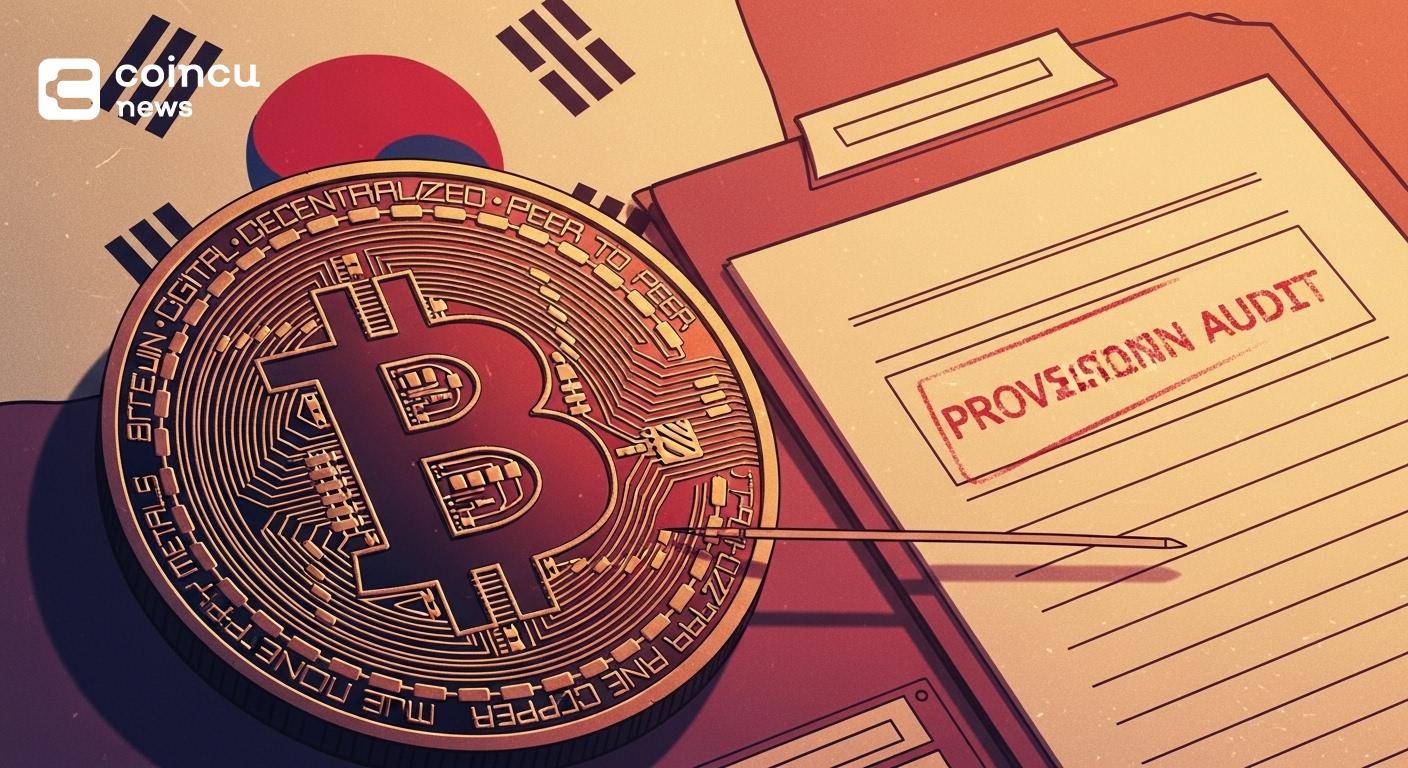
Two suspects arrested for 22 BTC evidence theft in South Korea
according to BitcoinWorld, crypto-espionage-sentence/”>south korean police have arrested two individuals over the alleged theft of 22 BTC seized as digital evidence. The arrests follow a 2021 hacking investigation in which the coins were taken into custody.
As reported by Maeil Business, the bitcoins were surrendered in November 2021 in a case involving the A Coin Foundation. The outlet also said the suspects, both in their 40s, are not police officers and allegedly used a mnemonic seed to extract the funds under the Information and Communications Network Act.
Why it matters in the South Korea seized Bitcoin case
This incident spotlights governance risk when seized virtual assets bypass standardized custody. According to The Block, police accepted a complainant-supplied wallet for storage, undermining segregation of duties and oversight. With the investigation ongoing, officials have limited disclosures. “We are investigating the circumstances surrounding the virtual asset leak, and as the investigation is still ongoing, we cannot confirm any specifics,” said a police spokesperson.
The case is being discussed alongside the missing 320 BTC at the Gwangju District Prosecutors’ Office, where holdings were transferred from cold wallets without authorization, as reported by Korea JoongAng Daily. Together, these episodes point to systemic weaknesses in key management and monitoring across institutions.
Immediate impact: audits and oversight at Gangnam Police Station
The National Police Agency ordered an audit of all confiscated virtual assets, and Seoul police identified the loss during that process, according to the agency. Gangnam Police Station has initiated internal oversight measures consistent with that directive.
Authorities are reviewing chain-of-custody records and wallet access histories to identify control failures. Further administrative guidance is expected once the internal probe concludes, subject to prosecutorial coordination.
At the time of this writing, Bitcoin (BTC) traded near $69,026, based on available market data. Price movements are contextual and do not affect the underlying legal process.
Crypto evidence chain of custody: teardown and remedies
Breakpoints: plaintiff-supplied wallet, mnemonic access, delayed discovery via audits
Chain-of-custody risk increases when seized crypto remains on a plaintiff-supplied wallet rather than a controlled, agency-issued wallet. Mnemonic or seed exposure creates a single point of failure. Delayed discovery, often via periodic audits, extends dwell time for undetected transfers.
Recommended controls: multisig, independent key shards, access logs, on-chain audits
A baseline model uses multisignature wallets with independent key shards held by separate units and recorded via formal key ceremonies. Segregation of duties and immutable access logs reduce insider risk. Continuous on-chain monitoring and scheduled reconciliations flag unauthorized movements promptly. Independent oversight and evidence-only hardware, kept offline except for controlled sessions, strengthen custody integrity.
FAQ about 22 BTC theft from police evidence
How did the suspects gain access to the seized Bitcoin, was a seed phrase or mnemonic leaked?
Investigators have not confirmed the method; allegations point to mnemonic-based access, but specifics remain under review.
Are the arrested individuals connected to the A Coin Foundation hacking investigation?
The case is associated with a 2021 investigation involving the A Coin Foundation; investigators have not detailed relationships.
| DISCLAIMER: The information on this website is provided as general market commentary and does not constitute investment advice. We encourage you to do your own research before investing. |


Other Posts








- Amplify 2024: Ohio’s Premier Blockchain Summit
- Polymarket Announces U.S. Beta Relaunch Amid Market Buzz
- China, US Conclude Trade Talks with Focus on Cooperation
- Crypto Weekly: NYSE Backs OKX, Kraken Gets Fed Access, BTC Sells
- CELO holds as Celo reviews Opera 160M token claim
- DeriW Launches Edge Hour Trading Competition Platform for Derivatives Traders
- Michael Saylor Denies Bitcoin Sell-Off Amid Large BTC Transfer
- Court Upholds Fed’s Rejection of Custodia Bank’s Request
- EU Opens Antitrust Probe Into Deutsche Boerse and Nasdaq Derivatives Dealings
- Kazakhstan Explores Crypto Reserves Backed by National Funds
- JPMorgan Increases Holdings in BlackRock’s Bitcoin ETF
- Nordea Bank Introduces Bitcoin ETP Trading for Nordic Customers
- XRP Spot ETF Launches on Nasdaq Amid Market Fluctuations
- JPMorgan Chase Launches 24/7 Digital Deposit Token for Clients
- Crypto Leaders Address Macro Volatility Amid Market Shifts
- Former CFO Convicted for $35M Fraudulent Crypto Investment
- Peter Schiff Challenges Michael Saylor on MSTR’s Business Model
- Thailand Orders Worldcoin to Delete 1.2 Million Biometric Records
- UK Proposes New DeFi Tax Framework to Ease User Burden
- U.S. Treasury Proposes New Tax Relief Regulations
- Amplify 2024: Ohio’s Premier Blockchain Summit
- Polymarket Announces U.S. Beta Relaunch Amid Market Buzz
- China, US Conclude Trade Talks with Focus on Cooperation
- Crypto Weekly: NYSE Backs OKX, Kraken Gets Fed Access, BTC Sells
- CELO holds as Celo reviews Opera 160M token claim
- DeriW Launches Edge Hour Trading Competition Platform for Derivatives Traders
- Michael Saylor Denies Bitcoin Sell-Off Amid Large BTC Transfer
- Court Upholds Fed’s Rejection of Custodia Bank’s Request
- EU Opens Antitrust Probe Into Deutsche Boerse and Nasdaq Derivatives Dealings
- Kazakhstan Explores Crypto Reserves Backed by National Funds
- JPMorgan Increases Holdings in BlackRock’s Bitcoin ETF
- Nordea Bank Introduces Bitcoin ETP Trading for Nordic Customers
- XRP Spot ETF Launches on Nasdaq Amid Market Fluctuations
- JPMorgan Chase Launches 24/7 Digital Deposit Token for Clients
- Crypto Leaders Address Macro Volatility Amid Market Shifts
- Former CFO Convicted for $35M Fraudulent Crypto Investment
- Peter Schiff Challenges Michael Saylor on MSTR’s Business Model
- Thailand Orders Worldcoin to Delete 1.2 Million Biometric Records
- UK Proposes New DeFi Tax Framework to Ease User Burden
- U.S. Treasury Proposes New Tax Relief Regulations
- Amplify 2024: Ohio’s Premier Blockchain Summit
- Polymarket Announces U.S. Beta Relaunch Amid Market Buzz
- China, US Conclude Trade Talks with Focus on Cooperation
- Crypto Weekly: NYSE Backs OKX, Kraken Gets Fed Access, BTC Sells
- CELO holds as Celo reviews Opera 160M token claim
- DeriW Launches Edge Hour Trading Competition Platform for Derivatives Traders
- Michael Saylor Denies Bitcoin Sell-Off Amid Large BTC Transfer
- Court Upholds Fed’s Rejection of Custodia Bank’s Request
- EU Opens Antitrust Probe Into Deutsche Boerse and Nasdaq Derivatives Dealings
- Kazakhstan Explores Crypto Reserves Backed by National Funds
- JPMorgan Increases Holdings in BlackRock’s Bitcoin ETF
- Nordea Bank Introduces Bitcoin ETP Trading for Nordic Customers
- XRP Spot ETF Launches on Nasdaq Amid Market Fluctuations
- JPMorgan Chase Launches 24/7 Digital Deposit Token for Clients
- Crypto Leaders Address Macro Volatility Amid Market Shifts
- Former CFO Convicted for $35M Fraudulent Crypto Investment
- Peter Schiff Challenges Michael Saylor on MSTR’s Business Model
- Thailand Orders Worldcoin to Delete 1.2 Million Biometric Records
- UK Proposes New DeFi Tax Framework to Ease User Burden
- U.S. Treasury Proposes New Tax Relief Regulations
Latest

X Launches Cashtags for Real-Time Stock and Crypto Quotes, Wealthsimple Pilot Access


Senators’ Revised Stablecoin Earnings Draft Could Reshape Crypto Market Structure
Press Release

Printr Launches V2 Platform Update With Five Fee Models and On-Chain Proof of Belief Staking

Could DOGEBALL Outpace the Ark ROI? Analyzing the Top Meme Coin Presales This Week