Bitcoin Market Volatility Amidst Rising US-European Trade Tensions
- President Trump announces tariffs related to Greenland, impacting major European nations.
- Denmark and other affected countries face escalating tariffs starting February 1.
- Trade policies strain political relationships over territorial disputes.
Senate Democrats plan to introduce legislation to counteract Trump’s tariffs on European nations, announced via Truth Social, over the Greenland annexation issue starting February 1.
The announcement could strain US-European relations, potentially impacting international trade and geopolitical dynamics, as Trump’s tariffs intensify economic and political tensions with strategic allies.
Main Content:
On January 18th, President Donald Trump declared a 10% tariff on European countries opposing U.S. plans regarding Greenland, escalating trade tensions. The tariffs target Denmark, Norway, Sweden, among others, with rates increasing to 25% by June 1st.
Such tariffs could disrupt international trade, putting pressure on economic ties between the U.S. and Europe. As tariffs rise, European exports to the U.S. will become increasingly expensive, potentially affecting market dynamics.
Certain leaders have voiced concerns. Chuck Schumer criticized the tariffs for harming U.S.-Europe connections, highlighting potential economic ramifications for both regions.
Trump’s Tariff Strategy and European Response
Did you know? Greenland’s strategic location has spurred geopolitical interest since Cold War times, highlighting its enduring role in international negotiations.
Bitcoin (BTC) is currently priced at $95,043.44, with a market cap of $1.90 trillion. The cryptocurrency commands a 58.93% market dominance, although its 24-hour trading volume of $16.49 billion reflects a 43.63% drop. Recent fluctuations show a 7-day gain of 4.84%, amidst a 90-day decrease of 14.21%, according to CoinMarketCap data.
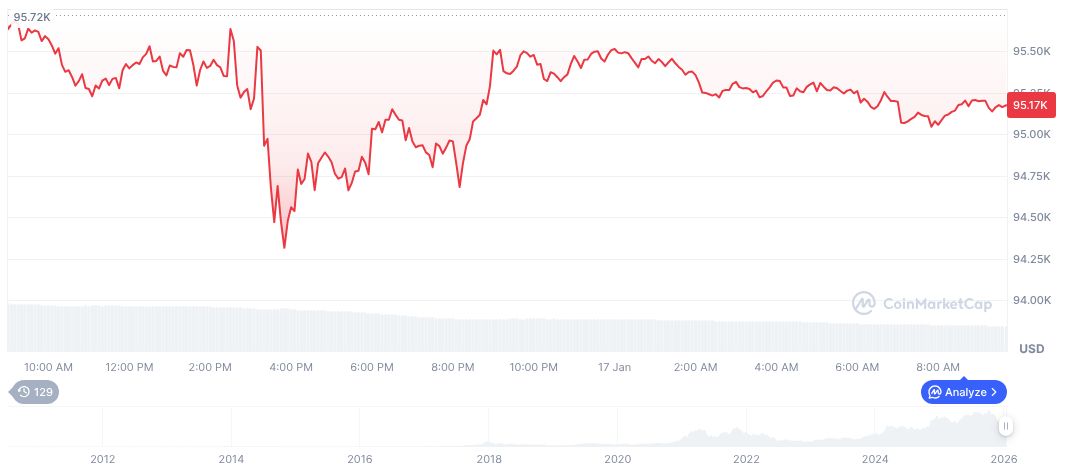
Coincu researchers suggest potential regulatory modifications stemming from heightened geopolitical tensions. Financial outcomes may involve increased market volatility while regulatory clarity could arise from heightened intervention, influencing the broader economic landscape.
| DISCLAIMER: The information on this website is provided as general market commentary and does not constitute investment advice. We encourage you to do your own research before investing. |

No tags available.


Other Posts









- Amplify 2024: Ohio’s Premier Blockchain Summit
- Polymarket Announces U.S. Beta Relaunch Amid Market Buzz
- China, US Conclude Trade Talks with Focus on Cooperation
- Crypto Weekly: NYSE Backs OKX, Kraken Gets Fed Access, BTC Sells
- Michael Saylor Denies Bitcoin Sell-Off Amid Large BTC Transfer
- Court Upholds Fed’s Rejection of Custodia Bank’s Request
- EU Opens Antitrust Probe Into Deutsche Boerse and Nasdaq Derivatives Dealings
- Kazakhstan Explores Crypto Reserves Backed by National Funds
- Nordea Bank Introduces Bitcoin ETP Trading for Nordic Customers
- JPMorgan Increases Holdings in BlackRock’s Bitcoin ETF
- XRP Spot ETF Launches on Nasdaq Amid Market Fluctuations
- JPMorgan Chase Launches 24/7 Digital Deposit Token for Clients
- Crypto Leaders Address Macro Volatility Amid Market Shifts
- Former CFO Convicted for $35M Fraudulent Crypto Investment
- Peter Schiff Challenges Michael Saylor on MSTR’s Business Model
- U.S. Treasury Proposes New Tax Relief Regulations
- WLFI Under Fire: Analyst Warns Hyperliquid Could Be Next
- SEC Scrutiny on ALT5 Sigma’s Leadership Disclosure Timing
- Japan to Reduce Cryptocurrency Tax to 20%
- Yala Injects $5.5 Million Amid Recovery Efforts
- Amplify 2024: Ohio’s Premier Blockchain Summit
- Polymarket Announces U.S. Beta Relaunch Amid Market Buzz
- China, US Conclude Trade Talks with Focus on Cooperation
- Crypto Weekly: NYSE Backs OKX, Kraken Gets Fed Access, BTC Sells
- Michael Saylor Denies Bitcoin Sell-Off Amid Large BTC Transfer
- Court Upholds Fed’s Rejection of Custodia Bank’s Request
- EU Opens Antitrust Probe Into Deutsche Boerse and Nasdaq Derivatives Dealings
- Kazakhstan Explores Crypto Reserves Backed by National Funds
- Nordea Bank Introduces Bitcoin ETP Trading for Nordic Customers
- JPMorgan Increases Holdings in BlackRock’s Bitcoin ETF
- XRP Spot ETF Launches on Nasdaq Amid Market Fluctuations
- JPMorgan Chase Launches 24/7 Digital Deposit Token for Clients
- Crypto Leaders Address Macro Volatility Amid Market Shifts
- Former CFO Convicted for $35M Fraudulent Crypto Investment
- Peter Schiff Challenges Michael Saylor on MSTR’s Business Model
- U.S. Treasury Proposes New Tax Relief Regulations
- WLFI Under Fire: Analyst Warns Hyperliquid Could Be Next
- SEC Scrutiny on ALT5 Sigma’s Leadership Disclosure Timing
- Japan to Reduce Cryptocurrency Tax to 20%
- Yala Injects $5.5 Million Amid Recovery Efforts
- Amplify 2024: Ohio’s Premier Blockchain Summit
- Polymarket Announces U.S. Beta Relaunch Amid Market Buzz
- China, US Conclude Trade Talks with Focus on Cooperation
- Crypto Weekly: NYSE Backs OKX, Kraken Gets Fed Access, BTC Sells
- Michael Saylor Denies Bitcoin Sell-Off Amid Large BTC Transfer
- Court Upholds Fed’s Rejection of Custodia Bank’s Request
- EU Opens Antitrust Probe Into Deutsche Boerse and Nasdaq Derivatives Dealings
- Kazakhstan Explores Crypto Reserves Backed by National Funds
- Nordea Bank Introduces Bitcoin ETP Trading for Nordic Customers
- JPMorgan Increases Holdings in BlackRock’s Bitcoin ETF
- XRP Spot ETF Launches on Nasdaq Amid Market Fluctuations
- JPMorgan Chase Launches 24/7 Digital Deposit Token for Clients
- Crypto Leaders Address Macro Volatility Amid Market Shifts
- Former CFO Convicted for $35M Fraudulent Crypto Investment
- Peter Schiff Challenges Michael Saylor on MSTR’s Business Model
- U.S. Treasury Proposes New Tax Relief Regulations
- WLFI Under Fire: Analyst Warns Hyperliquid Could Be Next
- SEC Scrutiny on ALT5 Sigma’s Leadership Disclosure Timing
- Japan to Reduce Cryptocurrency Tax to 20%
- Yala Injects $5.5 Million Amid Recovery Efforts
Latest











Press Release

Now Live: MetaWinners Community Launches $METAWIN Token Presale
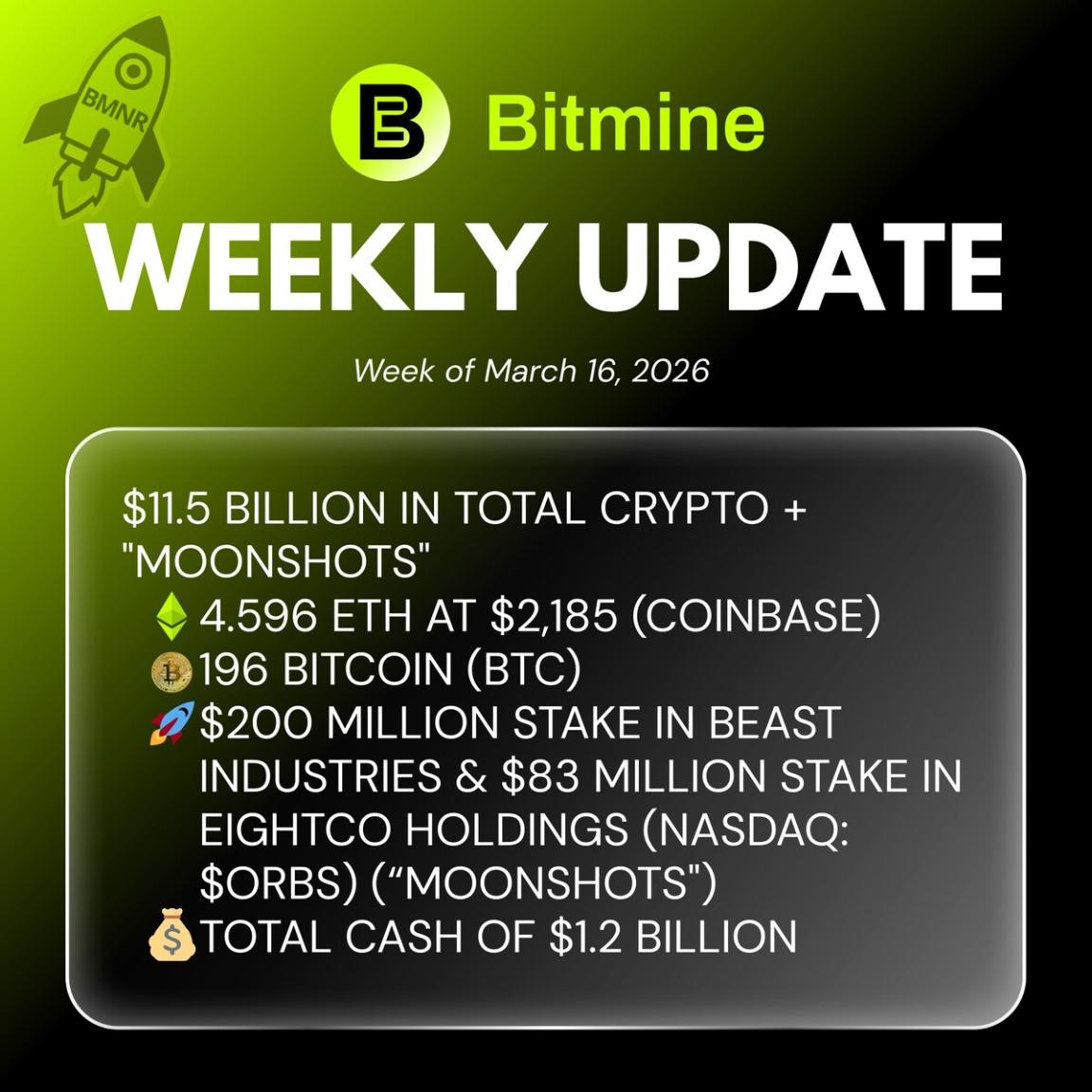
Bitmine Immersion Technologies (BMNR) Announces ETH Holdings Reach 4.596 Million Tokens, and Total Crypto and Total Cash Holdings of $11.5 Billion