China Enhances Virtual Currency Regulations Amid Rising Speculation
- People’s Bank of China strengthens crypto regulations due to rising speculation.
- 3,032 individuals prosecuted for money laundering in 2024.
- Hong Kong plans stablecoin licensing, diverging from mainland China policies.
Caixin reports a surge in virtual currency hype in China, emphasizing stricter regulations and technical monitoring to curb money laundering through virtual currencies, affecting socioeconomic youth particularly.
Enhanced regulations aim to mitigate financial crimes, safeguarding the economy amid evolving virtual currency dynamics, impacting market activities and provoking strategic financial shifts.
China’s Crypto Crackdown Intensifies Amid Rising Speculation
The People’s Bank of China has intensified its regulatory efforts to combat virtual currency speculation. Prosecutions for money laundering involving cryptocurrencies reached 3,032 individuals in 2024, revealing significant regional concentrations. Enhancing monitoring and coordination among regulatory bodies are central to these efforts.
China’s regulatory approach restricts all virtual currency-related financial activities, with a specific focus on stablecoins used for cross-border finance. Hong Kong diverges by planning a stablecoin licensing regime, further emphasizing full identity verification to limit access.
Key figures, including Changpeng Zhao of Binance and Vitalik Buterin of Ethereum, have commented on China’s strict restrictions, highlighting limitations on innovation and the importance of regulated systems. Industry responses reflect ongoing caution around compliance with these regulations.
Bitcoin Market Impact Under China’s Tightened Regulations
Did you know? In 2024, China’s crackdown led to 3,032 prosecutions for crypto-related money laundering, illustrating the profound impact of enhanced monitoring and regulatory enforcement in the region.
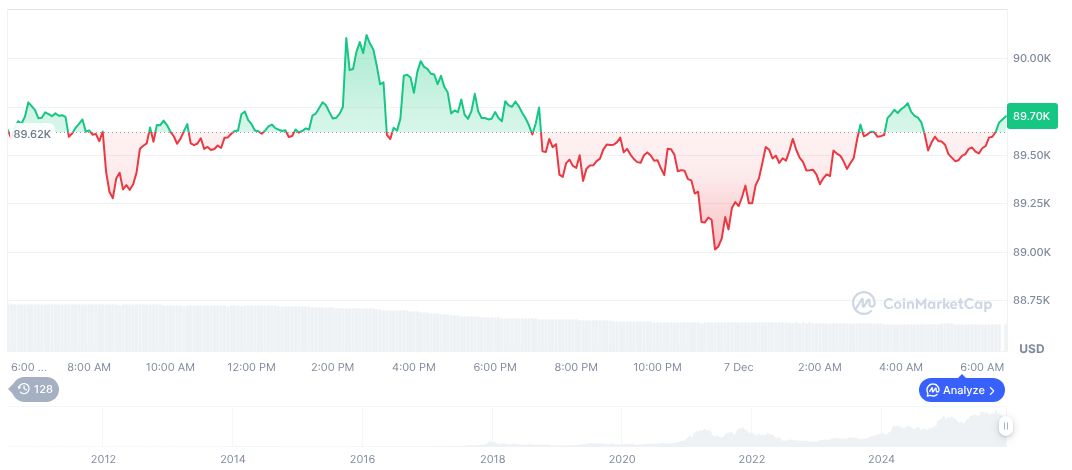
As of December 7, 2025, Bitcoin (BTC) holds a market cap of 1,782,300,753,063.34, dominating 58.57% of the market. Recently, BTC saw a 30-day price decrease of 10.46%, reflecting heightened regulation. Data source: CoinMarketCap.
Expert analysis from Coincu suggests that China’s firm regulatory stance and emphasis on monitoring continue to limit decentralized finance activities. These restrictions push technology adaptation offshore, while the controlled rollout of the digital yuan offers a state-controlled alternative to cryptocurrencies.
| DISCLAIMER: The information on this website is provided as general market commentary and does not constitute investment advice. We encourage you to do your own research before investing. |

No tags available.


Other Posts









- Amplify 2024: Ohio’s Premier Blockchain Summit
- Polymarket Announces U.S. Beta Relaunch Amid Market Buzz
- China, US Conclude Trade Talks with Focus on Cooperation
- Crypto Weekly: NYSE Backs OKX, Kraken Gets Fed Access, BTC Sells
- Michael Saylor Denies Bitcoin Sell-Off Amid Large BTC Transfer
- Court Upholds Fed’s Rejection of Custodia Bank’s Request
- EU Opens Antitrust Probe Into Deutsche Boerse and Nasdaq Derivatives Dealings
- Kazakhstan Explores Crypto Reserves Backed by National Funds
- Nordea Bank Introduces Bitcoin ETP Trading for Nordic Customers
- JPMorgan Increases Holdings in BlackRock’s Bitcoin ETF
- XRP Spot ETF Launches on Nasdaq Amid Market Fluctuations
- JPMorgan Chase Launches 24/7 Digital Deposit Token for Clients
- Crypto Leaders Address Macro Volatility Amid Market Shifts
- Former CFO Convicted for $35M Fraudulent Crypto Investment
- Peter Schiff Challenges Michael Saylor on MSTR’s Business Model
- Thailand Orders Worldcoin to Delete 1.2 Million Biometric Records
- U.S. Treasury Proposes New Tax Relief Regulations
- Uniswap’s UNIfication Proposal Gains Massive Preliminary Support
- WLFI Under Fire: Analyst Warns Hyperliquid Could Be Next
- SEC Scrutiny on ALT5 Sigma’s Leadership Disclosure Timing
- Amplify 2024: Ohio’s Premier Blockchain Summit
- Polymarket Announces U.S. Beta Relaunch Amid Market Buzz
- China, US Conclude Trade Talks with Focus on Cooperation
- Crypto Weekly: NYSE Backs OKX, Kraken Gets Fed Access, BTC Sells
- Michael Saylor Denies Bitcoin Sell-Off Amid Large BTC Transfer
- Court Upholds Fed’s Rejection of Custodia Bank’s Request
- EU Opens Antitrust Probe Into Deutsche Boerse and Nasdaq Derivatives Dealings
- Kazakhstan Explores Crypto Reserves Backed by National Funds
- Nordea Bank Introduces Bitcoin ETP Trading for Nordic Customers
- JPMorgan Increases Holdings in BlackRock’s Bitcoin ETF
- XRP Spot ETF Launches on Nasdaq Amid Market Fluctuations
- JPMorgan Chase Launches 24/7 Digital Deposit Token for Clients
- Crypto Leaders Address Macro Volatility Amid Market Shifts
- Former CFO Convicted for $35M Fraudulent Crypto Investment
- Peter Schiff Challenges Michael Saylor on MSTR’s Business Model
- Thailand Orders Worldcoin to Delete 1.2 Million Biometric Records
- U.S. Treasury Proposes New Tax Relief Regulations
- Uniswap’s UNIfication Proposal Gains Massive Preliminary Support
- WLFI Under Fire: Analyst Warns Hyperliquid Could Be Next
- SEC Scrutiny on ALT5 Sigma’s Leadership Disclosure Timing
- Amplify 2024: Ohio’s Premier Blockchain Summit
- Polymarket Announces U.S. Beta Relaunch Amid Market Buzz
- China, US Conclude Trade Talks with Focus on Cooperation
- Crypto Weekly: NYSE Backs OKX, Kraken Gets Fed Access, BTC Sells
- Michael Saylor Denies Bitcoin Sell-Off Amid Large BTC Transfer
- Court Upholds Fed’s Rejection of Custodia Bank’s Request
- EU Opens Antitrust Probe Into Deutsche Boerse and Nasdaq Derivatives Dealings
- Kazakhstan Explores Crypto Reserves Backed by National Funds
- Nordea Bank Introduces Bitcoin ETP Trading for Nordic Customers
- JPMorgan Increases Holdings in BlackRock’s Bitcoin ETF
- XRP Spot ETF Launches on Nasdaq Amid Market Fluctuations
- JPMorgan Chase Launches 24/7 Digital Deposit Token for Clients
- Crypto Leaders Address Macro Volatility Amid Market Shifts
- Former CFO Convicted for $35M Fraudulent Crypto Investment
- Peter Schiff Challenges Michael Saylor on MSTR’s Business Model
- Thailand Orders Worldcoin to Delete 1.2 Million Biometric Records
- U.S. Treasury Proposes New Tax Relief Regulations
- Uniswap’s UNIfication Proposal Gains Massive Preliminary Support
- WLFI Under Fire: Analyst Warns Hyperliquid Could Be Next
- SEC Scrutiny on ALT5 Sigma’s Leadership Disclosure Timing
Latest

Strategy Adds 1,031 BTC; Katana Acquires IDEX; NYSE Removes Crypto ETF Options Caps

BlackRock CEO: Tokenization Could Make Mobile Investing as Easy as Sending a Payment

Polymarket Expands Taker Fees to 8 New Market Categories Starting March 30, 2026








Press Release

Bitmine Immersion Technologies (BMNR) Announces ETH Holdings Reach 4.661 Million Tokens, and Total Crypto and Total Cash Holdings of $11.0 Billion

Zoomex Outlines AI-Ready Liquidity and Execution Framework as Automated Trading Expands