








What injecting soul means: Claude Constitution shaping OpenClaw soul.md
“Injecting soul” describes formalizing an AI’s values, tone, and behavioral boundaries through a written constitution and deployment conventions. It is not a claim of consciousness; it is a reproducible design artifact.
In the OpenClaw case, the soul.md file functions as that artifact. As reported by KuCoin News, founder Peter Steinberger said the soul.md was generated by Claude and refined iteratively to mirror Claude’s personality and deliver a more conversational agent experience.
This approach codifies priorities and communication style so downstream agents behave more predictably across tools and contexts. It aims to improve safety, user comprehension, and cross-skill consistency without overstating anthropomorphic traits.
Why Claude-shaped personality matters for AI safety and consistency
A documented personality can lower ambiguity in high-stakes interactions by standardizing refusals, clarifying rationale, and reducing drift between similar prompts. That consistency helps teams audit agent outputs against stated principles.
Safety goals are commonly summarized in a concise value cluster. “Helpful, honest, and harmless,” said Amanda Askell, Head of Personality Alignment at Anthropic, describing the top-line values embedded in Claude’s constitution.
Rigorous consistency is not guaranteed. according to arXiv, personality expression in large language models can vary with prompt wording and context, so teams should test across scenarios and use psychometric methods when claims of measurability are made.
Immediate impact on OpenClaw agents, users, and deployment practices
For OpenClaw, a constitution-like soul.md can align skills, extensions, and workflows around common refusal criteria and tone. That may streamline agent onboarding and reduce supervision load while clarifying expectations for users.
Designers also caution against over-humanizing. As reported by Ars Technica, what appears as personality may be a performance rather than a self, which supports explicit disclosure that agents are artificial and helps calibrate user trust.
At the time of this writing, based on data from Yahoo Finance, Amazon.com, Inc. (AMZN) traded at 208.78, up 1.71%. This market context is descriptive only and unrelated to OpenClaw’s technical posture.
Implementation steps and ethical guardrails for personality alignment
Cross-agent rollout: use constitutions, iterative refinement, and value transparency
Start with a written constitution that encodes values, refusals, and tone, then generate or refine agent personas through model-assisted drafts and human review. According to Communications of the ACM, effective persona design emphasizes appropriateness, consistency, and safety across contexts.
Instrument transparency by documenting what the agent will not do and why, and by logging alignment rationales during evaluations. Use red-teaming to identify divergences and iteratively update the constitution and test suite.
Ethics: disclose AI identity, avoid over-anthropomorphism, prioritize harm prevention
Disclose the system’s AI identity and avoid implying emotions or consciousness. As reported by Time, Claude’s stewards stress explaining not just behavior but the reasons behind it to promote transparency as models grow more capable.
Prioritize harm prevention over engagement, and clearly communicate refusal reasons when applicable. Keep claims proportional to evidence and align deployment practices with applicable safety and compliance expectations.
FAQ about Claude Constitution
How was OpenClaw’s soul.md created, and in what ways was it ‘shaped by Claude’?
It was generated by Claude and iteratively refined to reflect Claude’s tone and priorities for OpenClaw’s agents.
Is ‘injecting soul’ into AI just prompt engineering, or does it produce a consistent, measurable personality?
It formalizes values and style beyond a single prompt, but measured consistency can vary by context, according to published research.
| DISCLAIMER: The information on this website is provided as general market commentary and does not constitute investment advice. We encourage you to do your own research before investing. |


Other Posts









- Amplify 2024: Ohio’s Premier Blockchain Summit
- Polymarket Announces U.S. Beta Relaunch Amid Market Buzz
- China, US Conclude Trade Talks with Focus on Cooperation
- Crypto Weekly: NYSE Backs OKX, Kraken Gets Fed Access, BTC Sells
- CELO holds as Celo reviews Opera 160M token claim
- DeriW Launches Edge Hour Trading Competition Platform for Derivatives Traders
- Michael Saylor Denies Bitcoin Sell-Off Amid Large BTC Transfer
- Court Upholds Fed’s Rejection of Custodia Bank’s Request
- EU Opens Antitrust Probe Into Deutsche Boerse and Nasdaq Derivatives Dealings
- Kazakhstan Explores Crypto Reserves Backed by National Funds
- JPMorgan Increases Holdings in BlackRock’s Bitcoin ETF
- Nordea Bank Introduces Bitcoin ETP Trading for Nordic Customers
- XRP Spot ETF Launches on Nasdaq Amid Market Fluctuations
- JPMorgan Chase Launches 24/7 Digital Deposit Token for Clients
- Crypto Leaders Address Macro Volatility Amid Market Shifts
- Former CFO Convicted for $35M Fraudulent Crypto Investment
- Peter Schiff Challenges Michael Saylor on MSTR’s Business Model
- Thailand Orders Worldcoin to Delete 1.2 Million Biometric Records
- UK Proposes New DeFi Tax Framework to Ease User Burden
- U.S. Treasury Proposes New Tax Relief Regulations
- Amplify 2024: Ohio’s Premier Blockchain Summit
- Polymarket Announces U.S. Beta Relaunch Amid Market Buzz
- China, US Conclude Trade Talks with Focus on Cooperation
- Crypto Weekly: NYSE Backs OKX, Kraken Gets Fed Access, BTC Sells
- CELO holds as Celo reviews Opera 160M token claim
- DeriW Launches Edge Hour Trading Competition Platform for Derivatives Traders
- Michael Saylor Denies Bitcoin Sell-Off Amid Large BTC Transfer
- Court Upholds Fed’s Rejection of Custodia Bank’s Request
- EU Opens Antitrust Probe Into Deutsche Boerse and Nasdaq Derivatives Dealings
- Kazakhstan Explores Crypto Reserves Backed by National Funds
- JPMorgan Increases Holdings in BlackRock’s Bitcoin ETF
- Nordea Bank Introduces Bitcoin ETP Trading for Nordic Customers
- XRP Spot ETF Launches on Nasdaq Amid Market Fluctuations
- JPMorgan Chase Launches 24/7 Digital Deposit Token for Clients
- Crypto Leaders Address Macro Volatility Amid Market Shifts
- Former CFO Convicted for $35M Fraudulent Crypto Investment
- Peter Schiff Challenges Michael Saylor on MSTR’s Business Model
- Thailand Orders Worldcoin to Delete 1.2 Million Biometric Records
- UK Proposes New DeFi Tax Framework to Ease User Burden
- U.S. Treasury Proposes New Tax Relief Regulations
- Amplify 2024: Ohio’s Premier Blockchain Summit
- Polymarket Announces U.S. Beta Relaunch Amid Market Buzz
- China, US Conclude Trade Talks with Focus on Cooperation
- Crypto Weekly: NYSE Backs OKX, Kraken Gets Fed Access, BTC Sells
- CELO holds as Celo reviews Opera 160M token claim
- DeriW Launches Edge Hour Trading Competition Platform for Derivatives Traders
- Michael Saylor Denies Bitcoin Sell-Off Amid Large BTC Transfer
- Court Upholds Fed’s Rejection of Custodia Bank’s Request
- EU Opens Antitrust Probe Into Deutsche Boerse and Nasdaq Derivatives Dealings
- Kazakhstan Explores Crypto Reserves Backed by National Funds
- JPMorgan Increases Holdings in BlackRock’s Bitcoin ETF
- Nordea Bank Introduces Bitcoin ETP Trading for Nordic Customers
- XRP Spot ETF Launches on Nasdaq Amid Market Fluctuations
- JPMorgan Chase Launches 24/7 Digital Deposit Token for Clients
- Crypto Leaders Address Macro Volatility Amid Market Shifts
- Former CFO Convicted for $35M Fraudulent Crypto Investment
- Peter Schiff Challenges Michael Saylor on MSTR’s Business Model
- Thailand Orders Worldcoin to Delete 1.2 Million Biometric Records
- UK Proposes New DeFi Tax Framework to Ease User Burden
- U.S. Treasury Proposes New Tax Relief Regulations
Latest

Bitcoin at $72,000 as CEX and DEX Funding Rates Signal Deeper Bearish Bias


Circle Launches CPN Escrow Service for Institutional Stablecoin Payments
Press Release
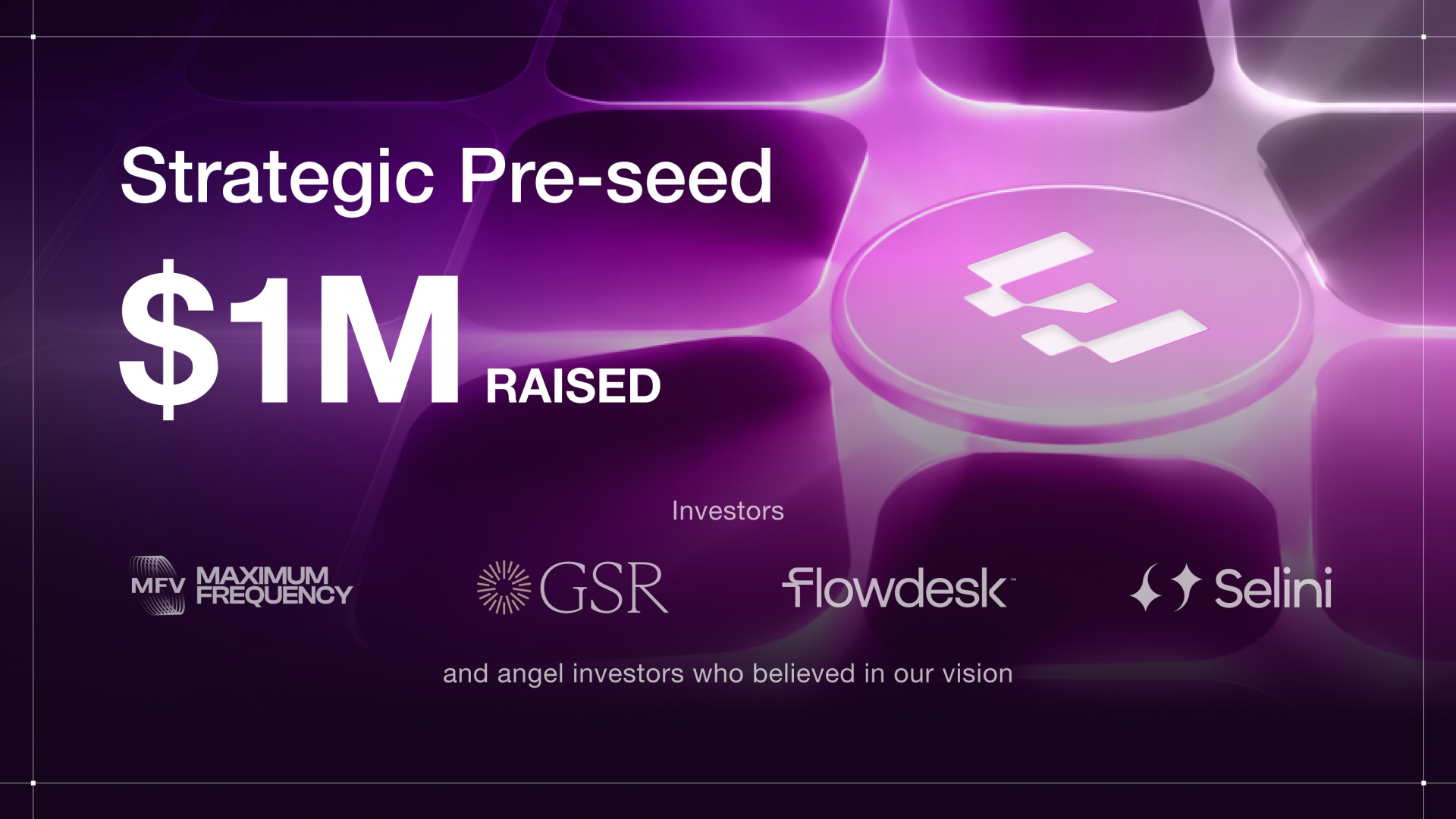
Enhanced Secures $1M in Strategic Pre-Seed Funding to Bring Structured Yield to More Assets Onchain

Phemex TradFi Crude Oil Trading Surges 300% as Ceasefire Volatility Sparks Record Demand
