What changed: Victory Securities suspends crypto trading for Mainland China IP-flagged users
hong kong-based victory securities has suspended cryptocurrency trading functionality for users linked to Mainland China. The restriction targets accounts flagged by Mainland China IP addresses and users identified with mainland Chinese identities.
The controls rely on geolocation signals to determine access and can include Hong Kong clients who log in via a Mainland China IP. The suspension is framed around virtual asset trading functions, with further operational specifics set out on a defined timeline.
Why it matters: SFC virtual asset licensing and user restrictions
Under Hong Kong’s Securities and Futures Commission (SFC) virtual asset trading platform regime, licensed operators are expected not to serve mainland Chinese users, a stance many firms operationalize through IP-based geoblocking, as reported by South China Morning post. The objective is investor protection and regulatory perimeter clarity, though implementation approaches vary by platform.
Industry views are mixed on how far these guardrails should go. “The licensing regime is overly harsh,” said Duncan Chiu, a Legislative Council Member, reflecting concerns that stringent user restrictions may weigh on market development.
Immediate impact: Dec 19 no-buy; Jan 2 deposits halted; withdrawals allowed
According to MEXC News, Victory Securities introduced a no-buy restriction on December 19 for virtual asset accounts detected with Mainland China IPs, a scope that includes Hong Kong users accessing via such IP addresses. This means impacted accounts can no longer initiate new crypto purchases from that date.
As reported by SuperEx News, effective January 2, new wallet address verifications and deposits are halted for those accounts, while withdrawals and existing holdings remain available. Operationally, this preserves exit and custody continuity even as inbound flows and new wallet onboarding pause.
Comparison with HashKey and Hong Kong VATP user restrictions
Geoblocking by IP versus KYC-residency screening
Geoblocking by IP is a real-time, session-level control that restricts access based on a user’s current network location. KYC-residency screening relies on verified identity documents and addresses to determine eligibility irrespective of session IP.
Victory’s measures emphasize IP detection for enforcement, which can capture traveling or cross-border users who connect through Mainland China networks. KYC-based residency checks address client domicile, but may not detect on-the-fly location changes without complementary geolocation controls.
Implications for investor access, compliance, and platform competitiveness
Stricter geoblocking can reduce inadvertent regulatory exposure but narrows cross-border accessibility, particularly for itinerant users. KYC-residency screening targets eligibility at onboarding, while IP controls police ongoing access, together forming layered compliance.
Licensed exchanges, including HashKey, have voiced concerns that such constraints limit addressable markets and competitiveness, as reported by the Financial Times. The trade-off is clearer compliance posture versus a smaller potential user base.
At the time of this writing, Bitcoin traded around $69,597; figures are included for market context only.
FAQ about Victory Securities crypto trading suspension
Who is affected, mainland Chinese residents, Hong Kong clients using a mainland IP, or accounts verified with mainland identity documents?
Affected users include Mainland China IP-flagged accounts and users with mainland Chinese identities; Hong Kong users on mainland IPs are included. Treatment of mainland KYC documents is not specified.
Can impacted users still withdraw or hold existing assets, and what happens to deposits and wallet address verifications?
Yes, withdrawals remain available and existing holdings unaffected. From Jan 2, deposits and new wallet address verifications for affected accounts are halted.
| DISCLAIMER: The information on this website is provided as general market commentary and does not constitute investment advice. We encourage you to do your own research before investing. |


Other Posts









- Amplify 2024: Ohio’s Premier Blockchain Summit
- Polymarket Announces U.S. Beta Relaunch Amid Market Buzz
- China, US Conclude Trade Talks with Focus on Cooperation
- Crypto Weekly: NYSE Backs OKX, Kraken Gets Fed Access, BTC Sells
- CELO holds as Celo reviews Opera 160M token claim
- DeriW Launches Edge Hour Trading Competition Platform for Derivatives Traders
- Michael Saylor Denies Bitcoin Sell-Off Amid Large BTC Transfer
- Court Upholds Fed’s Rejection of Custodia Bank’s Request
- EU Opens Antitrust Probe Into Deutsche Boerse and Nasdaq Derivatives Dealings
- Kazakhstan Explores Crypto Reserves Backed by National Funds
- JPMorgan Increases Holdings in BlackRock’s Bitcoin ETF
- Nordea Bank Introduces Bitcoin ETP Trading for Nordic Customers
- XRP Spot ETF Launches on Nasdaq Amid Market Fluctuations
- JPMorgan Chase Launches 24/7 Digital Deposit Token for Clients
- Crypto Leaders Address Macro Volatility Amid Market Shifts
- Former CFO Convicted for $35M Fraudulent Crypto Investment
- Peter Schiff Challenges Michael Saylor on MSTR’s Business Model
- Thailand Orders Worldcoin to Delete 1.2 Million Biometric Records
- UK Proposes New DeFi Tax Framework to Ease User Burden
- U.S. Treasury Proposes New Tax Relief Regulations
- Amplify 2024: Ohio’s Premier Blockchain Summit
- Polymarket Announces U.S. Beta Relaunch Amid Market Buzz
- China, US Conclude Trade Talks with Focus on Cooperation
- Crypto Weekly: NYSE Backs OKX, Kraken Gets Fed Access, BTC Sells
- CELO holds as Celo reviews Opera 160M token claim
- DeriW Launches Edge Hour Trading Competition Platform for Derivatives Traders
- Michael Saylor Denies Bitcoin Sell-Off Amid Large BTC Transfer
- Court Upholds Fed’s Rejection of Custodia Bank’s Request
- EU Opens Antitrust Probe Into Deutsche Boerse and Nasdaq Derivatives Dealings
- Kazakhstan Explores Crypto Reserves Backed by National Funds
- JPMorgan Increases Holdings in BlackRock’s Bitcoin ETF
- Nordea Bank Introduces Bitcoin ETP Trading for Nordic Customers
- XRP Spot ETF Launches on Nasdaq Amid Market Fluctuations
- JPMorgan Chase Launches 24/7 Digital Deposit Token for Clients
- Crypto Leaders Address Macro Volatility Amid Market Shifts
- Former CFO Convicted for $35M Fraudulent Crypto Investment
- Peter Schiff Challenges Michael Saylor on MSTR’s Business Model
- Thailand Orders Worldcoin to Delete 1.2 Million Biometric Records
- UK Proposes New DeFi Tax Framework to Ease User Burden
- U.S. Treasury Proposes New Tax Relief Regulations
- Amplify 2024: Ohio’s Premier Blockchain Summit
- Polymarket Announces U.S. Beta Relaunch Amid Market Buzz
- China, US Conclude Trade Talks with Focus on Cooperation
- Crypto Weekly: NYSE Backs OKX, Kraken Gets Fed Access, BTC Sells
- CELO holds as Celo reviews Opera 160M token claim
- DeriW Launches Edge Hour Trading Competition Platform for Derivatives Traders
- Michael Saylor Denies Bitcoin Sell-Off Amid Large BTC Transfer
- Court Upholds Fed’s Rejection of Custodia Bank’s Request
- EU Opens Antitrust Probe Into Deutsche Boerse and Nasdaq Derivatives Dealings
- Kazakhstan Explores Crypto Reserves Backed by National Funds
- JPMorgan Increases Holdings in BlackRock’s Bitcoin ETF
- Nordea Bank Introduces Bitcoin ETP Trading for Nordic Customers
- XRP Spot ETF Launches on Nasdaq Amid Market Fluctuations
- JPMorgan Chase Launches 24/7 Digital Deposit Token for Clients
- Crypto Leaders Address Macro Volatility Amid Market Shifts
- Former CFO Convicted for $35M Fraudulent Crypto Investment
- Peter Schiff Challenges Michael Saylor on MSTR’s Business Model
- Thailand Orders Worldcoin to Delete 1.2 Million Biometric Records
- UK Proposes New DeFi Tax Framework to Ease User Burden
- U.S. Treasury Proposes New Tax Relief Regulations
Latest


ETH Break Above $2,324 Could Trigger $788M in Short Liquidations

Analyst Says Bitcoin and Ethereum Near Key Levels for Trend Reversal
Press Release

Polkadot’s $145M Legacy vs. DOGEBALL’s Future: These are the Best Cryptos to Buy Now
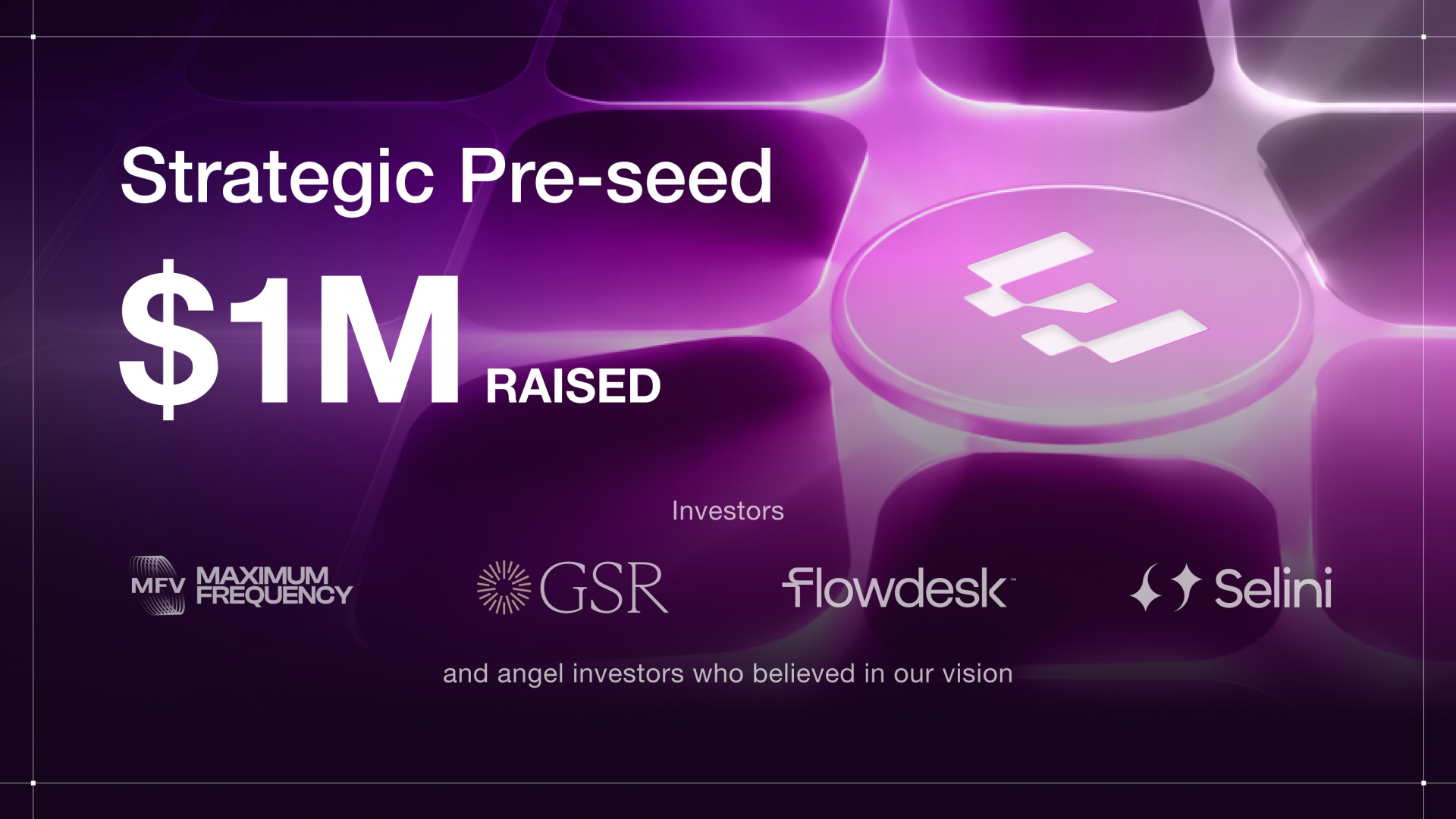
Enhanced Secures $1M in Strategic Pre-Seed Funding to Bring Structured Yield to More Assets Onchain