SEC-CFTC joint statement: most cryptocurrencies are not securities
According to the Securities and Exchange Commission crypto/”>and the Commodity Futures Trading Commission, staff issued a joint statement allowing registered venues to trade certain spot commodity crypto assets, clarifying non-security treatment for many tokens (sec.gov). The SEC-CFTC joint statement, together with Project Crypto token taxonomy work, signals that most cryptocurrencies are not securities and advances cross-agency alignment on the securities–commodities boundary.
According to Coingape, former chair Rostin Behnam has estimated that 70–80% of crypto assets are non-securities, and U.S. courts have recognized Bitcoin and Ethereum as commodities (coingape.com). That context helps explain the agencies’ commodity-centric direction for many network tokens.
As reported by The Block, Project Crypto’s four-part taxonomy distinguishes digital commodities, collectibles, and tools from tokenized securities, reserving traditional securities laws for the latter (theblock.co). That framework emphasizes function, decentralization, and the manner of offer over labels.
Why this matters for classification and market oversight
Clearer classification determines which regulator oversees trading, disclosures, and market surveillance. According to WilmerHale, formal rulemaking and harmonization initiatives are supplanting case-by-case actions, aiming to reduce uncertainty while preserving investor protections (wilmerhale.com).
The Howey test still governs investment-contract analysis, but offer context now weighs heavily. Promises made to purchasers, ongoing managerial control, and reliance on others’ efforts are central to whether a tokenized arrangement is a security.
Regulators also describe paths for assets that begin life within an investment contract yet later operate as decentralized network tokens. “Investment contracts can expire,” said Paul S. Atkins in a 2025 policy speech.
Immediate impacts for exchanges, token issuers, and investors
Exchanges may list more spot commodity crypto assets on registered venues aligned with each agency’s remit. Listing reviews will likely formalize commodity-versus-securities screenings and enhance surveillance for any tokenized securities.
Token issuers will need to document how offers are structured, what representations are made, and whether managerial efforts persist. If rights terminate and control dissipates, the original contract may cease without converting the token into a perpetual security.
Investors should expect clearer labels, digital commodity versus tokenized security, and more consistent disclosures for the latter. Court-tested assets such as Bitcoin and Ethereum remain commodities, but boundary cases will hinge on facts and offering conduct.
Howey test and transition scenarios explained
Plain-English Howey test factors for crypto assets
Courts look for an investment of money in a common enterprise, with a reasonable expectation of profit from others’ managerial efforts. If any element fails on the facts, the token may not be a security.
When an investment contract can cease and tokens transition
If initial promises are fulfilled or terminated, managerial control recedes, and network use predominates over profit expectations, the investment contract can end. The token’s status then depends on current, not historical, facts.
FAQ about Project Crypto token taxonomy
How does Project Crypto’s token taxonomy classify my token (digital commodity, collectible, tool, or tokenized security)?
It maps function and offering context. Network tokens, collectibles, and tools generally fall outside securities law; tokenized securities remain within it. Documentation and ongoing control are decisive.
How is the Howey test applied to crypto assets in 2026, and what factors matter most?
Examiners focus on promises, managerial efforts, and reliance. Decentralization, functional use, and termination of rights weigh against security status. Facts at the time of evaluation control.
| DISCLAIMER: The information on this website is provided as general market commentary and does not constitute investment advice. We encourage you to do your own research before investing. |


Other Posts









- Amplify 2024: Ohio’s Premier Blockchain Summit
- Polymarket Announces U.S. Beta Relaunch Amid Market Buzz
- China, US Conclude Trade Talks with Focus on Cooperation
- Crypto Weekly: NYSE Backs OKX, Kraken Gets Fed Access, BTC Sells
- CELO holds as Celo reviews Opera 160M token claim
- DeriW Launches Edge Hour Trading Competition Platform for Derivatives Traders
- Michael Saylor Denies Bitcoin Sell-Off Amid Large BTC Transfer
- Court Upholds Fed’s Rejection of Custodia Bank’s Request
- EU Opens Antitrust Probe Into Deutsche Boerse and Nasdaq Derivatives Dealings
- Kazakhstan Explores Crypto Reserves Backed by National Funds
- JPMorgan Increases Holdings in BlackRock’s Bitcoin ETF
- Nordea Bank Introduces Bitcoin ETP Trading for Nordic Customers
- XRP Spot ETF Launches on Nasdaq Amid Market Fluctuations
- JPMorgan Chase Launches 24/7 Digital Deposit Token for Clients
- Crypto Leaders Address Macro Volatility Amid Market Shifts
- Former CFO Convicted for $35M Fraudulent Crypto Investment
- Peter Schiff Challenges Michael Saylor on MSTR’s Business Model
- Thailand Orders Worldcoin to Delete 1.2 Million Biometric Records
- UK Proposes New DeFi Tax Framework to Ease User Burden
- U.S. Treasury Proposes New Tax Relief Regulations
- Amplify 2024: Ohio’s Premier Blockchain Summit
- Polymarket Announces U.S. Beta Relaunch Amid Market Buzz
- China, US Conclude Trade Talks with Focus on Cooperation
- Crypto Weekly: NYSE Backs OKX, Kraken Gets Fed Access, BTC Sells
- CELO holds as Celo reviews Opera 160M token claim
- DeriW Launches Edge Hour Trading Competition Platform for Derivatives Traders
- Michael Saylor Denies Bitcoin Sell-Off Amid Large BTC Transfer
- Court Upholds Fed’s Rejection of Custodia Bank’s Request
- EU Opens Antitrust Probe Into Deutsche Boerse and Nasdaq Derivatives Dealings
- Kazakhstan Explores Crypto Reserves Backed by National Funds
- JPMorgan Increases Holdings in BlackRock’s Bitcoin ETF
- Nordea Bank Introduces Bitcoin ETP Trading for Nordic Customers
- XRP Spot ETF Launches on Nasdaq Amid Market Fluctuations
- JPMorgan Chase Launches 24/7 Digital Deposit Token for Clients
- Crypto Leaders Address Macro Volatility Amid Market Shifts
- Former CFO Convicted for $35M Fraudulent Crypto Investment
- Peter Schiff Challenges Michael Saylor on MSTR’s Business Model
- Thailand Orders Worldcoin to Delete 1.2 Million Biometric Records
- UK Proposes New DeFi Tax Framework to Ease User Burden
- U.S. Treasury Proposes New Tax Relief Regulations
- Amplify 2024: Ohio’s Premier Blockchain Summit
- Polymarket Announces U.S. Beta Relaunch Amid Market Buzz
- China, US Conclude Trade Talks with Focus on Cooperation
- Crypto Weekly: NYSE Backs OKX, Kraken Gets Fed Access, BTC Sells
- CELO holds as Celo reviews Opera 160M token claim
- DeriW Launches Edge Hour Trading Competition Platform for Derivatives Traders
- Michael Saylor Denies Bitcoin Sell-Off Amid Large BTC Transfer
- Court Upholds Fed’s Rejection of Custodia Bank’s Request
- EU Opens Antitrust Probe Into Deutsche Boerse and Nasdaq Derivatives Dealings
- Kazakhstan Explores Crypto Reserves Backed by National Funds
- JPMorgan Increases Holdings in BlackRock’s Bitcoin ETF
- Nordea Bank Introduces Bitcoin ETP Trading for Nordic Customers
- XRP Spot ETF Launches on Nasdaq Amid Market Fluctuations
- JPMorgan Chase Launches 24/7 Digital Deposit Token for Clients
- Crypto Leaders Address Macro Volatility Amid Market Shifts
- Former CFO Convicted for $35M Fraudulent Crypto Investment
- Peter Schiff Challenges Michael Saylor on MSTR’s Business Model
- Thailand Orders Worldcoin to Delete 1.2 Million Biometric Records
- UK Proposes New DeFi Tax Framework to Ease User Burden
- U.S. Treasury Proposes New Tax Relief Regulations
Latest



BIT: Ethereum Call Option Selling Pressure Rises as Volatility Falls








Press Release
CoinRabbit Reduces Crypto Lending Rates for XRP Loans and 300+ Assets
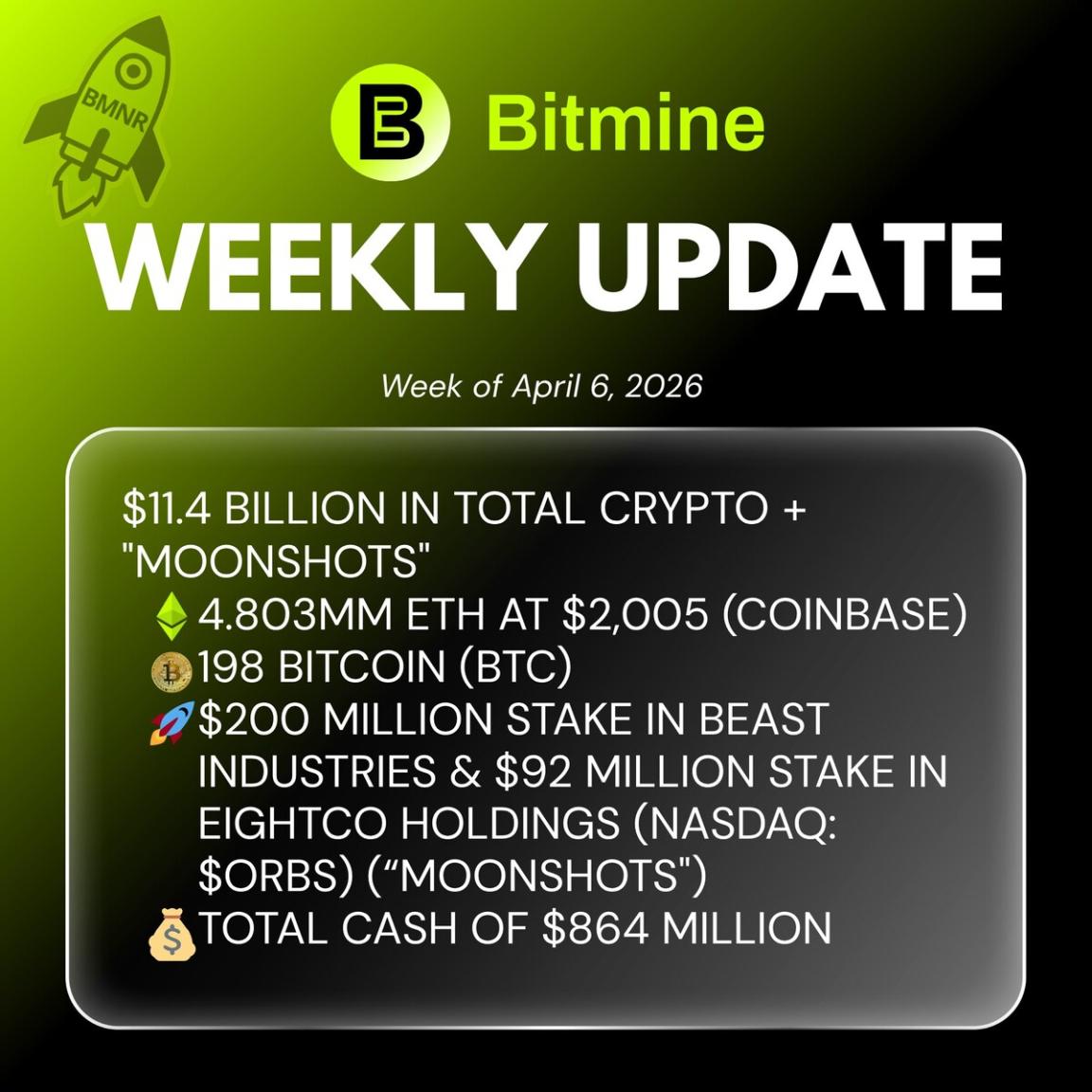
Bitmine Immersion Technologies (BMNR) Announces ETH Holdings Reach 4.803 Million Tokens, and Total Crypto and Total Cash Holdings of $11.4 Billion