Key Insights:
- Traders dumped crypto as Warsh’s nomination triggered fears of aggressive Fed policy tightening.
- Crypto markets fell harder than gold, showing their lower position in the liquidity sell-off chain.
- Structural limits may block major balance sheet cuts, despite Warsh’s known stance on tightening.
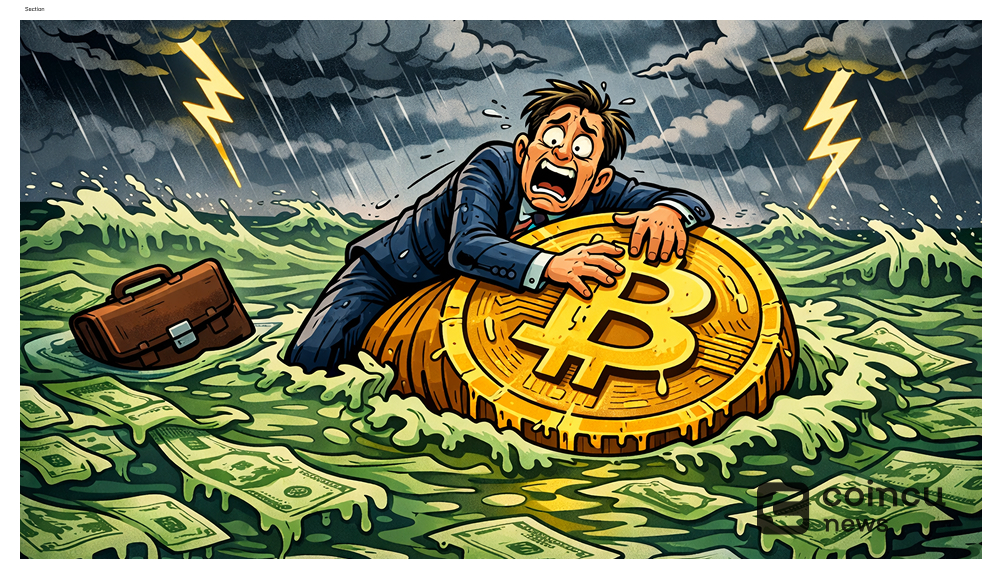
Bitcoin has fallen to its lowest point since late 2024, hitting $63,800 as of press time. The sharp decline came after the nomination of Kevin Warsh to lead the U.S. Federal Reserve. His past support for tighter monetary policy led to selling across risk assets, including cryptocurrencies.
The market moved quickly. Bitcoin broke through several key price levels. Other digital assets followed, with Ethereum also dropping below key support. Over the past 24 hours, crypto markets saw more than $1.3 billion in liquidations. Trading volumes spiked as investors rushed to reduce exposure.
Risk-Off Mood Drives Asset Repositioning
The sell-off in crypto came as traders scrambled for liquidity. Weak earnings from top tech companies and rising global tensions added to the stress. Once Warsh’s nomination was announced, traders sold off what they could, starting with the most liquid assets.
Gold prices also dropped at first but recovered soon after. Crypto did not. The continued slide in digital coins, even as gold bounced back, showed that crypto sat lower in the liquidity order. As investors raised cash, crypto was sold quickly and heavily.
Binance Research noted that this behavior matched patterns seen in past liquidity crunches. Investors offloaded digital assets to cover margin calls and reduce risk.
Technical Limits May Slow Fed Tightening
BingX offers exclusive rewards and top-tier security for new and high-volume crypto traders.
Binance analysts said fears of deep balance sheet cuts under Warsh may be too strong. While he has supported reducing the Fed’s bond holdings before, there may be limits to how much can actually be done.
One concern is that the Fed’s reverse repo facility is nearly drained. If the Fed keeps pulling liquidity, it could eat into bank reserves. That could push reserves under regulatory levels, which may trigger problems in short-term funding markets.
Another issue is the growing need for buyers of U.S. government debt. The Treasury is expected to issue close to $2 trillion a year. If the Fed cuts back as a buyer, others will have to step in. Without changes to banking rules, the system may not be able to handle the extra load.
Lawmakers reached a deal on February 3 to keep the U.S. government funded through September 2026. This removed a major concern that had been weighing on markets.
While the funding agreement brought some clarity, it was not enough to offset concerns around future Fed policy. Investors remain focused on inflation, interest rates, and the direction of central bank actions in the months ahead.
DISCLAIMER: The information on this website is provided as general market commentary and does not constitute investment advice. We encourage you to do your own research before investing.


Other Posts









- Amplify 2024: Ohio’s Premier Blockchain Summit
- Polymarket Announces U.S. Beta Relaunch Amid Market Buzz
- China, US Conclude Trade Talks with Focus on Cooperation
- Crypto Weekly: NYSE Backs OKX, Kraken Gets Fed Access, BTC Sells
- Michael Saylor Denies Bitcoin Sell-Off Amid Large BTC Transfer
- Court Upholds Fed’s Rejection of Custodia Bank’s Request
- EU Opens Antitrust Probe Into Deutsche Boerse and Nasdaq Derivatives Dealings
- Kazakhstan Explores Crypto Reserves Backed by National Funds
- Nordea Bank Introduces Bitcoin ETP Trading for Nordic Customers
- JPMorgan Increases Holdings in BlackRock’s Bitcoin ETF
- XRP Spot ETF Launches on Nasdaq Amid Market Fluctuations
- JPMorgan Chase Launches 24/7 Digital Deposit Token for Clients
- Crypto Leaders Address Macro Volatility Amid Market Shifts
- Former CFO Convicted for $35M Fraudulent Crypto Investment
- Peter Schiff Challenges Michael Saylor on MSTR’s Business Model
- U.S. Treasury Proposes New Tax Relief Regulations
- WLFI Under Fire: Analyst Warns Hyperliquid Could Be Next
- Japan to Reduce Cryptocurrency Tax to 20%
- Yala Injects $5.5 Million Amid Recovery Efforts
- HSBC to Offer Tokenized Deposits in US and UAE
- Amplify 2024: Ohio’s Premier Blockchain Summit
- Polymarket Announces U.S. Beta Relaunch Amid Market Buzz
- China, US Conclude Trade Talks with Focus on Cooperation
- Crypto Weekly: NYSE Backs OKX, Kraken Gets Fed Access, BTC Sells
- Michael Saylor Denies Bitcoin Sell-Off Amid Large BTC Transfer
- Court Upholds Fed’s Rejection of Custodia Bank’s Request
- EU Opens Antitrust Probe Into Deutsche Boerse and Nasdaq Derivatives Dealings
- Kazakhstan Explores Crypto Reserves Backed by National Funds
- Nordea Bank Introduces Bitcoin ETP Trading for Nordic Customers
- JPMorgan Increases Holdings in BlackRock’s Bitcoin ETF
- XRP Spot ETF Launches on Nasdaq Amid Market Fluctuations
- JPMorgan Chase Launches 24/7 Digital Deposit Token for Clients
- Crypto Leaders Address Macro Volatility Amid Market Shifts
- Former CFO Convicted for $35M Fraudulent Crypto Investment
- Peter Schiff Challenges Michael Saylor on MSTR’s Business Model
- U.S. Treasury Proposes New Tax Relief Regulations
- WLFI Under Fire: Analyst Warns Hyperliquid Could Be Next
- Japan to Reduce Cryptocurrency Tax to 20%
- Yala Injects $5.5 Million Amid Recovery Efforts
- HSBC to Offer Tokenized Deposits in US and UAE
- Amplify 2024: Ohio’s Premier Blockchain Summit
- Polymarket Announces U.S. Beta Relaunch Amid Market Buzz
- China, US Conclude Trade Talks with Focus on Cooperation
- Crypto Weekly: NYSE Backs OKX, Kraken Gets Fed Access, BTC Sells
- Michael Saylor Denies Bitcoin Sell-Off Amid Large BTC Transfer
- Court Upholds Fed’s Rejection of Custodia Bank’s Request
- EU Opens Antitrust Probe Into Deutsche Boerse and Nasdaq Derivatives Dealings
- Kazakhstan Explores Crypto Reserves Backed by National Funds
- Nordea Bank Introduces Bitcoin ETP Trading for Nordic Customers
- JPMorgan Increases Holdings in BlackRock’s Bitcoin ETF
- XRP Spot ETF Launches on Nasdaq Amid Market Fluctuations
- JPMorgan Chase Launches 24/7 Digital Deposit Token for Clients
- Crypto Leaders Address Macro Volatility Amid Market Shifts
- Former CFO Convicted for $35M Fraudulent Crypto Investment
- Peter Schiff Challenges Michael Saylor on MSTR’s Business Model
- U.S. Treasury Proposes New Tax Relief Regulations
- WLFI Under Fire: Analyst Warns Hyperliquid Could Be Next
- Japan to Reduce Cryptocurrency Tax to 20%
- Yala Injects $5.5 Million Amid Recovery Efforts
- HSBC to Offer Tokenized Deposits in US and UAE
Latest











Press Release

Tezos Developers and Creators Reunite at TezDev Cannes with 360° Immersive Zone and Keynote by Arthur Breitman

Playnance Launches GCoin MEXC Listing with 200,000 Holders and 2M Daily Transactions