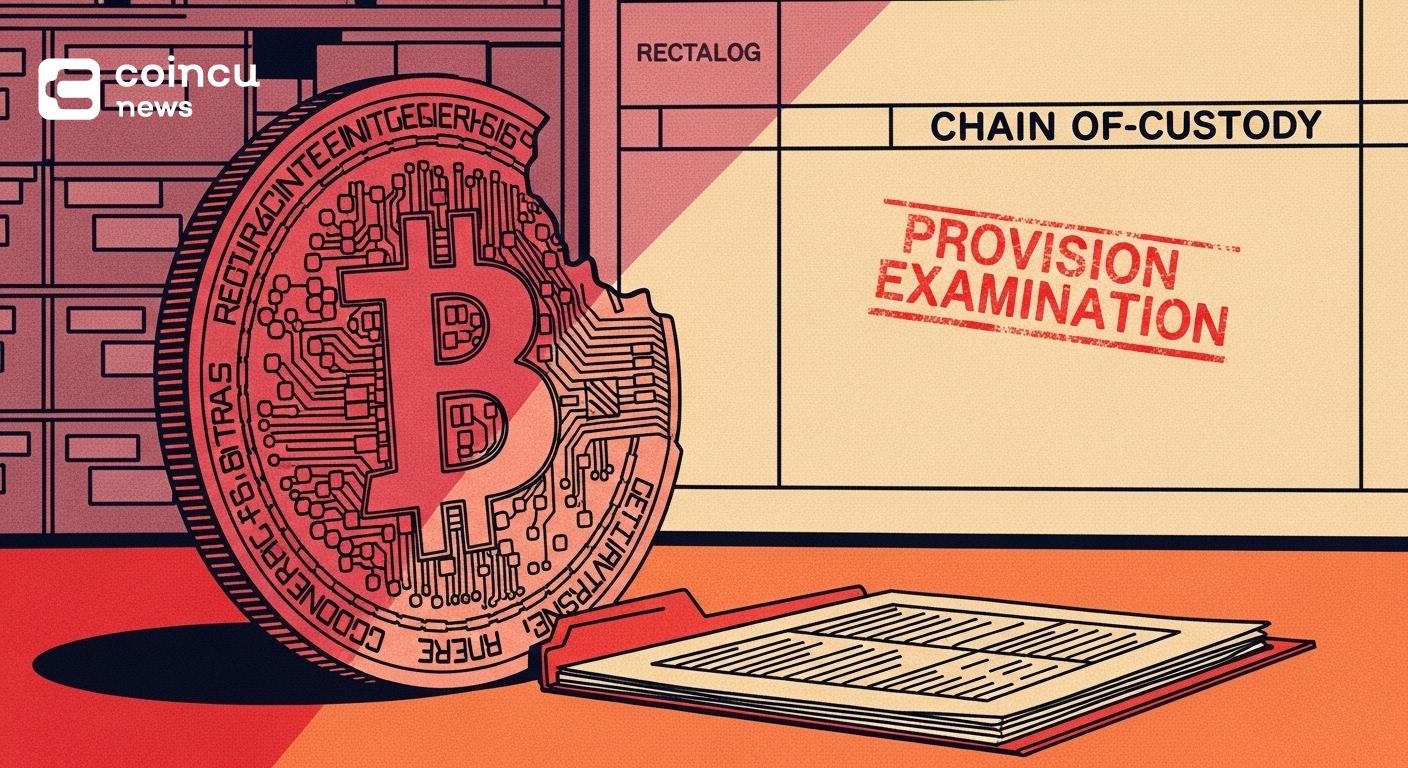
DOJ $580 million cryptocurrency seizure tied to pig-butchering scams
The Department of Justice’s Fraud Strike Force has frozen and seized approximately $580 million in cryptocurrency tied to “pig-butchering” investment schemes linked to Chinese transnational criminal networks, according to the U.S. Department of Justice. Authorities describe the action as part of an ongoing campaign to disrupt confidence fraud that relies on crypto rails and cross-border money movement.
The figure reflects combined freezes and seizures executed to preserve assets pending further legal action. Officials indicated the objective is to pursue forfeiture so that recovered funds can be returned to victims to the maximum extent permitted by law.
Why it matters: disrupting Chinese transnational criminal networks and aiding victims
The operation targets infrastructure used by organized networks that social‑engineer victims into sending funds to fraudulent platforms before laundering proceeds through digital assets. It also signals a victim-first posture by emphasizing potential restitution following forfeiture.
Public reporting frames the enforcement as part of a broader strike-force strategy against Southeast Asian crime networks and pig‑butchering fraud, as reported by Decrypt. Industry observers caution that the activity is large but far from the totality of crypto-enabled fraud; “This seizure is certainly operationally meaningful, but it’s only a fraction of the total activity we’re observing,” said Deddy Lavid, CEO of Cyvers.
Immediate impact: freezes, seizures, and the restitution pathway
In practice, authorities first seek to freeze assets to prevent dissipation. Seizure follows with legal process to take custody of the funds, and civil or criminal forfeiture later transfers title to the government. After forfeiture, remission or restoration programs may provide a pathway for eligible victims to receive compensation, subject to verification and available balances.
For victims, the near-term effect of a freeze or seizure is that funds are preserved while ownership claims are evaluated. Claim instructions generally arrive only after forfeiture orders are entered in court, and eligibility depends on case specifics and documentary evidence.
How funds were traced and which agencies were involved
On-chain tracing by federal law enforcement and analytics partners
Investigators used on-chain analysis to follow deposits from victim wallets through clustered addresses, exchanges, and cross-chain hops. Heuristics linking common ownership, transaction timing, and reuse patterns helped identify suspect flows consistent with large-scale scam operations.
Once illicit proceeds were located at service providers, legal requests enabled freezes to prevent further movement. Where assets were in self-hosted wallets, tracing supported seizure warrants that allowed recovery if keys or custodial control could be lawfully obtained.
Entities referenced: DOJ, FBI, and Cyvers (industry analysis)
The Justice Department led the action with investigative support from the Federal Bureau of Investigation, reflecting a multi-agency approach to crypto-enabled fraud. Cyvers provided independent industry analysis that contextualizes the scale and typologies of pig-butchering scams observed on public blockchains.
FAQ about $580 million cryptocurrency seizure
How can victims of pig-butchering scams get their money back and where do they file a claim?
Through the federal remission or restoration process after forfeiture. Victims submit claims when the Department announces case‑specific procedures, documentation requirements, and deadlines.
What is the difference between freezing, seizing, and forfeiting cryptocurrency under U.S. law?
Freezing preserves assets during investigation. Seizing takes legal custody via warrant or court process. Forfeiting transfers ownership to the government, enabling potential victim compensation through remission.
| DISCLAIMER: The information on this website is provided as general market commentary and does not constitute investment advice. We encourage you to do your own research before investing. |


Other Posts








- Amplify 2024: Ohio’s Premier Blockchain Summit
- Polymarket Announces U.S. Beta Relaunch Amid Market Buzz
- China, US Conclude Trade Talks with Focus on Cooperation
- Crypto Weekly: NYSE Backs OKX, Kraken Gets Fed Access, BTC Sells
- Michael Saylor Denies Bitcoin Sell-Off Amid Large BTC Transfer
- Court Upholds Fed’s Rejection of Custodia Bank’s Request
- EU Opens Antitrust Probe Into Deutsche Boerse and Nasdaq Derivatives Dealings
- Kazakhstan Explores Crypto Reserves Backed by National Funds
- Nordea Bank Introduces Bitcoin ETP Trading for Nordic Customers
- JPMorgan Increases Holdings in BlackRock’s Bitcoin ETF
- XRP Spot ETF Launches on Nasdaq Amid Market Fluctuations
- JPMorgan Chase Launches 24/7 Digital Deposit Token for Clients
- Crypto Leaders Address Macro Volatility Amid Market Shifts
- Former CFO Convicted for $35M Fraudulent Crypto Investment
- Peter Schiff Challenges Michael Saylor on MSTR’s Business Model
- U.S. Treasury Proposes New Tax Relief Regulations
- WLFI Under Fire: Analyst Warns Hyperliquid Could Be Next
- SEC Scrutiny on ALT5 Sigma’s Leadership Disclosure Timing
- Japan to Reduce Cryptocurrency Tax to 20%
- MoonPay Gains Trust License for Crypto Operations in New York
- Amplify 2024: Ohio’s Premier Blockchain Summit
- Polymarket Announces U.S. Beta Relaunch Amid Market Buzz
- China, US Conclude Trade Talks with Focus on Cooperation
- Crypto Weekly: NYSE Backs OKX, Kraken Gets Fed Access, BTC Sells
- Michael Saylor Denies Bitcoin Sell-Off Amid Large BTC Transfer
- Court Upholds Fed’s Rejection of Custodia Bank’s Request
- EU Opens Antitrust Probe Into Deutsche Boerse and Nasdaq Derivatives Dealings
- Kazakhstan Explores Crypto Reserves Backed by National Funds
- Nordea Bank Introduces Bitcoin ETP Trading for Nordic Customers
- JPMorgan Increases Holdings in BlackRock’s Bitcoin ETF
- XRP Spot ETF Launches on Nasdaq Amid Market Fluctuations
- JPMorgan Chase Launches 24/7 Digital Deposit Token for Clients
- Crypto Leaders Address Macro Volatility Amid Market Shifts
- Former CFO Convicted for $35M Fraudulent Crypto Investment
- Peter Schiff Challenges Michael Saylor on MSTR’s Business Model
- U.S. Treasury Proposes New Tax Relief Regulations
- WLFI Under Fire: Analyst Warns Hyperliquid Could Be Next
- SEC Scrutiny on ALT5 Sigma’s Leadership Disclosure Timing
- Japan to Reduce Cryptocurrency Tax to 20%
- MoonPay Gains Trust License for Crypto Operations in New York
- Amplify 2024: Ohio’s Premier Blockchain Summit
- Polymarket Announces U.S. Beta Relaunch Amid Market Buzz
- China, US Conclude Trade Talks with Focus on Cooperation
- Crypto Weekly: NYSE Backs OKX, Kraken Gets Fed Access, BTC Sells
- Michael Saylor Denies Bitcoin Sell-Off Amid Large BTC Transfer
- Court Upholds Fed’s Rejection of Custodia Bank’s Request
- EU Opens Antitrust Probe Into Deutsche Boerse and Nasdaq Derivatives Dealings
- Kazakhstan Explores Crypto Reserves Backed by National Funds
- Nordea Bank Introduces Bitcoin ETP Trading for Nordic Customers
- JPMorgan Increases Holdings in BlackRock’s Bitcoin ETF
- XRP Spot ETF Launches on Nasdaq Amid Market Fluctuations
- JPMorgan Chase Launches 24/7 Digital Deposit Token for Clients
- Crypto Leaders Address Macro Volatility Amid Market Shifts
- Former CFO Convicted for $35M Fraudulent Crypto Investment
- Peter Schiff Challenges Michael Saylor on MSTR’s Business Model
- U.S. Treasury Proposes New Tax Relief Regulations
- WLFI Under Fire: Analyst Warns Hyperliquid Could Be Next
- SEC Scrutiny on ALT5 Sigma’s Leadership Disclosure Timing
- Japan to Reduce Cryptocurrency Tax to 20%
- MoonPay Gains Trust License for Crypto Operations in New York
Latest











Press Release

MEXC Gold Futures Up 123%; Geopolitical Uncertainty Fuels Crypto-Metal Derivatives Surge

Zoomex Outlines AI-Ready Liquidity and Execution Framework as Automated Trading Expands