- Do Kwon could face another trial for TerraUSD fraud.
- U.S. court sentenced him to 15 years imprisonment.
- South Korea seeks over 30 years for capital market law violations.
Do Kwon, co-founder of Terraform Labs, was sentenced to 15 years by a U.S. court for orchestrating the TerraUSD collapse causing $40 billion in damages.
The sentencing underscores cryptocurrency risks and highlights potential severe legal outcomes for fraud, affecting market confidence and investor sentiment globally.
Do Kwon’s Legal Challenges in the U.S. and South Korea
Do Kwon, co-founder of Terraform Labs, was given a 15-year sentence by the U.S. federal court in Manhattan for his part in the collapse of TerraUSD. The collapse resulted in severe financial damage worldwide. South Korean prosecutors have indicated that they are pursuing further action against Kwon with potential legal proceedings in South Korea. The case centers around violations of capital market laws, and if extradited after serving part of his U.S. sentence, he could face a longer sentence in his home country due to the significant financial implications.
“The enormity of the fraud, as noted by Judge Paul Engelmayer, underscored its unprecedented damage in federal prosecution history.”
The financial collapse led to losses of approximately 300 billion won for South Korean investors, equivalent to $204 million. U.S. District Judge Paul Engelmayer remarked on the enormity of the fraud, highlighting its unprecedented damage in federal prosecution history. The aftermath prompted intensified scrutiny on stablecoins, highlighting vulnerabilities in cryptocurrency stability mechanisms. As part of the U.S. trial outcomes, Kwon admitted to orchestrating activities to defraud investors, which included influencing the market for Terraform Labs’ cryptocurrencies.
Amid the legal battles, market responses have been notable. Tokens associated with the Terra ecosystem, including LUNA Classic, experienced volatility as traders reacted to news of ongoing legal repercussions. Community members expressed concerns over potential regulatory impacts in South Korea, which might affect other digital asset frameworks. Government emphasis on legislative actions reflects the broader impact of Kwon’s case on the financial and regulatory landscape.
Market Reaction and Regulatory Ramifications
Did you know? In 2022, the TerraUSD and LUNA collapse wiped out $40 billion in value, marking one of the most significant events in stablecoin histories and prompting global regulatory scrutiny.
CoinMarketCap reports that Terra (LUNA) is currently priced at $0.15 with a market cap of $104.16 million and a 24-hour trading volume decrease of 18.06%. The circulating supply stands at 709,984,439 with an infinite max supply. The last day saw a 13.48% price decline, though the 7-day period experienced a 45% increase, and has risen 80.81% over the past month.
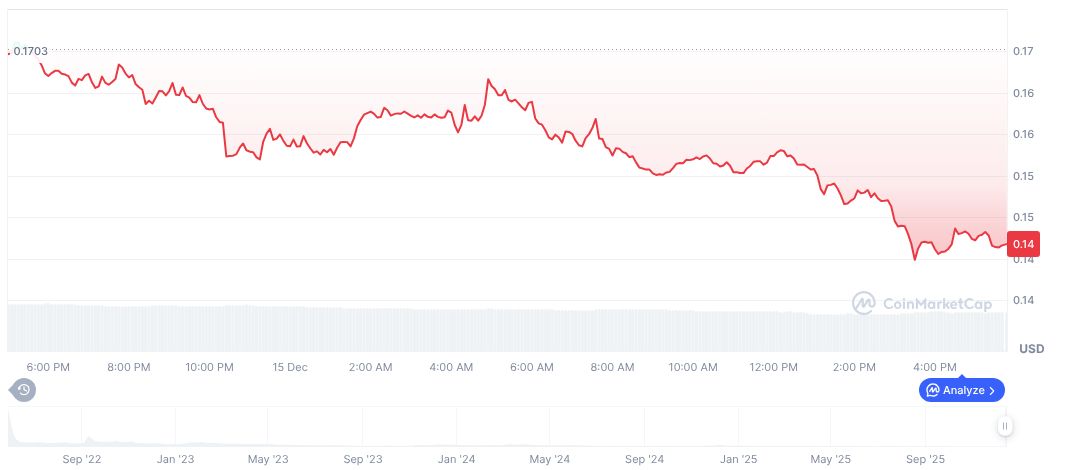
According to the Coincu research team, the TerraUSD-induced market disruptions have sparked broader regulatory interest, potentially leading to increased oversight on cryptocurrency projects. Given the volatility of algorithm-based stablecoins, financial markets might become more cautious about adopting similar technologies without comprehensive auditing mechanisms, suggesting potential shifts in innovation and regulation within the sector.
| DISCLAIMER: The information on this website is provided as general market commentary and does not constitute investment advice. We encourage you to do your own research before investing. |

No tags available.


Other Posts








- Amplify 2024: Ohio’s Premier Blockchain Summit
- Polymarket Announces U.S. Beta Relaunch Amid Market Buzz
- China, US Conclude Trade Talks with Focus on Cooperation
- Michael Saylor Denies Bitcoin Sell-Off Amid Large BTC Transfer
- Court Upholds Fed’s Rejection of Custodia Bank’s Request
- EU Opens Antitrust Probe Into Deutsche Boerse and Nasdaq Derivatives Dealings
- Kazakhstan Explores Crypto Reserves Backed by National Funds
- Nordea Bank Introduces Bitcoin ETP Trading for Nordic Customers
- JPMorgan Increases Holdings in BlackRock’s Bitcoin ETF
- XRP Spot ETF Launches on Nasdaq Amid Market Fluctuations
- Crypto Weekly: NYSE Backs OKX, Kraken Gets Fed Access, BTC Sells
- JPMorgan Chase Launches 24/7 Digital Deposit Token for Clients
- Crypto Leaders Address Macro Volatility Amid Market Shifts
- Former CFO Convicted for $35M Fraudulent Crypto Investment
- Peter Schiff Challenges Michael Saylor on MSTR’s Business Model
- U.S. Treasury Proposes New Tax Relief Regulations
- WLFI Under Fire: Analyst Warns Hyperliquid Could Be Next
- Japan to Reduce Cryptocurrency Tax to 20%
- Yala Injects $5.5 Million Amid Recovery Efforts
- HSBC to Offer Tokenized Deposits in US and UAE
- Amplify 2024: Ohio’s Premier Blockchain Summit
- Polymarket Announces U.S. Beta Relaunch Amid Market Buzz
- China, US Conclude Trade Talks with Focus on Cooperation
- Michael Saylor Denies Bitcoin Sell-Off Amid Large BTC Transfer
- Court Upholds Fed’s Rejection of Custodia Bank’s Request
- EU Opens Antitrust Probe Into Deutsche Boerse and Nasdaq Derivatives Dealings
- Kazakhstan Explores Crypto Reserves Backed by National Funds
- Nordea Bank Introduces Bitcoin ETP Trading for Nordic Customers
- JPMorgan Increases Holdings in BlackRock’s Bitcoin ETF
- XRP Spot ETF Launches on Nasdaq Amid Market Fluctuations
- Crypto Weekly: NYSE Backs OKX, Kraken Gets Fed Access, BTC Sells
- JPMorgan Chase Launches 24/7 Digital Deposit Token for Clients
- Crypto Leaders Address Macro Volatility Amid Market Shifts
- Former CFO Convicted for $35M Fraudulent Crypto Investment
- Peter Schiff Challenges Michael Saylor on MSTR’s Business Model
- U.S. Treasury Proposes New Tax Relief Regulations
- WLFI Under Fire: Analyst Warns Hyperliquid Could Be Next
- Japan to Reduce Cryptocurrency Tax to 20%
- Yala Injects $5.5 Million Amid Recovery Efforts
- HSBC to Offer Tokenized Deposits in US and UAE
- Amplify 2024: Ohio’s Premier Blockchain Summit
- Polymarket Announces U.S. Beta Relaunch Amid Market Buzz
- China, US Conclude Trade Talks with Focus on Cooperation
- Michael Saylor Denies Bitcoin Sell-Off Amid Large BTC Transfer
- Court Upholds Fed’s Rejection of Custodia Bank’s Request
- EU Opens Antitrust Probe Into Deutsche Boerse and Nasdaq Derivatives Dealings
- Kazakhstan Explores Crypto Reserves Backed by National Funds
- Nordea Bank Introduces Bitcoin ETP Trading for Nordic Customers
- JPMorgan Increases Holdings in BlackRock’s Bitcoin ETF
- XRP Spot ETF Launches on Nasdaq Amid Market Fluctuations
- Crypto Weekly: NYSE Backs OKX, Kraken Gets Fed Access, BTC Sells
- JPMorgan Chase Launches 24/7 Digital Deposit Token for Clients
- Crypto Leaders Address Macro Volatility Amid Market Shifts
- Former CFO Convicted for $35M Fraudulent Crypto Investment
- Peter Schiff Challenges Michael Saylor on MSTR’s Business Model
- U.S. Treasury Proposes New Tax Relief Regulations
- WLFI Under Fire: Analyst Warns Hyperliquid Could Be Next
- Japan to Reduce Cryptocurrency Tax to 20%
- Yala Injects $5.5 Million Amid Recovery Efforts
- HSBC to Offer Tokenized Deposits in US and UAE
Latest











Press Release
Aster Chain Launch: Defining a New Era for Onchain Privacy and Transparency
Bybit Launches AI Skills: Powering AI Agents for Crypto Trading With Zero Setup, 253 API Endpoints and Growing