




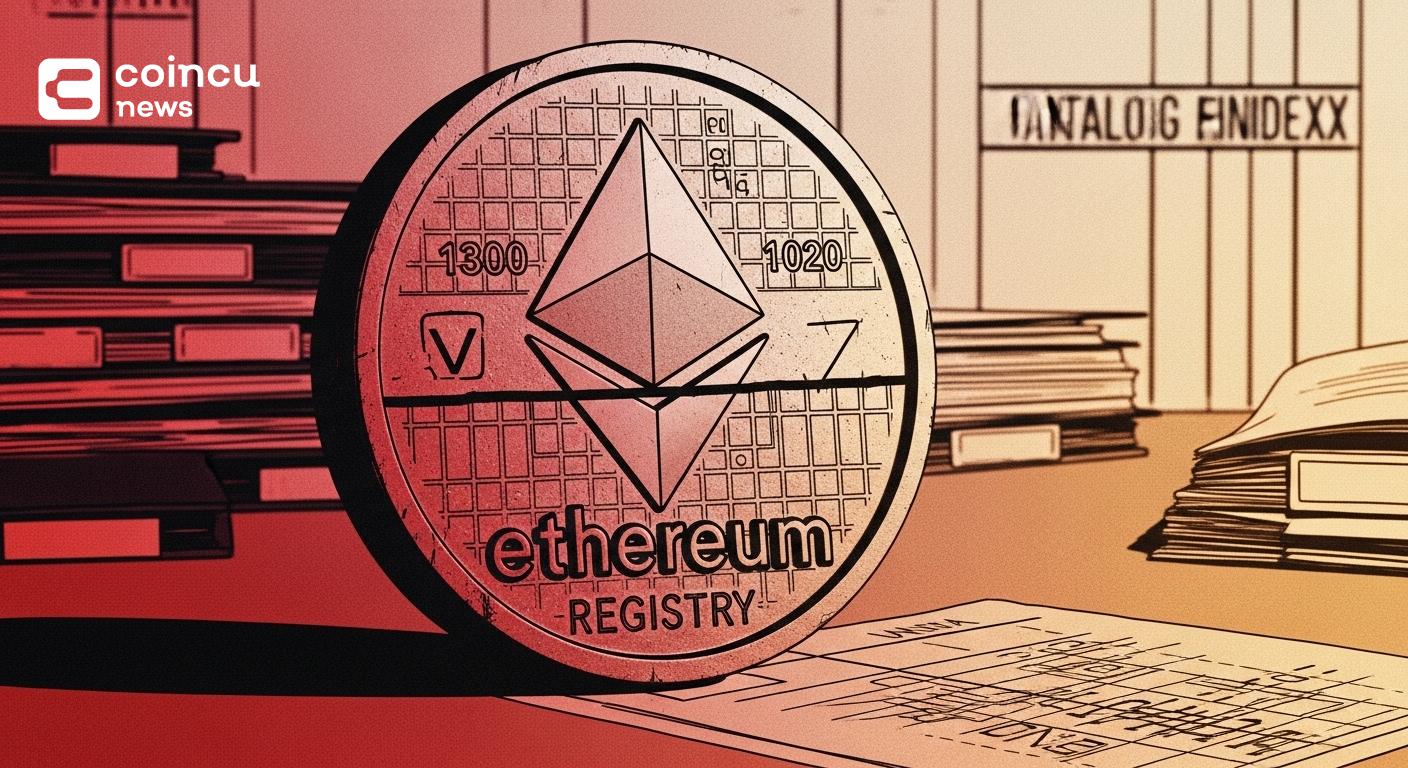
Vitalik proposes personal LLM proxies to solve DAO attention
Ethereum co-founder vitalik buterin has advanced a “leverageable personal LLM” concept to tackle the attention bottleneck in decentralized governance. according to Bitget News, he frames human attention limits as a core constraint on DAO effectiveness (https://www.bitget.com/amp/news/detail/12560605212021).
Under the proposal, each participant could run a personal AI agent that learns stated preferences and policy rules, then helps evaluate proposals and draft votes. This differs from classic delegation by preserving individualized intent while reducing cognitive load across many simultaneous governance streams.
The model anticipates human-in-the-loop controls, including configurable thresholds for when an agent merely recommends, requests confirmation, or executes a vote under predefined conditions. The design also contemplates cryptographic safeguards to keep participation private while still verifiable on-chain.
Why this matters for DAO governance and participation
DAOs suffer from participation and expertise gaps that distort outcomes toward a vocal minority. Personal LLM proxies could broaden informed input by mapping user preferences to concrete decisions without demanding constant attention.
If implemented with auditability and granular controls, proxies may improve accountability compared with blanket delegation. Clear records of “why” a vote was cast, tied to user-defined policies, could strengthen post-hoc review and reduce disengagement.
The approach also complements discourse tools: agents can summarize proposals, surface conflicts with a user’s stance, and flag trade-offs. That triage may raise the quality and speed of deliberation without replacing human judgment.
Immediate impacts for Ethereum DAOs and privacy safeguards
Early deployments would likely start with assistive workflows: agents summarize proposals, generate pro/con analyses, and draft votes that users approve. Progressive automation could follow only where users define strict guardrails and audit requirements.
Coverage by CoinCentral describes a concrete path: “Vitalik Buterin proposed using personal AI agents to vote on behalf of users in DAO governance; The system uses zero-knowledge proofs to keep voter identity…” said CoinCentral (https://coincentral.com/vitalik-buterin-proposes-ai-agents-to-automate-ethereum-dao-voting/).
Technically, zero-knowledge proofs can attest eligibility and uniqueness without revealing identity. Secure computation via MPC or TEEs can confine inference and signing flows, while cryptographic receipts and reproducible runs bolster ex-post verification.
At the time of this writing, Ethereum (ETH) traded near $1,952.01, providing neutral market context for governance experimentation. This price context is descriptive and not indicative of outcomes.
Risks, alignment, and user control considerations
Elite capture, misalignment, and auditability: risks and mitigations
Concerns about concentrated influence persist. As reported by Decrypt, Ethereum core developer Péter Szilágyi has warned that delegation mechanisms can entrench a small elite, a risk that proxy models must explicitly counter (https://decrypt.co/345167/ethereum-core-veteran-vitalik-buterin-has-complete-indirect-control-over-ecosystem/).
Mitigations include diverse, user-selectable model providers; open evaluation suites; and caps on default settings that could otherwise funnel users into a few curated choices. Red-teaming, adversarial testing, and circuit-breakers can help prevent cascading misalignment.
Auditability is critical. Systems should produce human-readable rationales, cryptographic vote proofs, and tamper-evident logs. Where TEEs or MPC are used, third-party attestation and reproducibility standards are needed to sustain trust.
User control UX: preference profiles, monitoring, overrides
Effective UX starts with explicit preference profiles, including hard exclusions, policy weights, and escalation paths. Users should be able to simulate outcomes before enabling any autonomous action.
Continuous monitoring matters. Dashboards, digest confirmations, and on-chain alerts can surface agent actions, with single-tap overrides and mandatory reconfirmation on sensitive votes. Local-first data storage can further reduce exposure.
FAQ about leverageable personal LLM
How would personal AI agents infer my preferences and cast votes on my behalf in DAOs?
They learn from explicit settings and past signals, draft rationales, request confirmation, and, if authorized by thresholds, submit votes with auditable proofs and stored decision policies.
What privacy and security safeguards (e.g., zero-knowledge proofs, MPC, TEEs) protect voter identity and data?
Zero-knowledge proofs validate eligibility without revealing identity, while MPC and TEEs confine computation and keys, enabling auditable, tamper-evident execution with minimal data exposure.
| DISCLAIMER: The information on this website is provided as general market commentary and does not constitute investment advice. We encourage you to do your own research before investing. |


Other Posts









- Amplify 2024: Ohio’s Premier Blockchain Summit
- Polymarket Announces U.S. Beta Relaunch Amid Market Buzz
- China, US Conclude Trade Talks with Focus on Cooperation
- Michael Saylor Denies Bitcoin Sell-Off Amid Large BTC Transfer
- Court Upholds Fed’s Rejection of Custodia Bank’s Request
- EU Opens Antitrust Probe Into Deutsche Boerse and Nasdaq Derivatives Dealings
- Kazakhstan Explores Crypto Reserves Backed by National Funds
- Nordea Bank Introduces Bitcoin ETP Trading for Nordic Customers
- JPMorgan Increases Holdings in BlackRock’s Bitcoin ETF
- U.S. Treasury Proposes New Tax Relief Regulations
- Radiant Capital Faces $50M Loss in Major Security Breach
- SEGG Media Unveils $300 Million Crypto Reserve Plan
- 21Shares Files S-1 With SEC to Launch Hyperliquid ($HYPE) ETF
- Hong Kong Sentences Influencer for Unlicensed Investment Advice
- Franklin Templeton Signals TradFi and Crypto Integration
- Crypto Leaders Address Macro Volatility Amid Market Shifts
- JPMorgan Chase Launches 24/7 Digital Deposit Token for Clients
- MicroStrategy Retains Spot in Nasdaq 100 Amid Criticism
- HashKey Prices IPO at High End, Raises $206 Million
- Capital A and Standard Chartered Explore Malaysia Stablecoin Launch
- Amplify 2024: Ohio’s Premier Blockchain Summit
- Polymarket Announces U.S. Beta Relaunch Amid Market Buzz
- China, US Conclude Trade Talks with Focus on Cooperation
- Michael Saylor Denies Bitcoin Sell-Off Amid Large BTC Transfer
- Court Upholds Fed’s Rejection of Custodia Bank’s Request
- EU Opens Antitrust Probe Into Deutsche Boerse and Nasdaq Derivatives Dealings
- Kazakhstan Explores Crypto Reserves Backed by National Funds
- Nordea Bank Introduces Bitcoin ETP Trading for Nordic Customers
- JPMorgan Increases Holdings in BlackRock’s Bitcoin ETF
- U.S. Treasury Proposes New Tax Relief Regulations
- Radiant Capital Faces $50M Loss in Major Security Breach
- SEGG Media Unveils $300 Million Crypto Reserve Plan
- 21Shares Files S-1 With SEC to Launch Hyperliquid ($HYPE) ETF
- Hong Kong Sentences Influencer for Unlicensed Investment Advice
- Franklin Templeton Signals TradFi and Crypto Integration
- Crypto Leaders Address Macro Volatility Amid Market Shifts
- JPMorgan Chase Launches 24/7 Digital Deposit Token for Clients
- MicroStrategy Retains Spot in Nasdaq 100 Amid Criticism
- HashKey Prices IPO at High End, Raises $206 Million
- Capital A and Standard Chartered Explore Malaysia Stablecoin Launch
- Amplify 2024: Ohio’s Premier Blockchain Summit
- Polymarket Announces U.S. Beta Relaunch Amid Market Buzz
- China, US Conclude Trade Talks with Focus on Cooperation
- Michael Saylor Denies Bitcoin Sell-Off Amid Large BTC Transfer
- Court Upholds Fed’s Rejection of Custodia Bank’s Request
- EU Opens Antitrust Probe Into Deutsche Boerse and Nasdaq Derivatives Dealings
- Kazakhstan Explores Crypto Reserves Backed by National Funds
- Nordea Bank Introduces Bitcoin ETP Trading for Nordic Customers
- JPMorgan Increases Holdings in BlackRock’s Bitcoin ETF
- U.S. Treasury Proposes New Tax Relief Regulations
- Radiant Capital Faces $50M Loss in Major Security Breach
- SEGG Media Unveils $300 Million Crypto Reserve Plan
- 21Shares Files S-1 With SEC to Launch Hyperliquid ($HYPE) ETF
- Hong Kong Sentences Influencer for Unlicensed Investment Advice
- Franklin Templeton Signals TradFi and Crypto Integration
- Crypto Leaders Address Macro Volatility Amid Market Shifts
- JPMorgan Chase Launches 24/7 Digital Deposit Token for Clients
- MicroStrategy Retains Spot in Nasdaq 100 Amid Criticism
- HashKey Prices IPO at High End, Raises $206 Million
- Capital A and Standard Chartered Explore Malaysia Stablecoin Launch
Latest











Press Release
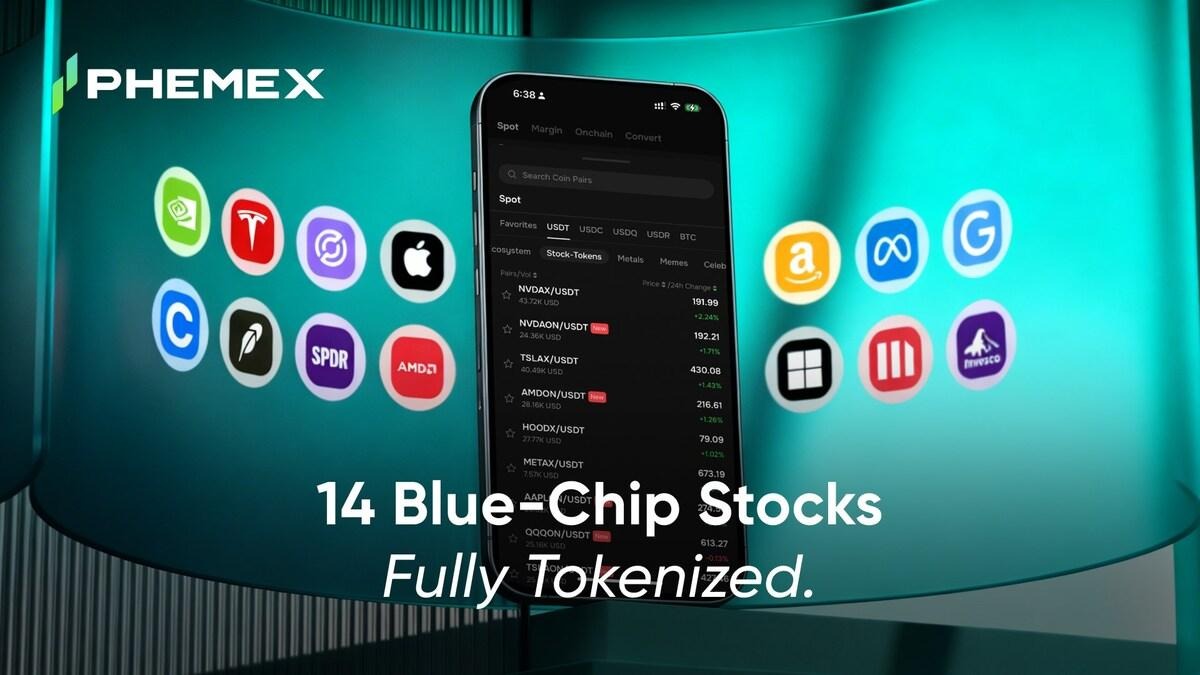
Phemex Completes Full Integration of Ondo Finance Tokenized Equity Suite

Unicity Labs Raises $3M to Scale Autonomous Agentic Marketplaces