- The GENIUS Act represents a comprehensive attempt to regulate stablecoins.
- FDIC’s proposals aim to bolster security and reduce regulatory burden.
- Stakeholders can now submit public comments on the proposed rules.
The FDIC Board has approved a proposed rulemaking notice for stablecoin issuance by subsidiaries, marking a significant move towards implementation of the GENIUS Act, according to FDIC legal counsel..
The proposed regulation could streamline the process for banks to issue stablecoins, impacting future financial systems by establishing a federal framework for these digital assets.
FDIC Advances Regulation on Stablecoin Issuances
The proposed rule hints at significant changes for entities looking to issue payment stablecoins. By setting application requirements, the FDIC seeks to ensure both robustness and compliance while preparing to unveil additional measures concerning capital, liquidity, and risk.
Though no specific institutions have reacted publicly, the potential influence on financial markets is significant. FDIC’s initiative paves a pathway for regulated stablecoin issuance, likely affecting market dynamics in the long run.
GENIUS Act and Its Impact on Stablecoin Market
The GENIUS Act, enacted in July 2025, emerges during a time when stablecoins have surged in usage, highlighting a need for regulatory clarity. This legislation aims to establish frameworks vital for future stability and security in digital payments.
The FDIC’s proposed rules signify a crucial shift toward regulatory oversight, impacting both existing and new market participants. Analysts note that while these regulations are a step forward, they may initially constrain rapid innovation as they require additional compliance layers.
Expert opinions suggest the FDIC’s efforts could lead to a more secure stablecoin market, fostering greater technological integration within traditional banking environments. Their approach underscores recognizing stablecoins’ potential role in modern financial infrastructure.
| DISCLAIMER: The information on this website is provided as general market commentary and does not constitute investment advice. We encourage you to do your own research before investing. |

No tags available.


Other Posts









- Amplify 2024: Ohio’s Premier Blockchain Summit
- Polymarket Announces U.S. Beta Relaunch Amid Market Buzz
- China, US Conclude Trade Talks with Focus on Cooperation
- Crypto Weekly: NYSE Backs OKX, Kraken Gets Fed Access, BTC Sells
- CELO holds as Celo reviews Opera 160M token claim
- Michael Saylor Denies Bitcoin Sell-Off Amid Large BTC Transfer
- Court Upholds Fed’s Rejection of Custodia Bank’s Request
- EU Opens Antitrust Probe Into Deutsche Boerse and Nasdaq Derivatives Dealings
- Kazakhstan Explores Crypto Reserves Backed by National Funds
- JPMorgan Increases Holdings in BlackRock’s Bitcoin ETF
- Nordea Bank Introduces Bitcoin ETP Trading for Nordic Customers
- XRP Spot ETF Launches on Nasdaq Amid Market Fluctuations
- JPMorgan Chase Launches 24/7 Digital Deposit Token for Clients
- Crypto Leaders Address Macro Volatility Amid Market Shifts
- Former CFO Convicted for $35M Fraudulent Crypto Investment
- Peter Schiff Challenges Michael Saylor on MSTR’s Business Model
- Thailand Orders Worldcoin to Delete 1.2 Million Biometric Records
- UK Proposes New DeFi Tax Framework to Ease User Burden
- U.S. Treasury Proposes New Tax Relief Regulations
- Uniswap’s UNIfication Proposal Gains Massive Preliminary Support
- Amplify 2024: Ohio’s Premier Blockchain Summit
- Polymarket Announces U.S. Beta Relaunch Amid Market Buzz
- China, US Conclude Trade Talks with Focus on Cooperation
- Crypto Weekly: NYSE Backs OKX, Kraken Gets Fed Access, BTC Sells
- CELO holds as Celo reviews Opera 160M token claim
- Michael Saylor Denies Bitcoin Sell-Off Amid Large BTC Transfer
- Court Upholds Fed’s Rejection of Custodia Bank’s Request
- EU Opens Antitrust Probe Into Deutsche Boerse and Nasdaq Derivatives Dealings
- Kazakhstan Explores Crypto Reserves Backed by National Funds
- JPMorgan Increases Holdings in BlackRock’s Bitcoin ETF
- Nordea Bank Introduces Bitcoin ETP Trading for Nordic Customers
- XRP Spot ETF Launches on Nasdaq Amid Market Fluctuations
- JPMorgan Chase Launches 24/7 Digital Deposit Token for Clients
- Crypto Leaders Address Macro Volatility Amid Market Shifts
- Former CFO Convicted for $35M Fraudulent Crypto Investment
- Peter Schiff Challenges Michael Saylor on MSTR’s Business Model
- Thailand Orders Worldcoin to Delete 1.2 Million Biometric Records
- UK Proposes New DeFi Tax Framework to Ease User Burden
- U.S. Treasury Proposes New Tax Relief Regulations
- Uniswap’s UNIfication Proposal Gains Massive Preliminary Support
- Amplify 2024: Ohio’s Premier Blockchain Summit
- Polymarket Announces U.S. Beta Relaunch Amid Market Buzz
- China, US Conclude Trade Talks with Focus on Cooperation
- Crypto Weekly: NYSE Backs OKX, Kraken Gets Fed Access, BTC Sells
- CELO holds as Celo reviews Opera 160M token claim
- Michael Saylor Denies Bitcoin Sell-Off Amid Large BTC Transfer
- Court Upholds Fed’s Rejection of Custodia Bank’s Request
- EU Opens Antitrust Probe Into Deutsche Boerse and Nasdaq Derivatives Dealings
- Kazakhstan Explores Crypto Reserves Backed by National Funds
- JPMorgan Increases Holdings in BlackRock’s Bitcoin ETF
- Nordea Bank Introduces Bitcoin ETP Trading for Nordic Customers
- XRP Spot ETF Launches on Nasdaq Amid Market Fluctuations
- JPMorgan Chase Launches 24/7 Digital Deposit Token for Clients
- Crypto Leaders Address Macro Volatility Amid Market Shifts
- Former CFO Convicted for $35M Fraudulent Crypto Investment
- Peter Schiff Challenges Michael Saylor on MSTR’s Business Model
- Thailand Orders Worldcoin to Delete 1.2 Million Biometric Records
- UK Proposes New DeFi Tax Framework to Ease User Burden
- U.S. Treasury Proposes New Tax Relief Regulations
- Uniswap’s UNIfication Proposal Gains Massive Preliminary Support
Latest

Crypto Stocks Edge Higher Premarket as Coinbase (COIN) Rises 0.78%

Crypto CEX Is Becoming a Historical Species as DEXs and ETFs Rise

Digital Asset Investment Products See $414M Outflow — First in Five Weeks








Press Release

BYDFi Marks 6th Anniversary with Month-Long Celebration, Built for Reliability
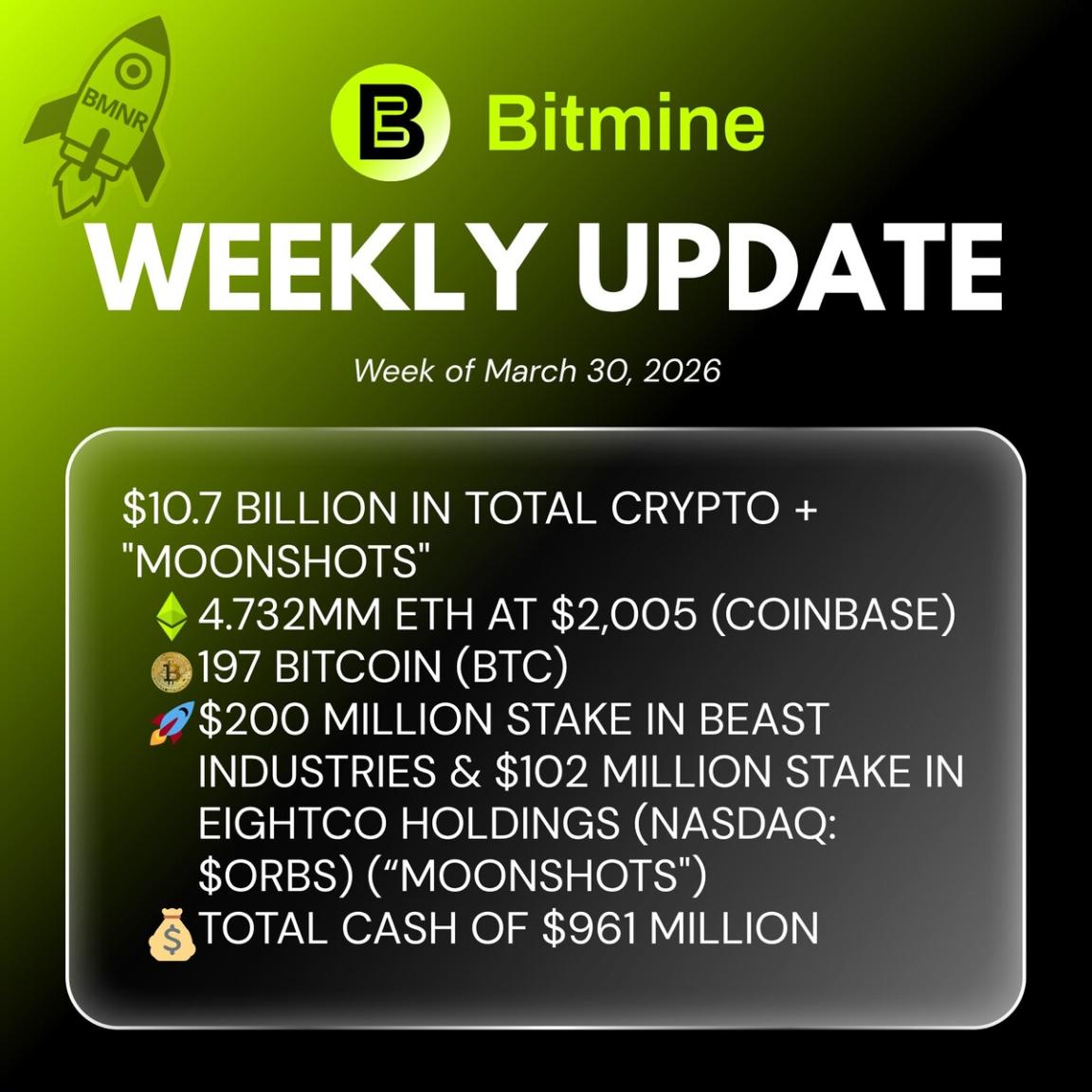
Bitmine Immersion Technologies (BMNR) Announces ETH Holdings Reach 4.732 Million Tokens, and Total Crypto and Total Cash Holdings of $10.7 Billion